Air ·
U.S. Air Force Expands Testing of Glider-Based Surveillance Drone
The U.S. Air Force is significantly increasing its operational testing of the ULTRA, a glider-like surveillance drone capable of extended flight durations, marking a strategic shift in aerial reconnaissance capabilities.
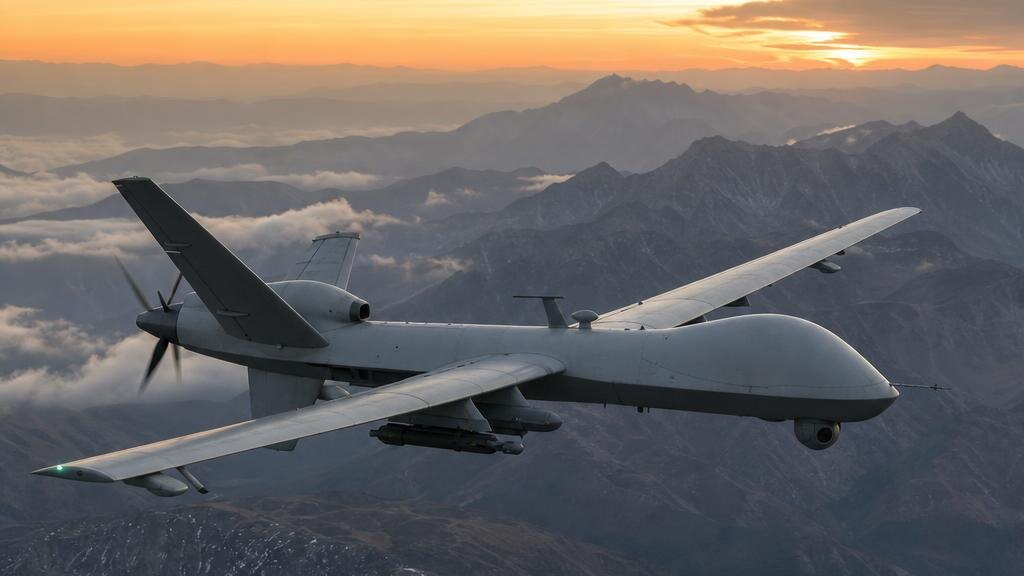
The U.S. Air Force has recently announced a substantial expansion in testing for its glider-based surveillance drone known as ULTRA, developed by DZYNE Technologies. The contract modification, valued at $46.1 million, raises the total investment in this program to approximately $85.6 million, indicating a strong commitment to advancing this innovative aerial platform. This initiative comes at a time when the military is seeking to enhance its reconnaissance capabilities through cost-effective and long-endurance unmanned systems.
ULTRA is designed to resemble a glider, which allows it to achieve remarkable endurance capabilities, reportedly staying aloft for over three days. This extended flight time is particularly advantageous for surveillance missions where persistent observation is critical. Unlike traditional drones that rely heavily on fuel-consuming engines, ULTRA's glider design allows for energy-efficient flight, making it suitable for long-duration missions that require minimal logistical support. The operational implications of this capability are profound, especially in scenarios where continuous intelligence, surveillance, and reconnaissance (ISR) is necessary.
The strategic significance of deploying such a drone cannot be overstated. As the U.S. military pivots towards a more distributed and sustainable operational approach, platforms like ULTRA could play a vital role in gathering intelligence over contested areas without the need for frequent resupply or maintenance. This is particularly relevant in regions where air superiority is challenged, as the ability to maintain a low-profile, long-duration surveillance presence could provide tactical advantages in monitoring enemy movements and activities. The ULTRA's capacity to remain airborne for extended periods could also reduce the risk of exposure to hostile fire, enhancing the safety of ISR missions.
Moreover, the ULTRA program aligns with the broader trends in military drone development, which increasingly emphasize the importance of endurance and low operational costs. By leveraging advancements in materials and aerodynamics, the Air Force aims to create a drone that can perform effectively in high-stakes environments while minimizing the risk to human operators. This approach reflects a growing recognition of the need for unmanned systems that can operate independently and effectively in complex operational theaters. The integration of advanced sensors and communication systems into the ULTRA platform could further enhance its ISR capabilities, allowing for real-time data transmission and analysis.
Despite the promising capabilities of the ULTRA, challenges remain. The integration of such a drone into existing military frameworks will require careful consideration of its operational limitations, including payload capacity and the types of sensors that can be feasibly integrated. There is also the question of how well this glider-based drone can perform in adverse weather conditions, which could affect its reliability and effectiveness in real-world scenarios. These factors will be critical in determining the ULTRA's operational viability in diverse environments. The Air Force will need to conduct rigorous testing to ensure that the drone can withstand various climatic challenges, such as high winds, rain, and extreme temperatures, which could impact its performance.
Furthermore, the expansion of testing indicates that the Air Force is still in the validation phase of ULTRA’s capabilities. It is essential to assess not only the drone's technical performance but also how it interacts with other ISR platforms and how it fits into the overall mission planning and execution processes. As these tests progress, data will be collected to refine operational tactics and ensure that the drone can be effectively utilized in conjunction with other systems. The iterative nature of this testing phase is crucial for identifying potential shortcomings and enhancing the drone’s overall effectiveness. Collaboration with allied forces during testing could also provide valuable insights into how ULTRA can be integrated into joint operations.
The successful deployment of ULTRA could also have implications for international military dynamics, particularly as other nations enhance their own drone capabilities. The U.S. military's focus on developing advanced, long-endurance UAVs positions it to maintain a technological edge in aerial surveillance, which may deter adversaries from engaging in aggressive maneuvers in contested zones. However, as drone technology proliferates worldwide, the U.S. must remain vigilant about counter-drone strategies and the potential for adversaries to develop similar or even superior capabilities. This competitive landscape underscores the importance of continuous innovation and adaptation in military technology, as well as the need for the U.S. to invest in countermeasures that can neutralize threats posed by enemy drones.
In addition to its operational applications, the ULTRA program may also influence defense policy and procurement strategies within the U.S. military. The emphasis on low-cost, high-endurance drones could prompt a reevaluation of resource allocation across various branches of the armed forces. As the demand for ISR capabilities grows, the Air Force's investment in platforms like ULTRA may set a precedent for future procurement decisions, potentially leading to a shift in how the military prioritizes unmanned systems in its overall strategy. The focus on cost-effective solutions may also encourage partnerships with private industry, fostering innovation in drone technology and enhancing the military's ability to respond to emerging threats.
In summary, the U.S. Air Force’s commitment to the ULTRA program represents a significant step forward in the evolution of aerial reconnaissance capabilities. As operational testing expands, the insights gained will be crucial for shaping future unmanned aerial strategies and ensuring that the U.S. military remains at the forefront of drone technology. The ongoing development and potential deployment of this glider-based drone could redefine surveillance operations, providing a powerful tool for maintaining situational awareness in both peacetime and conflict scenarios. The ULTRA program embodies the future of military reconnaissance, where endurance, efficiency, and adaptability are paramount in an increasingly complex global security environment.