Naval ·
Turkey Showcases Kamikaze Underwater Drones at Defense Exercises
Aselsan's Kiliç series of kamikaze underwater drones were prominently featured during Turkey's latest defense drills, highlighting advances in maritime unmanned systems technology.
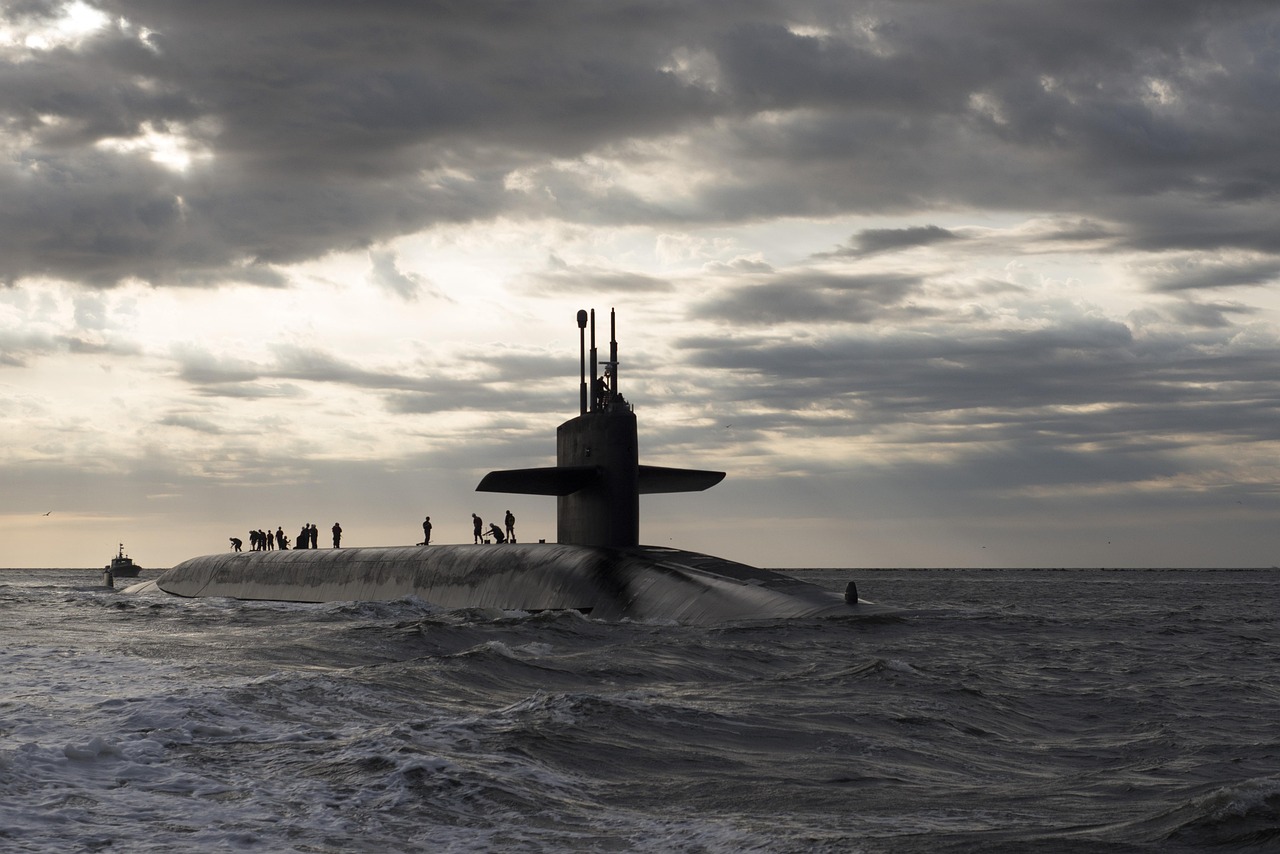
Aselsan, a leading Turkish defense company, recently showcased its Kiliç series of kamikaze Autonomous Underwater Vehicles (UAVs) during the Efes 2026 defense exercises. These drones are designed to target enemy vessels, providing the Turkish Navy with a significant tactical advantage in maritime operations. The introduction of such kamikaze drones underscores the growing trend of integrating advanced unmanned systems into naval warfare strategies, particularly in congested maritime environments like the Mediterranean.
The Kiliç drones are engineered to operate autonomously, allowing them to execute missions without direct human intervention. Capable of stealthy approaches, these underwater drones can infiltrate enemy defenses and deliver precise strikes on high-value maritime targets. The Turkish Ministry of Defense emphasized the strategic importance of enhancing naval capabilities through innovative technologies, particularly in light of the evolving security landscape in the region.
Turkey's investment in unmanned underwater systems is part of a larger national defense strategy aimed at bolstering its naval power. As global maritime tensions rise, the ability to deploy advanced drones like the Kiliç will likely play a crucial role in Turkey's operational readiness and deterrent capabilities. This aligns with broader trends in naval warfare, where unmanned systems are increasingly seen as essential components of modern fleets.
The Kiliç kamikaze drones not only enhance Turkey's offensive capabilities but also contribute to intelligence, surveillance, and reconnaissance (ISR) operations. By deploying these drones, the Turkish Navy can gather critical information about enemy movements and capabilities, improving situational awareness in contested maritime zones. As such technologies continue to evolve, they will likely reshape the dynamics of naval operations and engagements in the years to come.