Land ·
The U.S. Marine Corps Seeks Robots for Airfield Construction
The U.S. Marine Corps is exploring the use of unmanned systems to construct airfields in challenging environments, aiming for increased operational efficiency.
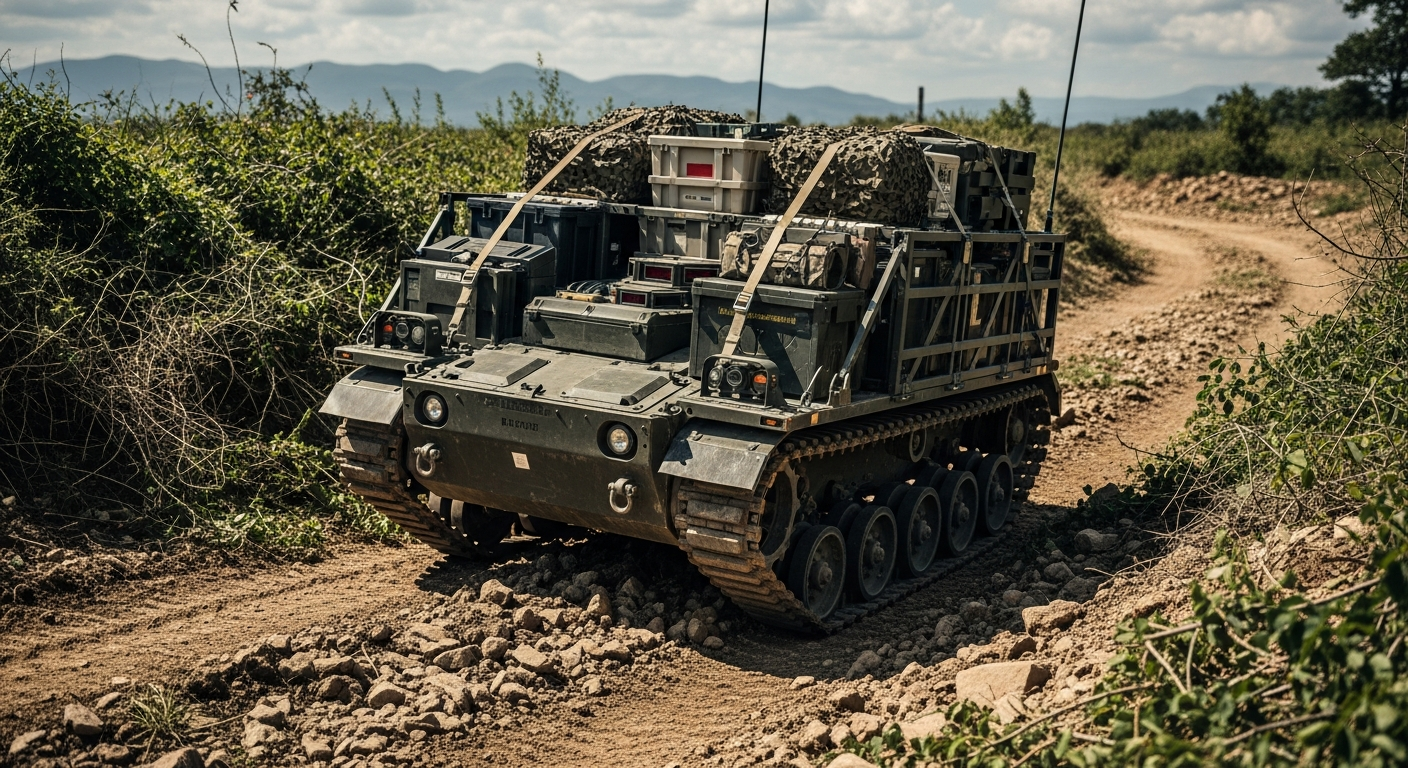
In a move that could revolutionize logistics and construction in military operations, the U.S. Marine Corps is actively seeking unmanned systems to assist in building airfields in austere environments. This initiative aims to reduce the time and manpower required for airfield construction, allowing Marines to focus on combat readiness and operational effectiveness. The use of robotic systems could significantly streamline processes and enhance the Marines' ability to deploy rapidly in various scenarios.
The challenge of constructing airfields in remote or hostile areas has long been a logistical hurdle for military operations. Traditional methods often require significant manpower and resources, leading to delays in deploying air support and other critical operations. By integrating unmanned systems into this process, the Marine Corps hopes to leverage cutting-edge technology to overcome these obstacles, ensuring that air support can be established quickly and efficiently wherever needed.
The potential for unmanned ground vehicles (UGVs) in this context is vast. These UGVs could be equipped with earth-moving tools and other construction technologies, enabling them to operate autonomously or under minimal human supervision. Such capabilities would not only expedite the construction process but also mitigate risks to personnel in dangerous environments, particularly during initial landings in hostile territories.
As the U.S. military increasingly embraces unmanned systems, this initiative reflects a broader trend towards automation and efficiency in defense operations. The exploration of UGVs for airfield construction is not just about improving logistics; it is also about evolving the very nature of military operations in the 21st century. By harnessing technology to enhance operational capabilities, the Marine Corps is setting a precedent for future military strategies that prioritize speed and adaptability.