Air ·
The Impact of Russian Drone Warfare on NATO's Eastern Flank
Recent incidents involving Russian drones striking civilian areas in Romania have raised alarms about NATO's defensive posture against aerial threats.
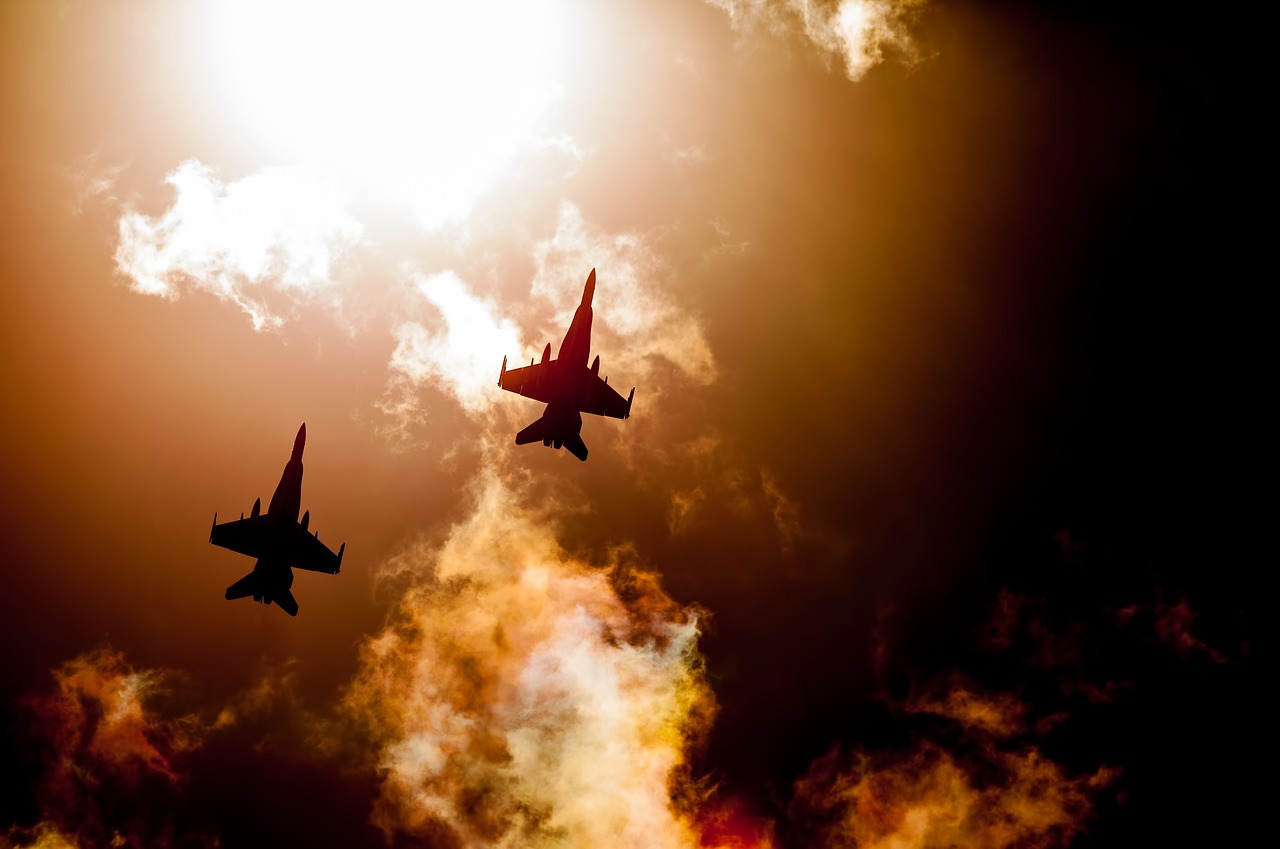
Recent drone strikes attributed to Russian forces have underscored the evolving nature of warfare and the pressing need for NATO to bolster its defenses along its eastern flank. A recent incident in Romania, where a Russian drone struck an apartment building, resulted in civilian injuries and raised significant concerns about the effectiveness of NATO's counter-drone capabilities. This situation highlights the urgent need for enhanced surveillance and defense mechanisms to protect allied territories from similar threats.
The use of drones in this conflict represents a tactical shift for Russia, demonstrating its capability to project power and instill fear beyond its borders. By utilizing drones to target civilian infrastructure, Russia is not only violating international norms but also testing NATO's resolve and response capabilities. As incidents like these become more frequent, NATO must reevaluate its existing defensive strategies to effectively counter aerial threats from adversaries.
In response to these threats, Romania has taken proactive measures, including deploying F-16 fighters and requesting additional allied anti-drone systems. This reflects a growing recognition among NATO members that the alliance must adapt to new warfare paradigms that include drone technology. The integration of advanced counter-drone systems and improved intelligence-sharing practices will be critical in addressing the evolving threats posed by unmanned aerial vehicles.
The implications of these developments extend beyond Romania, affecting NATO's collective security posture. Enhanced collaboration among member states in developing and deploying counter-drone technologies could serve as a deterrent against future aggression. As NATO continues to grapple with the realities of modern warfare, the alliance's commitment to protecting its members from aerial threats must remain steadfast, fostering a united front in the face of evolving challenges.