Air ·
The Future of Autonomous Wingmen: What to Expect by 2030
As the U.S. military explores Collaborative Combat Aircraft (CCA), industry experts warn that the designs of these autonomous wingmen may differ significantly from current expectations.
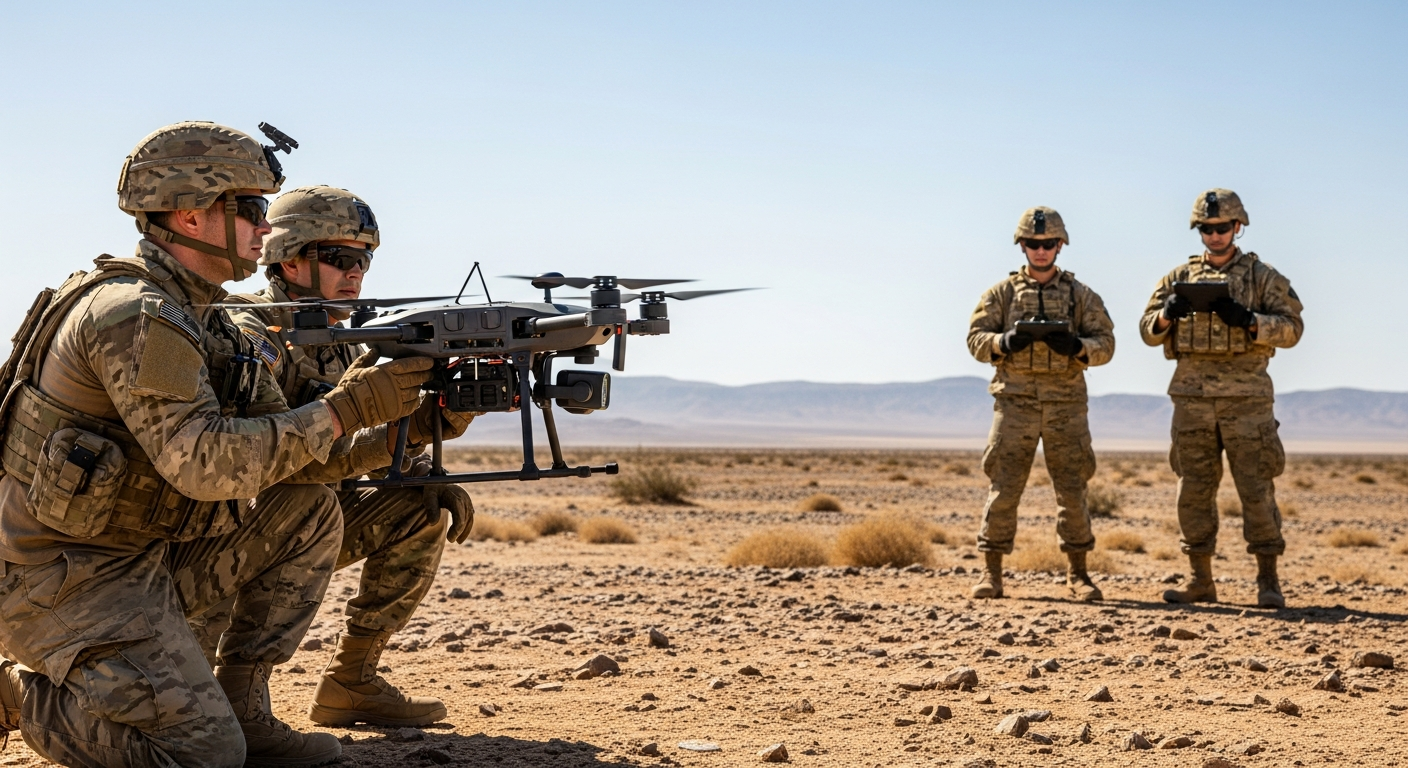
The U.S. military's pursuit of Collaborative Combat Aircraft (CCA) promises to reshape aerial combat through the integration of autonomous wingmen. These unmanned systems are envisioned to operate alongside manned aircraft, providing enhanced capabilities such as targeting, surveillance, and electronic warfare. However, experts from both the military and defense industry caution that the actual forms and functionalities of these systems may diverge drastically from current prototypes and assumptions.
Industry stakeholders are grappling with several challenges as they embark on the development of CCAs. Key among these is the need for robust artificial intelligence systems that can enable real-time decision-making in complex combat environments. This represents a significant technological hurdle, as current systems may not yet be capable of handling the intricacies of unpredictable aerial engagements, particularly in contested airspaces.
Moreover, the Pentagon's insistence on integrating CCAs into existing platforms raises questions about interoperability and operational effectiveness. The military's objective is to ensure that these autonomous wingmen can seamlessly communicate and coordinate with traditional manned aircraft like the F-35 and the upcoming Next Generation Air Dominance (NGAD) fighters. This requirement necessitates the development of advanced communication protocols and sensor technologies, which are still in the early stages of research and testing.
As the military continues to test teaming operations with CCAs, the timeline for full operational capability remains uncertain. Industry analysts emphasize that successful integration will depend not only on technological advancements but also on the Pentagon's ability to manage programmatic risks and funding challenges. The future landscape of aerial warfare may hinge on how well the military and industry can collaborate to overcome these obstacles and realize the potential of autonomous wingmen by 2030.