Naval ·
Swedish Navy Intercepts Suspected Russian Drone Near Aircraft Carrier
The Swedish Navy has successfully intercepted a suspected Russian drone that was approaching the French aircraft carrier Charles de Gaulle, highlighting the ongoing tensions in European waters.
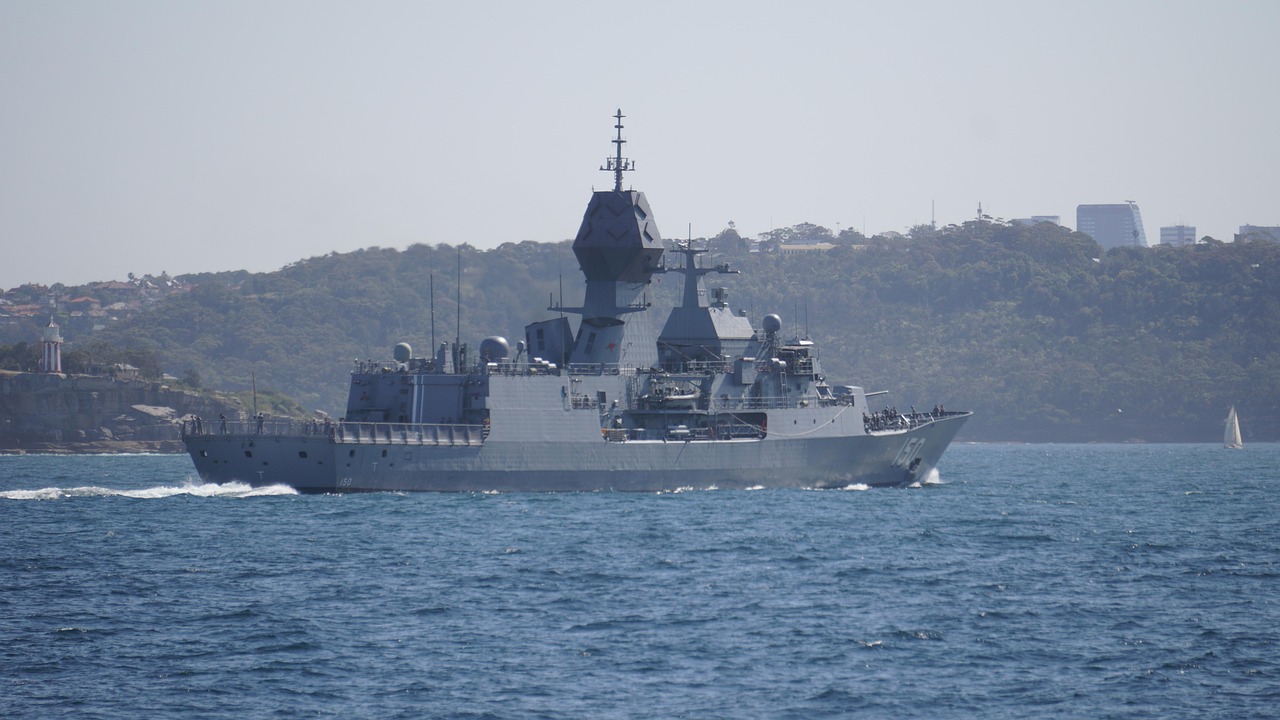
In a significant demonstration of maritime vigilance, the Swedish Navy intercepted a suspected Russian drone that was reportedly operating near the French aircraft carrier Charles de Gaulle. The incident underscores the heightened military activities in the Baltic Sea region, particularly amidst rising tensions between NATO forces and Russia.
Swedish defense officials believe the drone originated from a nearby Russian vessel, which raises concerns about the surveillance capabilities and intentions of Russian naval forces. The Baltic Sea has become a focal point for military maneuvers, and incidents such as these reflect the ongoing cat-and-mouse games between NATO and Russian military assets, as both sides seek to assert their dominance in the region.
The interception serves as a reminder of the vulnerability of naval assets to unmanned aerial vehicles (UAVs), which can easily be deployed for reconnaissance and intelligence-gathering missions. As military technology evolves, the use of drones in maritime operations is likely to increase, necessitating advanced countermeasures from naval forces to protect vital assets like aircraft carriers.
This incident could also lead to further diplomatic tensions, as the presence of Russian drones near NATO fleets may be interpreted as provocative. The Swedish Navy's quick response highlights the importance of readiness and situational awareness in contested maritime environments, where the line between surveillance and aggression can often become blurred.
As European nations continue to bolster their defense capabilities in response to perceived threats from Russia, incidents like this will likely prompt discussions on enhancing joint operational readiness and developing integrated air and naval defense systems. The need for collaborative efforts to address the evolving landscape of aerial threats will be paramount for NATO and its partners moving forward.