Air ·
South Korea Enhances Drone Defense with Anti-Aircraft Gun Strategy
In response to growing drone threats, South Korea is focusing on anti-aircraft guns to bolster its defense capabilities.
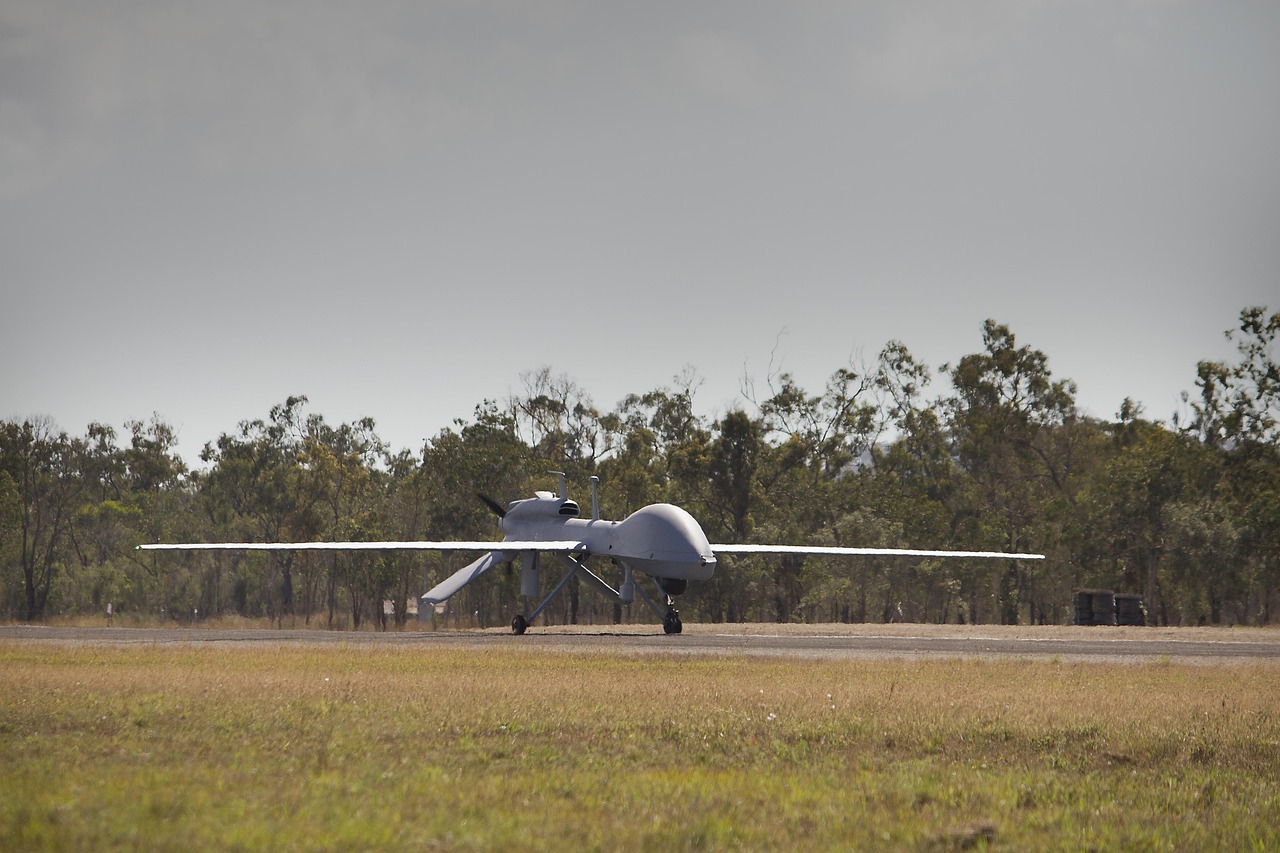
Amid the increasing frequency and sophistication of drone threats, South Korea is re-evaluating its air defense strategies by promoting the use of anti-aircraft guns. This shift indicates a recognition among military planners that traditional missile-based air defense systems may not be adequate to counter the rapid advances in drone technology and the tactics employed by adversaries. The South Korean defense community is now placing significant emphasis on integrating anti-aircraft artillery into its defense framework.
The resurgence of interest in anti-aircraft guns stems from recent conflicts where mass drone attacks have proven effective against conventional military forces. The ability of drones to swarm and saturate air defenses poses a unique challenge, and many defense analysts argue that a layered approach that includes both missiles and guns is necessary to effectively mitigate this threat. Anti-aircraft guns offer a rapid response capability against low-flying targets, which can be particularly useful in urban or densely populated environments.
Moreover, the South Korean military is likely to leverage its existing technological advancements in radar and fire control systems to enhance the effectiveness of these anti-aircraft guns. By integrating modern targeting systems and real-time data sharing, South Korea aims to create a more robust defense network that can quickly adapt to evolving threats. This approach not only improves the survivability of critical infrastructure but also enhances the overall resilience of the nation's air defense systems.
As tensions in the region continue to rise, the strategic importance of effective drone defense cannot be overstated. The move to bolster anti-aircraft capabilities reflects South Korea's commitment to maintaining a technological edge over potential adversaries. By incorporating anti-aircraft guns into its defense strategy, South Korea is taking proactive steps to safeguard its airspace against the growing threats posed by unmanned aerial vehicles (UAVs).
In conclusion, the emphasis on anti-aircraft guns represents a significant evolution in South Korea's defense posture. As drone technology continues to evolve, countries must adapt their defense strategies accordingly. South Korea's focus on integrating artillery into its air defense framework could serve as a model for other nations grappling with similar challenges in the face of modern aerial warfare.