Land ·
South Korea and Estonia Collaborate on Unmanned Ground Vehicle Project for Romania
A partnership between South Korea’s Hanwha Aerospace and Estonia’s Milrem Robotics aims to develop advanced unmanned ground vehicles for Romania.
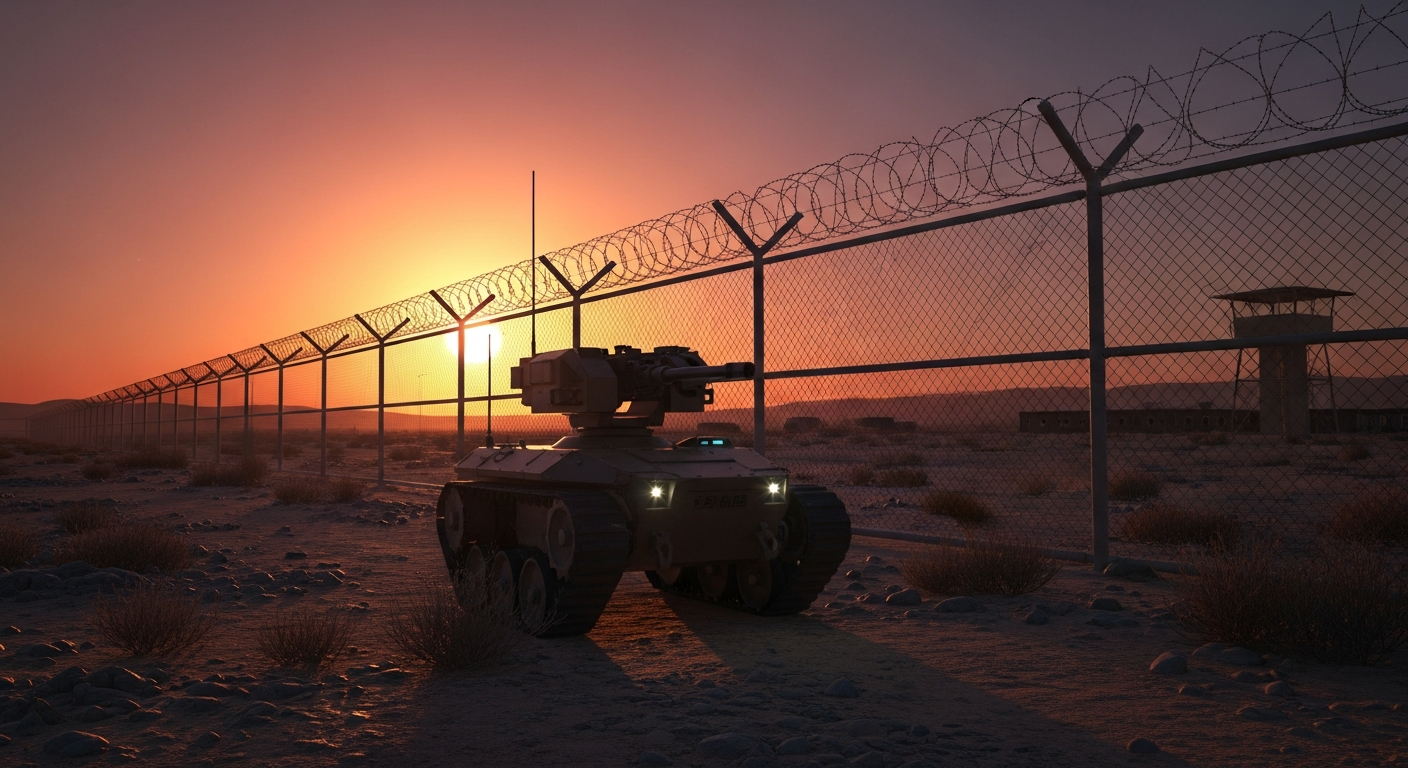
In a strategic collaboration that highlights the growing importance of unmanned ground vehicles (UGVs) in modern defense, South Korea's Hanwha Aerospace and Estonia's Milrem Robotics have signed a teaming agreement to pursue Romania’s unmanned ground vehicle program. This partnership was announced during the BSDA 2026 defense exhibition in Bucharest and aims to leverage the strengths of both companies to create advanced UGV solutions tailored for Romania's defense needs. The initiative reflects a broader trend in which nations are increasingly investing in robotics and autonomous systems to bolster their military capabilities.
Hanwha Aerospace brings a wealth of experience in developing wheeled unmanned platforms, while Milrem Robotics is recognized for its combat-proven UGVs that have been successfully deployed in various operations. By combining their expertise, the two companies aim to develop UGVs that can perform a range of missions, from reconnaissance and surveillance to logistics and combat support. This collaboration not only aims to enhance Romania's military capabilities but also strengthens defense ties between South Korea and Estonia.
The need for advanced UGVs has grown significantly in light of evolving military operations, where unmanned systems can provide critical support without putting personnel at risk. As countries like Romania seek to modernize their armed forces, partnerships that enable the development of innovative unmanned systems will be crucial. The introduction of versatile UGVs will allow for greater operational flexibility and improved efficiency in military logistics and battlefield operations.
This agreement also reflects the increasing recognition of the role that unmanned systems play in NATO operations and defense strategies. With Romania's strategic position in Eastern Europe, enhancing its military capabilities through UGVs aligns with NATO’s objectives of strengthening collective defense and deterrence against potential threats. The collaboration between Hanwha Aerospace and Milrem Robotics is a significant step toward achieving these goals.
In conclusion, the partnership between South Korea and Estonia to develop unmanned ground vehicles for Romania represents a forward-thinking approach to modern military needs. As the demand for unmanned systems continues to grow, such collaborations will be key in advancing defense capabilities across Europe and beyond.