Air ·
Russia's Intelligence Support to Iran: Implications for Drone Warfare
Ukrainian intelligence reports suggest Russia is providing Iran with cyber and surveillance support, enhancing its military capabilities against U.S. forces.
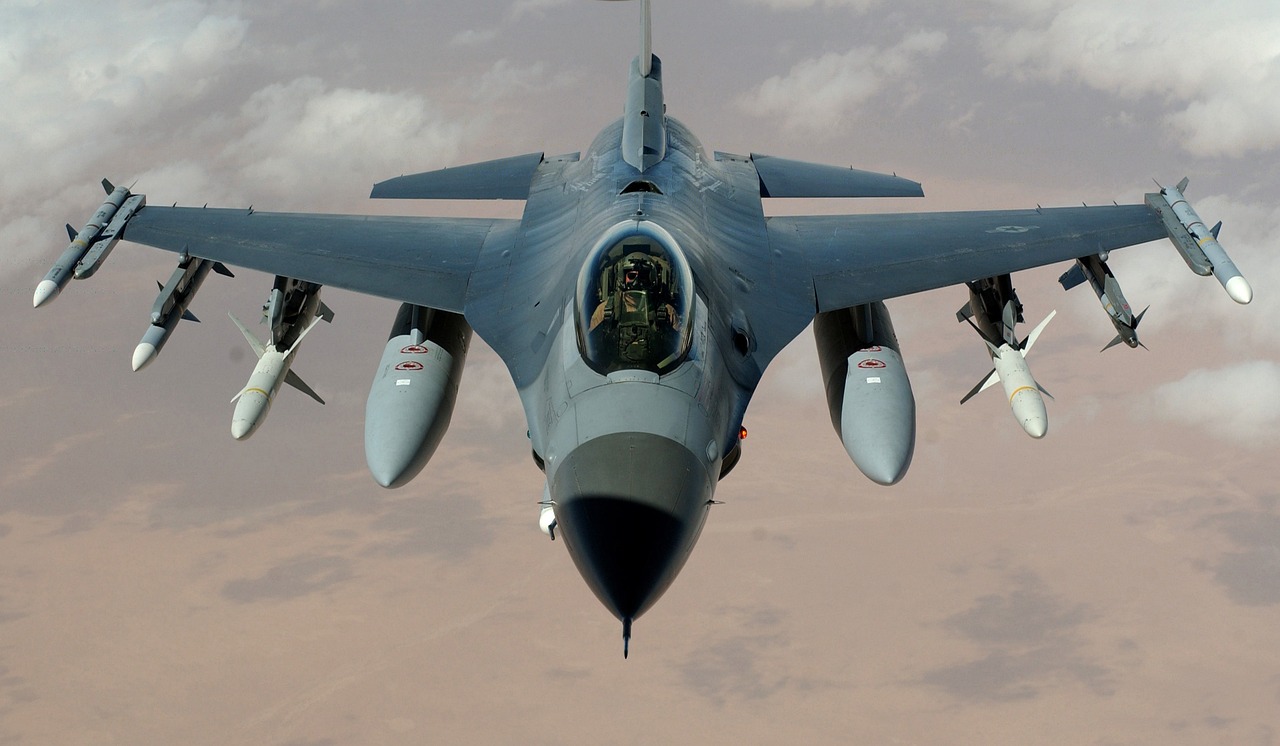
Recent intelligence assessments from Ukraine have indicated that Russia is supplying Iran with crucial cyber support and detailed satellite imagery to bolster its military operations, particularly against U.S. forces in the region. This partnership highlights the growing collaboration between Russia and Iran, which has significant implications for the use of unmanned systems in military conflict. The provision of sophisticated surveillance capabilities enables Iran to refine its targeting processes and improve the efficacy of its strikes.
The use of satellite imagery allows Iran to gather real-time intelligence on U.S. military facilities, enhancing its operational planning and execution. This information can be used in concert with drone operations, where precision targeting is essential. The integration of such intelligence into drone warfare strategies can lead to more effective strikes, increasing the operational risks for U.S. forces stationed in the Middle East.
Moreover, the technological exchange between Russia and Iran raises concerns about the proliferation of advanced unmanned systems and related technologies. As Iran continues to develop its drone capabilities, the support from Russia could accelerate its advancements, allowing for more sophisticated drone designs and operational tactics. This could lead to a shift in the balance of power in the region, with Iran potentially becoming a more formidable adversary.
The implications for U.S. military strategy are profound. As Iran enhances its drone and cyber capabilities, the U.S. may need to reassess its approach to countering these threats. This could involve increased investment in counter-drone technologies, enhanced intelligence-gathering operations, and a reevaluation of its force posture in the region to mitigate the risks posed by Iranian unmanned systems.
As the nature of warfare evolves with the integration of unmanned systems and cyber capabilities, nations must consider the interconnectedness of these domains. The collaboration between Russia and Iran serves as a case study for how adversarial alliances can leverage technology to achieve military objectives, and it underscores the need for comprehensive strategies to address emerging threats in the 21st century.