Air ·
Russia Deploys Decoy Tactics to Mitigate Ukrainian Drone Strikes
Russian forces have employed decoy tactics to counter the increasing drone strikes from Ukraine, showcasing the adaptive nature of modern warfare.
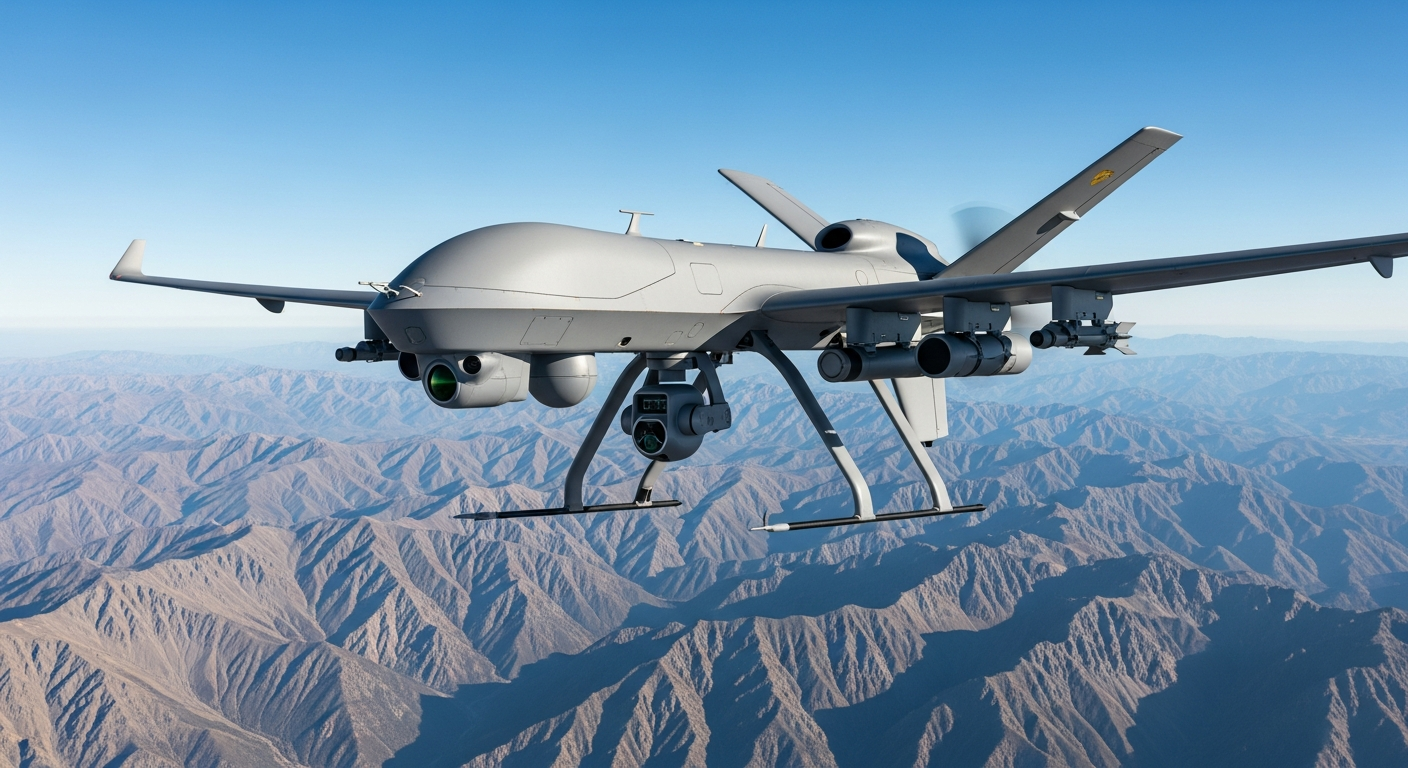
In response to the relentless drone strikes from Ukrainian forces, Russian troops have increasingly resorted to using decoy tactics, sacrificing fake air defense systems to protect real assets. This strategy has emerged as a countermeasure against the effectiveness of drone strikes that Ukrainian forces have utilized throughout the ongoing conflict. The use of decoys highlights the evolving nature of warfare, where technology and tactics continuously adapt to counter emerging threats.
The deployment of decoy systems is a testament to the challenges posed by modern unmanned aerial vehicles (UAVs). Ukrainian drone strikes have gained notoriety for their precision and effectiveness, prompting Russian forces to develop innovative ways to protect their critical infrastructure and military assets. By creating realistic decoys, Russian troops aim to mislead Ukrainian UAV operators and divert their strikes away from genuine targets.
This tactic reflects a broader trend in military strategy where both sides are continuously seeking advantages through technological innovations and adaptive tactics. As drone technology becomes more accessible, the ability to employ countermeasures like decoys will become increasingly important. This situation emphasizes the necessity for both sides to invest in advanced detection and engagement systems to counteract the evolving threats presented by unmanned systems.
Ultimately, the ongoing conflict between Russia and Ukraine illustrates how unmanned systems are reshaping traditional military strategies. The effectiveness of drone strikes and countermeasures like decoy tactics signify a shift towards a new paradigm in warfare, where adaptability and technological prowess play crucial roles in determining the outcome of engagements.