Naval ·
Royal Navy to Enhance Capabilities with Kraken's Uncrewed Surface Vessels
The Royal Navy has awarded Kraken Technology Group a contract for 20 uncrewed surface vessels as part of its transition to a hybrid fleet under Project Beehive.
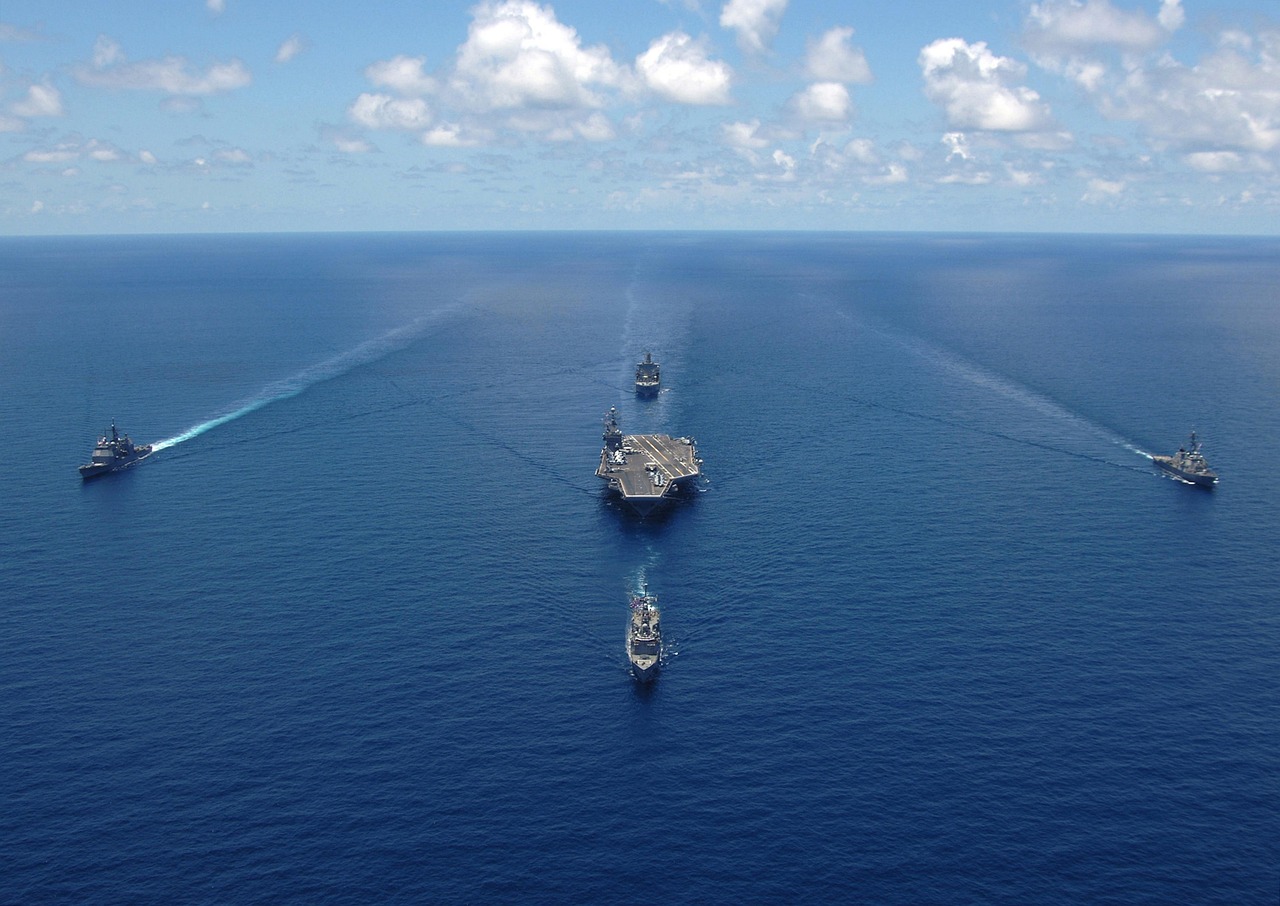
In a significant move to modernize its naval operations, the Royal Navy has contracted Kraken Technology Group to deliver 20 uncrewed surface vessels (USVs) under the ambitious Project Beehive. This initiative is part of a broader strategy to integrate unmanned systems into the Royal Navy’s fleet, enhancing its capabilities in various maritime missions. The £12.3 million contract reflects the UK's commitment to leveraging innovative technologies to ensure maritime security and operational effectiveness.
The inclusion of USVs is aimed at providing the Royal Navy with versatile platforms that can perform a range of tasks, including surveillance, reconnaissance, and logistical support. By transitioning to a hybrid fleet that incorporates both manned and unmanned vessels, the Royal Navy seeks to optimize its operational capabilities and adapt to the evolving nature of maritime threats. This shift is particularly critical in the context of increasing geopolitical tensions and the need for a responsive naval force.
Kraken's uncrewed surface vessels are expected to enhance the Navy's situational awareness and operational reach while minimizing risks to personnel in hostile environments. The integration of USVs allows for more flexible and efficient operations, especially in areas where traditional manned vessels may face challenges. This technological advancement is part of a global trend where naval forces are increasingly adopting unmanned systems to augment their capabilities.
As part of the contract, Kraken will provide vessels equipped with advanced sensors and systems designed for maritime operations. These USVs will contribute to the Royal Navy's ongoing efforts to maintain a competitive edge in maritime warfare. The project aligns with the broader defense strategy to ensure that the Royal Navy remains capable of responding to diverse threats in an increasingly complex maritime landscape.
The successful deployment of these uncrewed vessels will not only enhance the Royal Navy's operational readiness but also set a precedent for future investments in unmanned systems across global naval forces. As technological advancements continue to shape the future of warfare, the Royal Navy's efforts to integrate USVs represent a proactive approach to ensuring maritime security.