Air ·
Robot Scouts Enhance British Army Targeting Efficiency in Kenya
The integration of uncrewed ground vehicles into British military operations in Kenya marks a significant leap in targeting efficiency, leveraging AI technology to streamline combat communications.
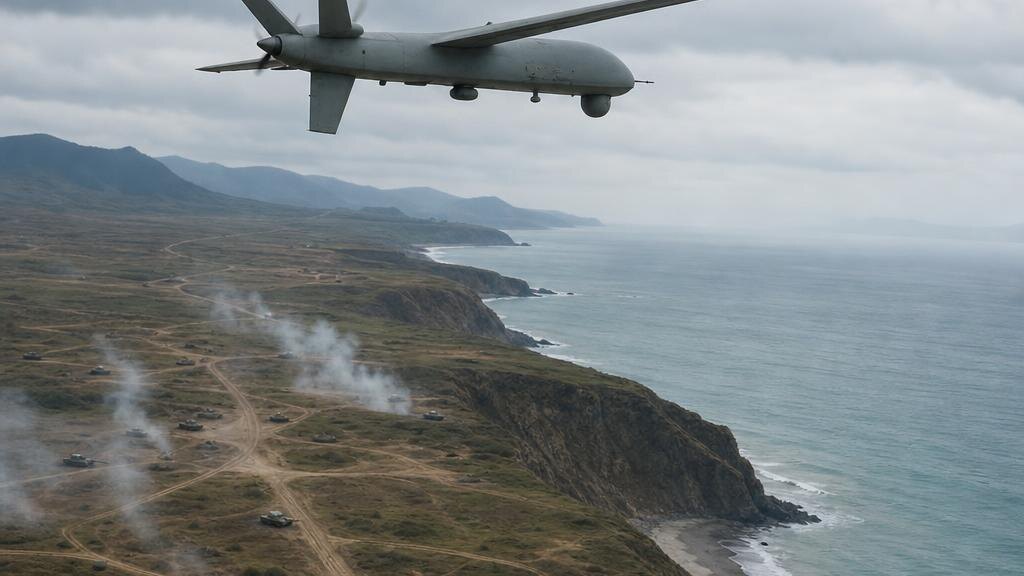
In a recent operational development, the British Army has successfully deployed robot scouts in Kenya, which have proven capable of identifying targets and relaying information directly into the army's AI-enabled targeting network. This innovative technology, developed by ARX Robotics, reportedly reduces the time taken from target detection to strike by a factor of ten, showcasing a significant advancement in military efficiency and responsiveness in combat scenarios.
The robot vehicles, classified as uncrewed ground vehicles (UGVs), are designed to operate in diverse terrains while providing soldiers with real-time intelligence. By integrating these UGVs into the existing targeting framework, the British Army is not only enhancing its operational capabilities but also setting a precedent for future military engagements where speed and accuracy are paramount. This initiative aligns with broader trends in military modernization, where automation and AI play increasingly central roles. As armed forces worldwide seek to adapt to the changing nature of warfare, the British Army's adoption of UGVs highlights a proactive approach to integrating technology into military doctrine.
Technologically, the UGVs are equipped with advanced sensors and communication systems that allow them to identify potential threats and relay this information back to command units almost instantaneously. This capability is particularly crucial in environments like Kenya, where British forces are engaged in training operations and counter-terrorism efforts. The ability to quickly identify and assess threats can significantly alter the dynamics of engagement, potentially leading to reduced collateral damage and increased mission success rates. Furthermore, the use of UGVs can enhance the safety of personnel by allowing remote reconnaissance in high-risk areas, thereby minimizing exposure to potential ambushes or hostile fire.
The strategic significance of this development cannot be overstated. The integration of UGVs into operational theaters reflects a growing recognition of the importance of unmanned systems in modern warfare. As military engagements become more complex, with adversaries employing asymmetric warfare tactics, the ability to leverage technology for rapid decision-making becomes vital. The British Army's move to incorporate these robotic scouts may serve as a model for other nations looking to enhance their military capabilities through similar innovations. This shift not only enhances individual mission capabilities but also contributes to a broader strategic framework that prioritizes technological superiority in defense operations.
However, the deployment of UGVs also raises several important considerations. First, there are ongoing debates regarding the ethical implications of using autonomous systems in combat. The prospect of machines making life-and-death decisions, even with human oversight, invites scrutiny and calls for robust ethical frameworks to govern their use. Moreover, the integration of advanced technology may also expose vulnerabilities, such as susceptibility to hacking or countermeasures employed by adversaries. Discussions surrounding the ethical use of AI in military contexts are increasingly relevant, as nations grapple with the implications of delegating critical decisions to machines.
Another aspect to consider is the training and adaptation required for personnel to effectively utilize these new systems. While the technology offers significant advantages, it also necessitates a shift in how soldiers operate on the battlefield. Comprehensive training programs will be essential to ensure that troops can fully leverage the capabilities of UGVs while maintaining situational awareness and operational effectiveness. This transition may involve not only technical training but also a cultural shift within military ranks, as personnel learn to work alongside robotic systems in a collaborative manner.
As the British Army continues to refine its approach to integrating UGVs into its operations, important questions remain. How will these systems evolve in response to emerging threats? What additional capabilities might be required to enhance their effectiveness on the battlefield? Furthermore, how will the British Army balance the advantages of automation with the need for human judgment in complex combat scenarios? These questions highlight the necessity for ongoing research and development to ensure that UGVs can adapt to the rapidly changing landscape of warfare.
The operational deployment of UGVs in Kenya is not merely a technological upgrade; it represents a paradigm shift in how military forces perceive and engage with the battlefield. The ability to deploy robotic scouts allows for a more distributed operational approach, where information can be gathered from multiple sources simultaneously, thereby enhancing situational awareness. This is particularly relevant in counter-terrorism operations, where understanding the local environment and potential threats is crucial for mission success. The integration of UGVs can also facilitate more effective coordination among various units, as real-time data can be shared across platforms, leading to more synchronized operations.
Moreover, the integration of AI into the targeting process not only improves speed but also enhances accuracy. AI algorithms can analyze vast amounts of data from various sensors and sources, identifying patterns that may not be immediately apparent to human operators. This can lead to more informed decision-making, reducing the likelihood of errors in high-stakes situations. However, reliance on AI also necessitates a robust framework for oversight, ensuring that human operators remain in control of critical decisions. The challenge lies in developing systems that complement human intuition and experience rather than replace them, fostering a collaborative environment where technology enhances human capabilities.
Finally, as the British Army explores the full potential of UGVs, it must also consider the implications for international military cooperation. The use of such advanced technologies may influence joint operations with allied forces, necessitating compatibility and interoperability standards. As other nations invest in similar technologies, the British Army's experience with UGVs could provide valuable lessons in both operational effectiveness and ethical considerations, shaping future collaborative military efforts. The global landscape of defense technology is rapidly evolving, and the British Army's proactive stance on integrating UGVs may position it as a leader in setting standards for the responsible and effective use of autonomous systems in military operations.