Air ·
Robinson Helicopter Launches Unmanned Division for Future Helo Drones
Robinson Helicopter Company has established an unmanned division, aiming to develop next-generation helicopter drones following its acquisition of Ascent Aerosystems.
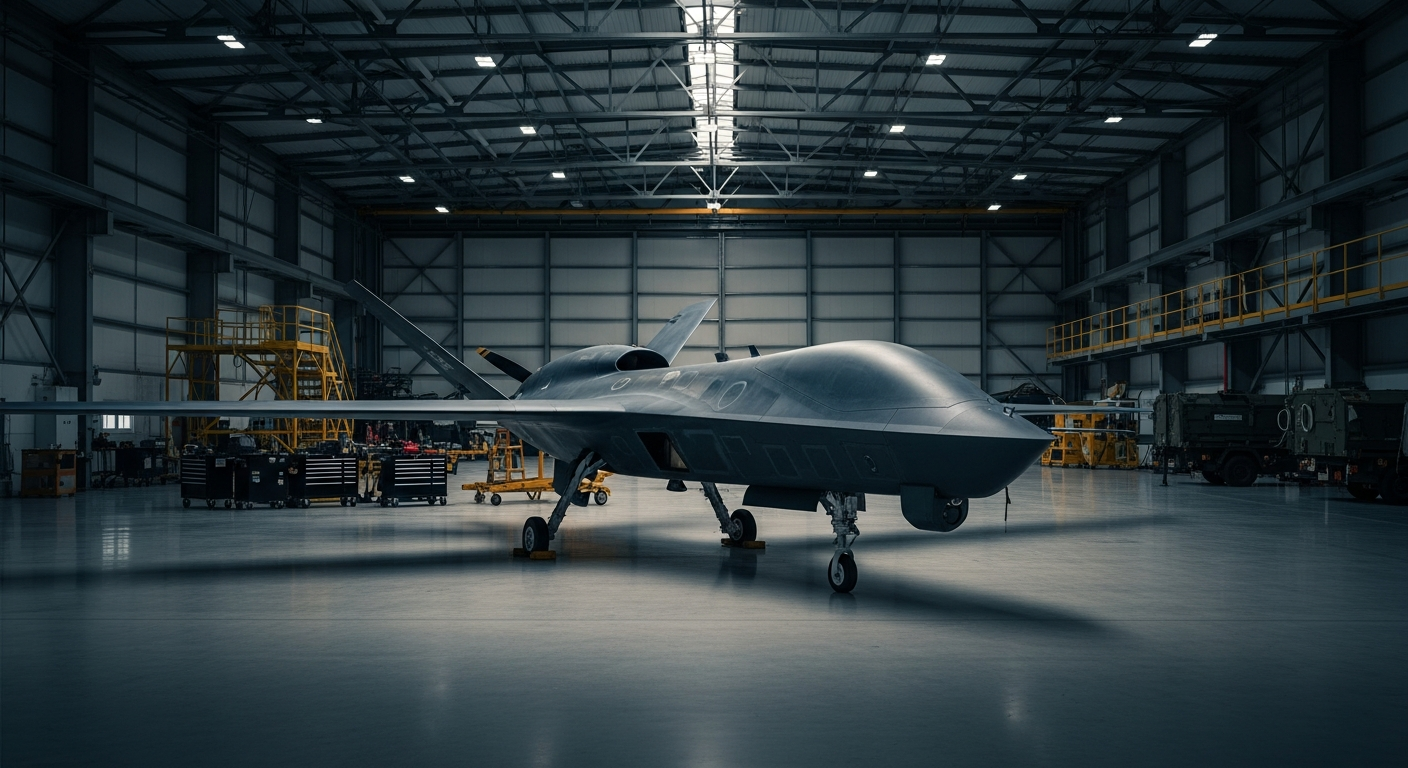
Robinson Helicopter Company, a prominent player in the aviation industry, has announced the launch of a dedicated unmanned division that seeks to innovate in the realm of helicopter drones. This strategic move follows the company's acquisition of Ascent Aerosystems, known for their small drone systems that are currently involved in Department of Defense (DoD) competitions. By absorbing Ascent, Robinson aims to leverage its expertise in manufacturing and design to develop next-generation aerial unmanned vehicles that can serve various military and civilian applications.
The introduction of unmanned helicopter technology aligns with the growing demand for more versatile and capable aerial systems in military operations. Unmanned aerial vehicles (UAVs), particularly those designed for rotary-wing flight, offer unique advantages such as vertical takeoff and landing capabilities, which are crucial for operations in confined environments. As the defense landscape evolves, the integration of UAVs into traditional rotary-wing roles could significantly enhance operational flexibility and effectiveness for military forces worldwide.
Robinson's move is also indicative of a broader trend within the defense industry, where established companies are increasingly investing in unmanned systems. As military operations become more complex, the need for unmanned platforms that can conduct reconnaissance, surveillance, and even combat operations has become paramount. The potential for helicopter drones to conduct missions in high-risk areas without putting pilots in harm's way is a significant driving factor behind this technological shift.
Moreover, the partnership with Ascent Aerosystems could provide Robinson with a competitive edge in the rapidly evolving UAV market. As defense budgets prioritize modernization and the integration of advanced technologies, Robinson's entry into the unmanned sector may position the company favorably against competitors who are also seeking to innovate. The collaboration could lead to the development of versatile payloads and enhanced operational capabilities, appealing to both military and commercial clients.
As Robinson Helicopter embarks on this new journey, the implications for the future of unmanned aerial systems are profound. The potential applications for these next-generation helo drones span from military reconnaissance to commercial delivery services, showcasing the versatility and adaptability of unmanned technologies. The success of this venture could redefine the role of rotary-wing drones in both military and civilian contexts, paving the way for advancements in aerial operations that were previously unimaginable.