Naval ·
RIMPAC 2026 Showcases Naval Exercises with Unmanned Systems
The Rim of the Pacific (RIMPAC) 2026 exercise highlights the integration of unmanned systems alongside traditional naval forces in a major multinational maritime exercise.
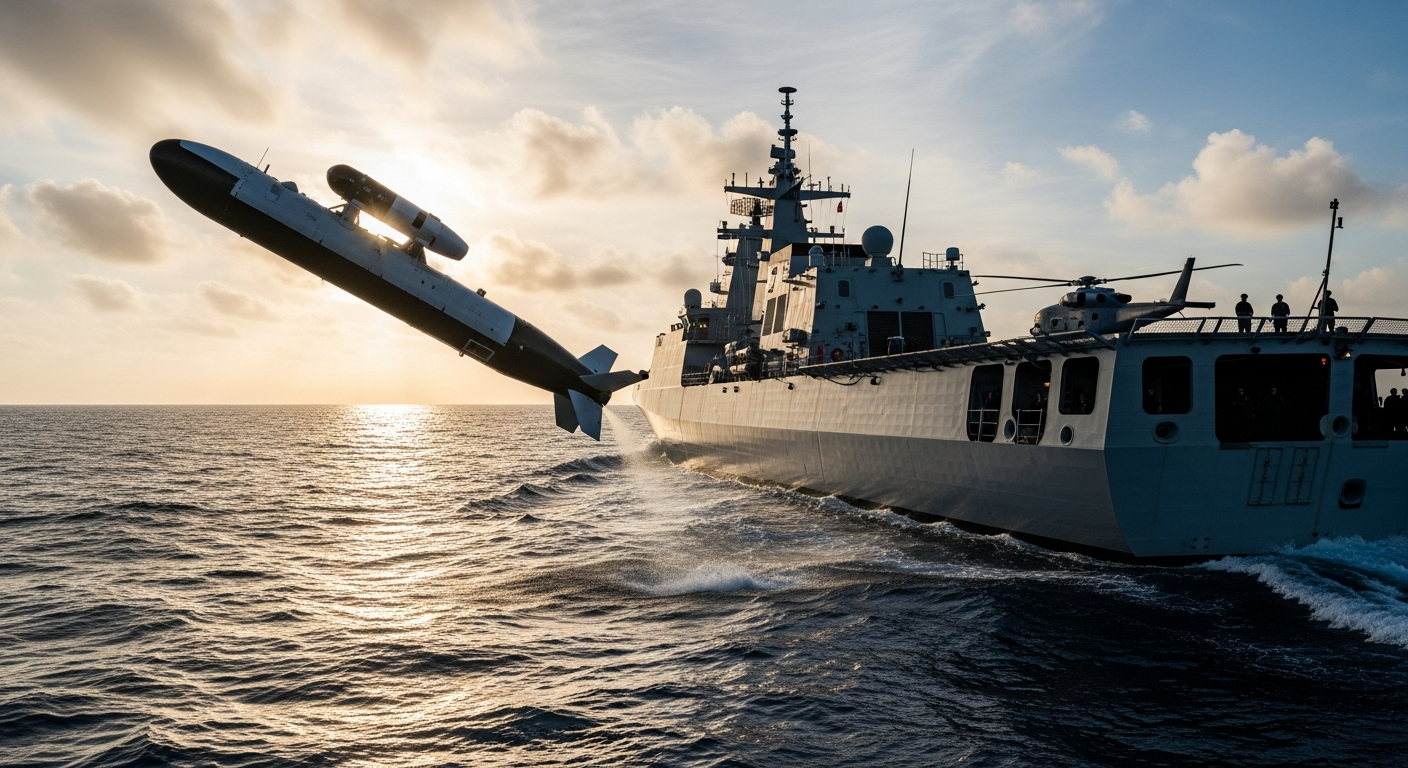
The Rim of the Pacific (RIMPAC) 2026 exercise has officially commenced, bringing together naval forces from various countries to enhance maritime security and interoperability in the Indo-Pacific region. This year's exercises prominently feature the integration of unmanned systems alongside traditional naval assets, reflecting the growing importance of drones and other unmanned technologies in modern naval warfare. With 31 surface ships, five submarines, and nearly 200 aircraft participating, RIMPAC 2026 is set to demonstrate the capabilities of unmanned systems in a variety of operational scenarios.
Unmanned aerial vehicles (UAVs), unmanned underwater vehicles (UUVs), and unmanned surface vessels (USVs) are expected to play vital roles in reconnaissance, surveillance, and combat operations throughout the exercises. These platforms will enhance situational awareness for commanders and enable more effective decision-making in complex maritime environments. The integration of unmanned systems into joint operations will also provide a valuable opportunity for participating nations to share best practices and learn from each other's experiences.
As the maritime domain becomes increasingly contested, the ability to deploy unmanned systems will be crucial for maintaining a strategic advantage. The RIMPAC exercises will showcase how these technologies can be leveraged to enhance fleet capabilities, including intelligence gathering, target acquisition, and force protection. This emphasis on unmanned systems aligns with the global trend towards modernization and adaptation in naval warfare strategies.
Moreover, the involvement of multiple nations in RIMPAC 2026 underscores the importance of international cooperation in addressing shared security challenges. The exercises offer a platform for allies to strengthen relationships and build trust, which is essential for effective collaboration in real-world operations. As nations work together to navigate the complexities of modern maritime security, the integration of unmanned systems will undoubtedly play a pivotal role in shaping future naval engagements.
In conclusion, RIMPAC 2026 serves as a testament to the evolving landscape of naval warfare, where unmanned systems are becoming integral components of maritime operations. As the exercises unfold, they will provide valuable insights into the future of naval strategy and the role of technology in enhancing collective security in the Indo-Pacific.