Land ·
Reprogramming Robots in the Mud: The U.S. Army's New Training for Robotic Technicians
The U.S. Army Special Operations Command is enhancing its capabilities by training soldiers to adapt and reprogram robotic systems to meet mission-specific needs, ensuring greater flexibility and effectiveness in complex environments.
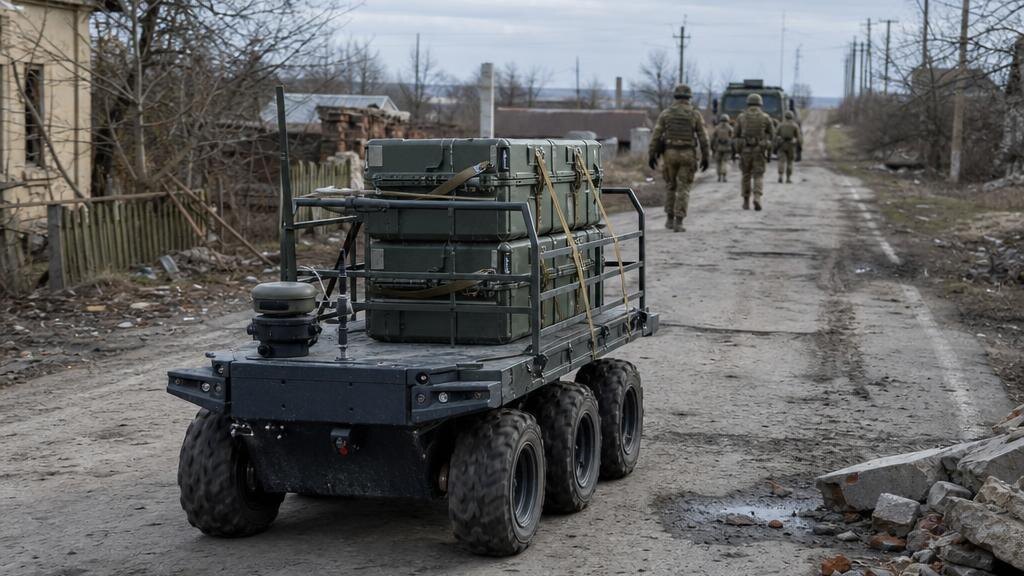
In a notable development within the realm of unmanned systems, the U.S. Army Special Operations Command is actively training new technicians to adapt robotic systems to diverse mission requirements. This initiative, spearheaded by Maj. Gen. Jason Slider, commander of the John F. Kennedy Special Warfare Center and School, focuses on preparing soldiers to modify robotic kits in real-time, allowing them to respond effectively to varying enemy tactics and terrain conditions. This adaptive training approach is crucial as it aligns with the Army's broader strategy to integrate advanced technology into its operational framework, particularly as the nature of warfare continues to evolve.
The training program emphasizes hands-on experience, with soldiers learning to reprogram and repurpose existing robotic systems for specific missions. This includes modifying software and hardware configurations to optimize performance based on situational demands. The ability to adapt robotic systems on the fly not only enhances mission success rates but also provides a tactical advantage against adversaries who may not expect such flexibility from ground units. The emphasis on real-time adaptability is particularly relevant in environments where conditions can change rapidly, necessitating a swift response from military personnel.
Technological advancements in unmanned ground vehicles (UGVs) have reached a point where they can significantly augment traditional combat operations. The U.S. Army's investment in training technicians to reprogram these systems reflects a recognition of the increasing importance of robotics in modern warfare. As conflicts become more asymmetric, the ability to tailor robotic systems to unique environments and challenges is essential. This approach not only improves operational efficiency but also allows for a more dynamic response to threats. The integration of UGVs into operational tactics can help to mitigate risks to personnel, as these systems can be deployed in high-risk scenarios where human soldiers might otherwise be exposed to danger.
However, the implementation of this training program is not without its challenges. One of the primary concerns is ensuring that soldiers possess the necessary technical skills to effectively modify robotic systems. As technology advances rapidly, continuous training and education will be required to keep pace with new developments in robotic systems. Moreover, the Army must address potential resistance from personnel who may be hesitant to embrace new technologies or methods of operation. This cultural shift within the military ranks necessitates not only technical training but also a change in mindset, fostering an environment where innovation is encouraged and valued.
The strategic significance of this initiative cannot be overstated. By empowering soldiers with the skills to adapt robotic systems, the Army is fostering a culture of innovation and adaptability within its ranks. This shift is particularly vital as potential adversaries increasingly leverage unmanned systems in their military strategies. The U.S. Army's focus on enhancing its capabilities through reprogrammable robotics positions it to maintain a competitive edge on the battlefield. As adversaries continue to develop their own unmanned technologies, the Army's proactive approach to training ensures that it remains at the forefront of military innovation.
Additionally, the integration of UGVs into operational tactics can help to mitigate risks to personnel. For instance, deploying robotic systems for reconnaissance or explosive ordnance disposal reduces the likelihood of soldier casualties in high-risk situations. The Army's investment in training robotic technicians is a proactive measure to ensure that soldiers can leverage these technologies effectively, ultimately leading to safer and more successful missions. By utilizing UGVs for tasks that are inherently dangerous, the Army not only preserves the lives of its personnel but also enhances the overall effectiveness of its operations.
As this training program develops, several questions remain unanswered. How will the Army evaluate the effectiveness of these newly trained technicians in real-world scenarios? What specific metrics will be used to assess the impact of adaptive robotics on mission outcomes? Furthermore, as the Army continues to evolve its approach to unmanned systems, what additional training programs might be necessary to keep pace with technological advancements? The establishment of clear evaluation criteria will be essential in determining the success of this initiative and ensuring that it meets the operational needs of the Army.
In conclusion, the U.S. Army's initiative to train soldiers in reprogramming robotic systems marks a significant step forward in the integration of unmanned technologies into military operations. By equipping personnel with the skills to adapt to changing conditions, the Army is not only enhancing its operational capabilities but also preparing for the future of warfare where flexibility and innovation are paramount. The success of this program will hinge on ongoing training, evaluation, and a commitment to embracing technological change within the ranks of the Army Special Operations Command. As the landscape of warfare continues to evolve, the ability to rapidly adapt and innovate will be crucial in maintaining operational superiority.