Land ·
Poland's Military Electronics Plant Upgrade: A Strategic Move Towards Counter-Drone Capabilities
Poland is upgrading its military electronics plant as part of a broader initiative to enhance its counter-drone capabilities, reflecting the growing importance of unmanned systems in modern warfare.
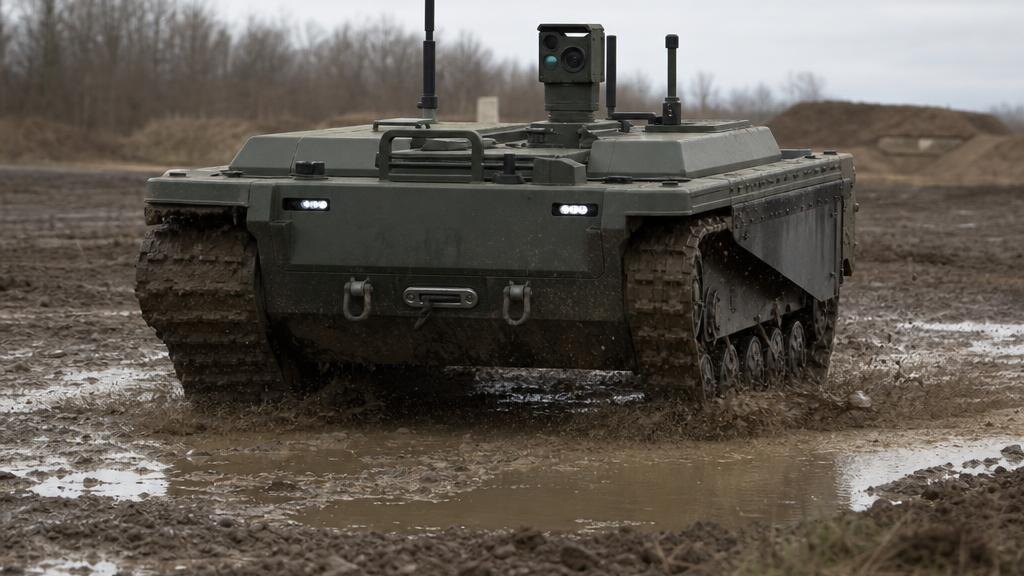
In a significant move to bolster its defense capabilities, Poland's state-owned radar manufacturer PIT-RADWAR has initiated a comprehensive upgrade of its military electronics plant located in Czernica, near Wrocław. This project, with an estimated investment of nearly 90 million zloty (about $23 million), is aimed at enhancing Poland's counter-drone capabilities, an area of increasing focus amid rising tensions in the region and the growing prevalence of unmanned aerial vehicles (UAVs) on the battlefield. The decision to upgrade the facility signals a recognition of the evolving nature of warfare, where drones have become integral to both offensive and defensive military operations.
The upgrade will unfold in stages, with the first phase valued at approximately 21 million zlotys (about $5.5 million) before taxes. This investment is crucial as Poland seeks to modernize its military infrastructure to address evolving threats, particularly from adversaries employing drone technology in asymmetric warfare. The country's focus on counter-drone systems underscores the necessity of adapting to a landscape where UAVs are not merely reconnaissance tools but also platforms for precision strikes and electronic warfare. This shift in focus reflects a broader trend among NATO allies, who are increasingly prioritizing counter-drone capabilities in their defense strategies.
Poland's proactive stance in upgrading its military electronics capabilities comes in the wake of the ongoing conflict in Ukraine, where UAVs have played pivotal roles in both offensive and defensive operations. The Ukrainian military has effectively utilized drones for intelligence gathering, target acquisition, and direct attacks, prompting nations in the region, including Poland, to reassess their military strategies. By enhancing its radar and counter-drone systems, Poland aims to ensure that it can effectively monitor and neutralize potential threats from hostile drones. This is particularly pertinent given the lessons learned from the conflict, where the effectiveness of drone warfare has been starkly demonstrated.
The integration of advanced electronics is vital for the development of effective counter-drone systems. These systems often rely on sophisticated radar technology to detect and track UAVs, coupled with electronic warfare capabilities to jam or disable them. As part of PIT-RADWAR's upgrade, the company is expected to focus on enhancing its radar technology, which will be crucial for identifying and responding to drone incursions in real-time. This technological advancement is not only about detection but also about developing a layered defense strategy that can include kinetic and non-kinetic responses to drone threats. Such a multi-faceted approach is essential in a battlefield where drones can be used for a variety of purposes, from surveillance to direct attacks.
Moreover, this upgrade aligns with Poland's broader defense strategy, which emphasizes sovereignty and self-reliance in military capabilities. The Polish government has been vocal about its commitment to increasing defense spending and ensuring that its armed forces are equipped to handle modern threats. This investment in military electronics not only enhances Poland's defensive posture but also contributes to the broader European effort to develop indigenous defense capabilities in the face of external pressures. Such initiatives are critical as NATO allies seek to bolster collective security in light of evolving geopolitical dynamics, particularly in Eastern Europe, where tensions with Russia have prompted a reevaluation of defense priorities.
However, there are challenges that Poland must navigate as it embarks on this modernization journey. The integration of new technologies often comes with significant logistical and operational hurdles. Training personnel to operate advanced systems, ensuring interoperability among various military branches, and maintaining a steady supply chain for critical components are just a few of the complexities involved in such upgrades. Furthermore, the rapid pace of technological advancement means that what is cutting-edge today may quickly become obsolete, necessitating ongoing investment and adaptation. This reality underscores the importance of not only investing in new technologies but also in the training and infrastructure needed to support them effectively.
Additionally, as Poland invests in counter-drone capabilities, it must also consider the potential for an arms race in the region. The proliferation of drone technology and countermeasures means that adversaries may quickly adapt, necessitating continuous innovation and investment. Poland's military planners must remain vigilant and agile in their approach to countering these evolving threats, ensuring that their systems remain effective against increasingly sophisticated UAVs. This dynamic environment requires not only technological advancements but also strategic foresight to anticipate future challenges. The ability to adapt quickly to new threats will be essential in maintaining a competitive edge in regional security.
As Poland moves forward with its military electronics plant upgrade, several questions remain unanswered. How quickly can the upgrades be implemented, and will they be sufficient to address the immediate threats posed by adversarial drones? Furthermore, what role will international partnerships play in enhancing Poland's defense capabilities? As the situation in Ukraine continues to evolve, the answers to these questions will be critical in shaping Poland's strategic direction in the coming years. Collaborations with NATO allies, particularly in joint exercises and technology sharing, could be pivotal in accelerating Poland's defense modernization efforts. Such partnerships can also provide valuable insights and capabilities that may not be readily available domestically.
In conclusion, the upgrade of PIT-RADWAR's military electronics plant represents a crucial step for Poland in enhancing its counter-drone capabilities. This initiative not only reflects the changing nature of warfare but also highlights the importance of investing in indigenous defense technologies. As Poland navigates the complexities of modern military challenges, its commitment to upgrading its defense infrastructure will play a pivotal role in ensuring national security and regional stability. The outcomes of this investment will likely influence Poland's military posture and its ability to respond to both current and future threats in an increasingly complex security environment. The success of this initiative will be closely watched by both allies and adversaries, as it may set a precedent for how nations in the region adapt to the challenges posed by modern warfare.