Air ·
Poland Trials Acoustic Drone Detector Along Eastern Border
Poland is testing an acoustic drone detection system as part of its Eastern Shield program, enhancing its counter-drone capabilities.
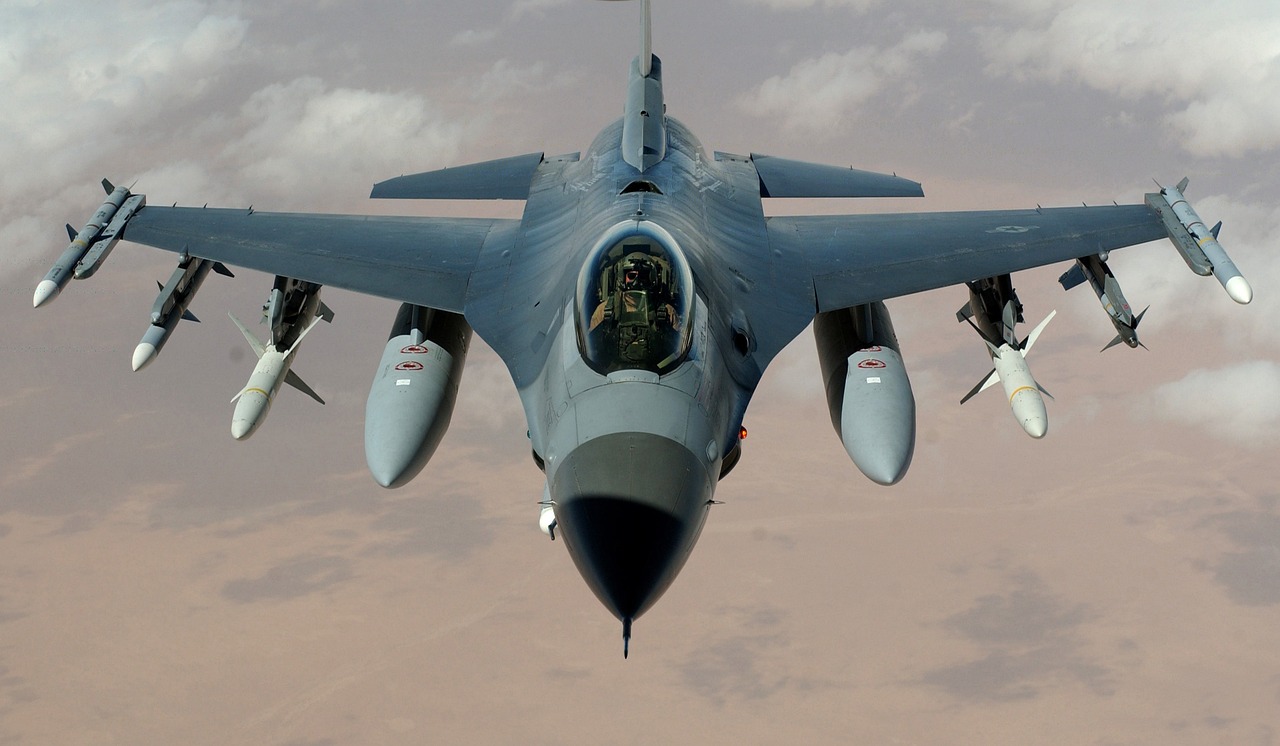
Poland is advancing its counter-drone capabilities by testing a Norwegian acoustic drone detector as part of its Eastern Shield program. The system, which was recently evaluated at the Central Air Force Firing Range in Ustka, listens for the sounds generated by drones rather than using visual detection methods. This innovative approach represents a significant development in counter-drone technology, reflecting Poland's commitment to strengthening its border security amid increasing drone threats.
The acoustic detection system operates by identifying unique sound signatures produced by drones, allowing for early warnings of potential incursions. This method can be particularly effective in environments where visual detection may be hampered by obstacles or adverse weather conditions, providing a reliable alternative for monitoring airspace. Poland's focus on developing such technologies comes against the backdrop of heightened security concerns in Eastern Europe, particularly given the ongoing tensions with neighboring countries.
By incorporating acoustic detection into its defense strategy, Poland aims to enhance its situational awareness and response capabilities. The system can complement existing visual detection methods, creating a multi-layered defense network that improves overall effectiveness. This integrated approach is crucial in countering the diverse threats posed by various drone technologies, which can be used for surveillance or even attacks.
Moreover, the Eastern Shield program signifies Poland's proactive stance in bolstering its military capabilities and ensuring national security. With drone technology becoming increasingly accessible and sophisticated, countries like Poland recognize the need to invest in advanced detection and countermeasures to safeguard their airspace and borders. The successful trials of the acoustic detector could pave the way for broader adoption of similar systems in the region.
In summary, Poland's testing of an acoustic drone detection system marks a significant step forward in its defense strategy. By exploring innovative detection methods, the country is positioning itself to better address the evolving drone threat landscape. The integration of such technologies will be vital in ensuring the security of Poland's borders and maintaining regional stability in a complex security environment.