Air ·
Pentagon's New Counter-Drone Strategy Following Ukrainian Drone Attack Exercise
The Pentagon has modified its counter-drone strategy in response to insights gained from a simulated Ukrainian-style drone attack conducted in Florida.
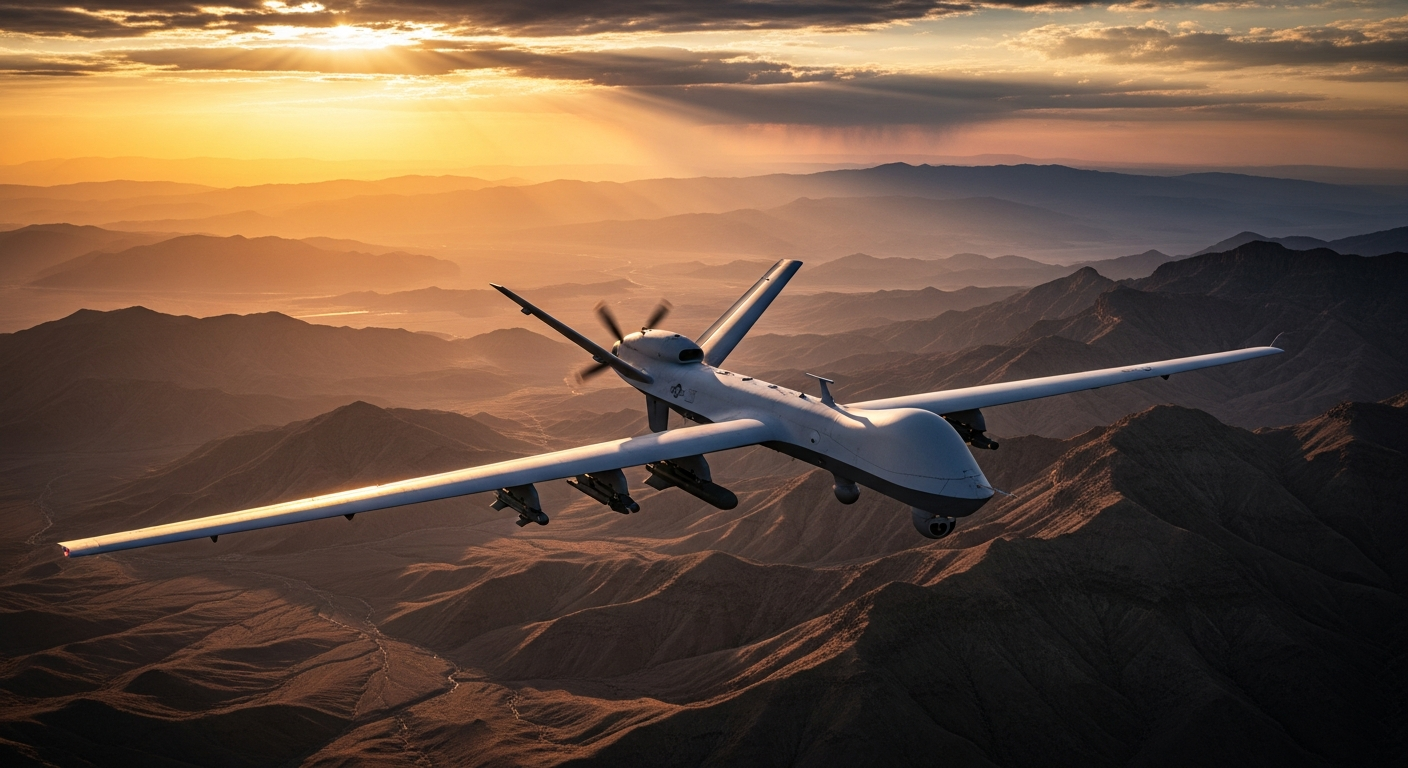
In a significant development for U.S. military operations, the Pentagon has updated its counter-drone strategy following a recent exercise that replicated a Ukrainian-style drone attack scenario. This exercise, held in Florida, provided valuable insights into the tactics and technologies employed by adversaries using UAVs for offensive operations. The outcomes of this training event have prompted military leaders to reassess and refine their approach to drone threats, ensuring that U.S. forces remain prepared for evolving battlefield dynamics.
The exercise highlighted the effectiveness of coordinated drone swarms and the challenges associated with detecting and neutralizing multiple UAVs operating in concert. As adversaries increasingly adopt similar tactics, the Pentagon recognizes the urgency of developing robust countermeasures to address these threats. This has led to a renewed focus on integrating advanced detection systems and counter-drone technologies across various branches of the military.
In response to the lessons learned from the exercise, the Pentagon is exploring a range of counter-drone solutions, including electronic warfare systems, kinetic interceptors, and advanced surveillance technologies. The aim is to create a comprehensive multi-layered defense that can effectively counter both small and large UAVs in diverse operational environments. This strategy not only emphasizes the importance of technology but also highlights the need for improved training and coordination among military units.
Moreover, the Pentagon's revised strategy is expected to involve increased collaboration with industry partners specializing in drone detection and neutralization technologies. By leveraging innovative solutions from the defense industry, the military aims to enhance its overall readiness and adaptability to emerging drone threats. This partnership will be crucial in ensuring that U.S. forces can effectively counter adversarial drone operations in real-time.
In summary, the Pentagon's updated counter-drone strategy reflects a proactive approach to addressing the challenges posed by UAVs on the modern battlefield. By learning from exercises like the simulated Ukrainian attack, military leaders are positioning U.S. forces to maintain a technological edge in drone warfare and ensure the safety and effectiveness of their operations.