Naval ·
New Zealand's Electric Jet Drone Boat Achieves Key Milestone
EDGE Defence announces the successful launch and recovery of its all-electric jet unmanned surface vessel, Whai.
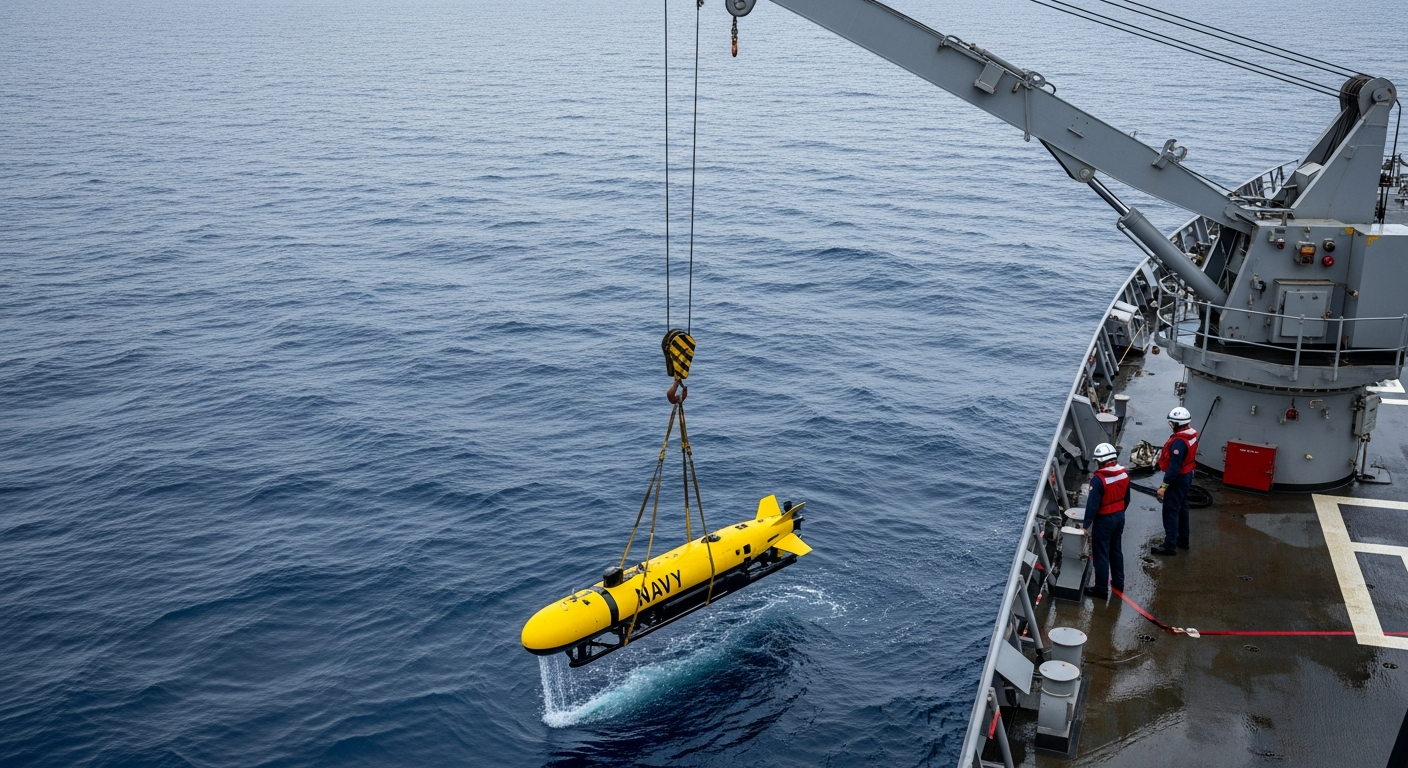
New Zealand’s EDGE Defence has made progress in the field of unmanned maritime systems with the successful testing of its all-electric jet unmanned surface vessel (USV), named Whai. This vessel, designed for various maritime applications, was launched and recovered from an innovative unmanned boat launcher, showcasing the potential for operational deployment without the need for crewed mooring. The success of this test is a significant step towards enhancing naval capabilities through the use of unmanned technologies.
The Whai USV is designed to operate in diverse maritime environments, providing capabilities for surveillance, reconnaissance, and potentially offensive operations. The reliance on electric propulsion not only reduces the vessel's operational costs but also minimizes its environmental impact. As nations around the world seek to modernize their fleets with greener technologies, the Whai USV stands as a promising example of how unmanned systems can lead the way in sustainable naval operations.
This advancement reflects a broader trend within the defense industry, where electric and hybrid technologies are increasingly being integrated into unmanned systems. The ability to launch and recover unmanned vessels autonomously opens up new operational possibilities, allowing for more flexible mission profiles and extended deployment durations. As the technology matures, we can expect to see further innovations that enhance the capabilities and versatility of unmanned maritime systems.
With the successful testing of the Whai USV, EDGE Defence is positioning itself as a key player in the evolving landscape of naval unmanned systems. The implications of this technology extend beyond simple surveillance; as capabilities expand, these vessels could play vital roles in patrolling territorial waters, conducting search and rescue missions, or even engaging in anti-piracy operations. The potential applications of unmanned surface vessels are vast and varied, reflecting the changing needs of modern naval forces.
As the demand for unmanned maritime systems grows, the success of Whai could inspire similar projects globally. Other nations may follow suit, developing their own electric or hybrid USVs to meet strategic and operational needs in an increasingly complex maritime domain. The future of naval warfare is likely to see more integration of unmanned systems, offering enhanced capabilities to ensure maritime security and operational effectiveness.