Air ·
Navy's MQ-25A Stingray Achieves Milestone with First Test Flight
The U.S. Navy's MQ-25A Stingray successfully completed its inaugural test flight, showcasing its capabilities as an autonomous aerial refueler despite delays in deployment until 2029.
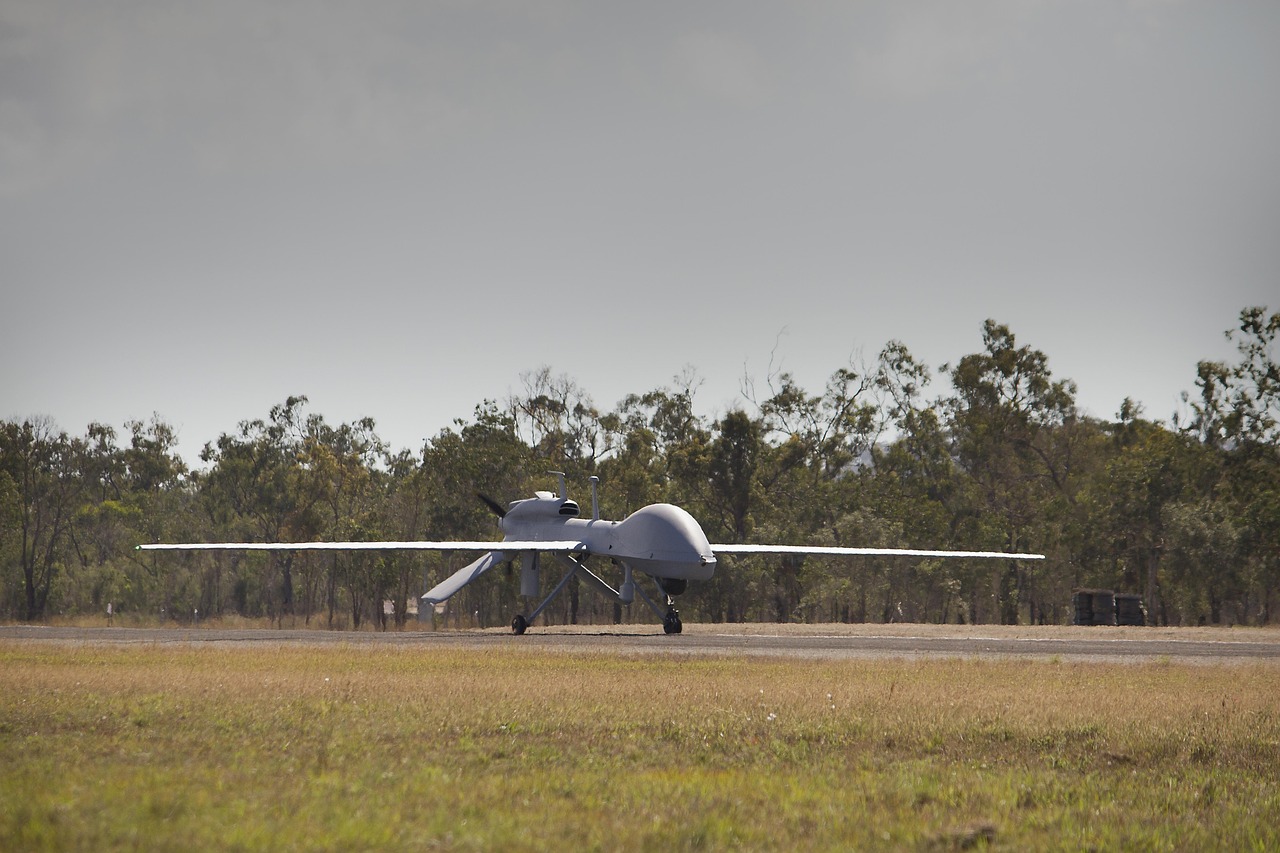
The U.S. Navy’s MQ-25A Stingray, developed by Boeing, marked a significant development milestone with its first successful test flight. This unmanned aerial vehicle (UAV) is designed to extend the operational range of carrier-based aircraft by providing essential in-flight refueling capabilities. The flight included autonomous take-off, flight, and landing operations, demonstrating the advanced automation and reliability essential for future naval operations.
Despite the successful flight, the Navy has announced that the initial operational capability (IOC) of the MQ-25A will not occur until 2029, extending the timeline by three years from previous expectations. This delay is a considerable concern for the Navy, particularly as it seeks to enhance the operational flexibility of its carrier strike groups amid growing geopolitical tensions. The Stingray will be pivotal in allowing naval aviation to expand its reach and maintain a strategic advantage.
The MQ-25A's role is crucial in offsetting the increasing demand for aerial refueling in modern warfare, especially as the Navy prepares for potential conflicts against near-peer adversaries. With a focus on integrating this drone into existing carrier operations, the Stingray is expected to revolutionize how the Navy conducts air operations at sea. Its ability to refuel various types of aircraft will contribute significantly to mission success in contested environments.
As the Navy continues to evolve its fleet, the MQ-25A will also play a role in the integration of unmanned systems into carrier air wings, promoting a new era of warfare where manned and unmanned systems operate cohesively. The successful completion of the test flight is a positive step forward, but the extended timeline raises questions about the Navy's ability to adapt to rapidly changing security dynamics. Continued investment in unmanned systems like the Stingray will be essential for maintaining naval superiority in the coming years.