Land ·
NATO's Ground Robot Integration Takes Center Stage Near Russian Border
NATO is exploring the integration of ground robots into their operational framework as they acknowledge lagging behind air drone capabilities, particularly near the Russian border.
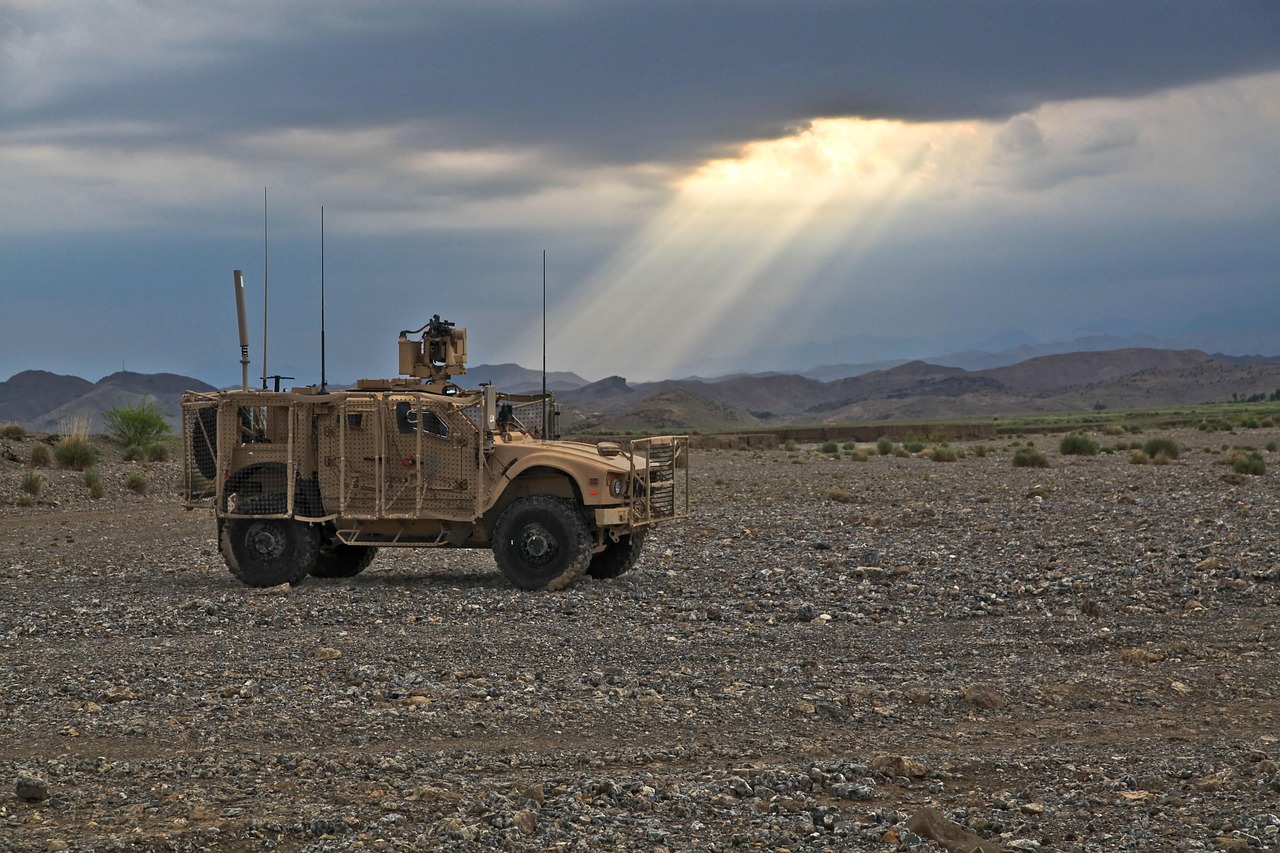
As NATO faces evolving threats near the Russian border, the need to enhance ground combat capabilities has become increasingly critical. Acknowledging a reliance on aerial drones, commanders, particularly from Latvia, have expressed that the alliance is somewhat behind in utilizing ground robots effectively. This realization is prompting discussions on how to better integrate unmanned ground vehicles (UGVs) into NATO's operational strategy, especially as tensions escalate in Eastern Europe.
The use of UGVs offers numerous advantages, including enhanced surveillance, reconnaissance capabilities, and the ability to operate in high-risk areas without endangering human lives. Countries like Latvia are at the forefront of these discussions, seeking to leverage technology to bolster their defensive posture against a more aggressive Russian military presence. The integration of these systems could also facilitate better communication and coordination among allied forces in joint operations.
However, challenges remain in effectively deploying these systems. Issues such as communication in complex terrains and the need for robust command and control networks are critical hurdles that must be addressed. NATO's ongoing exercises are providing valuable lessons, showcasing both the potential and limitations of current UGV technologies.
As NATO continues to adapt its strategies, the emphasis on ground robots may lead to a paradigm shift in how ground operations are conducted. The alliance's commitment to innovation in this area is essential for maintaining a competitive edge in modern warfare, particularly in a landscape where traditional tactics are increasingly being challenged by advanced technologies and asymmetric threats.