Air ·
NATO's Counter-Drone Operations Highlight Technological Challenges
A recent NATO exercise in Latvia underscores the ongoing struggle to effectively counter drone threats in Europe.
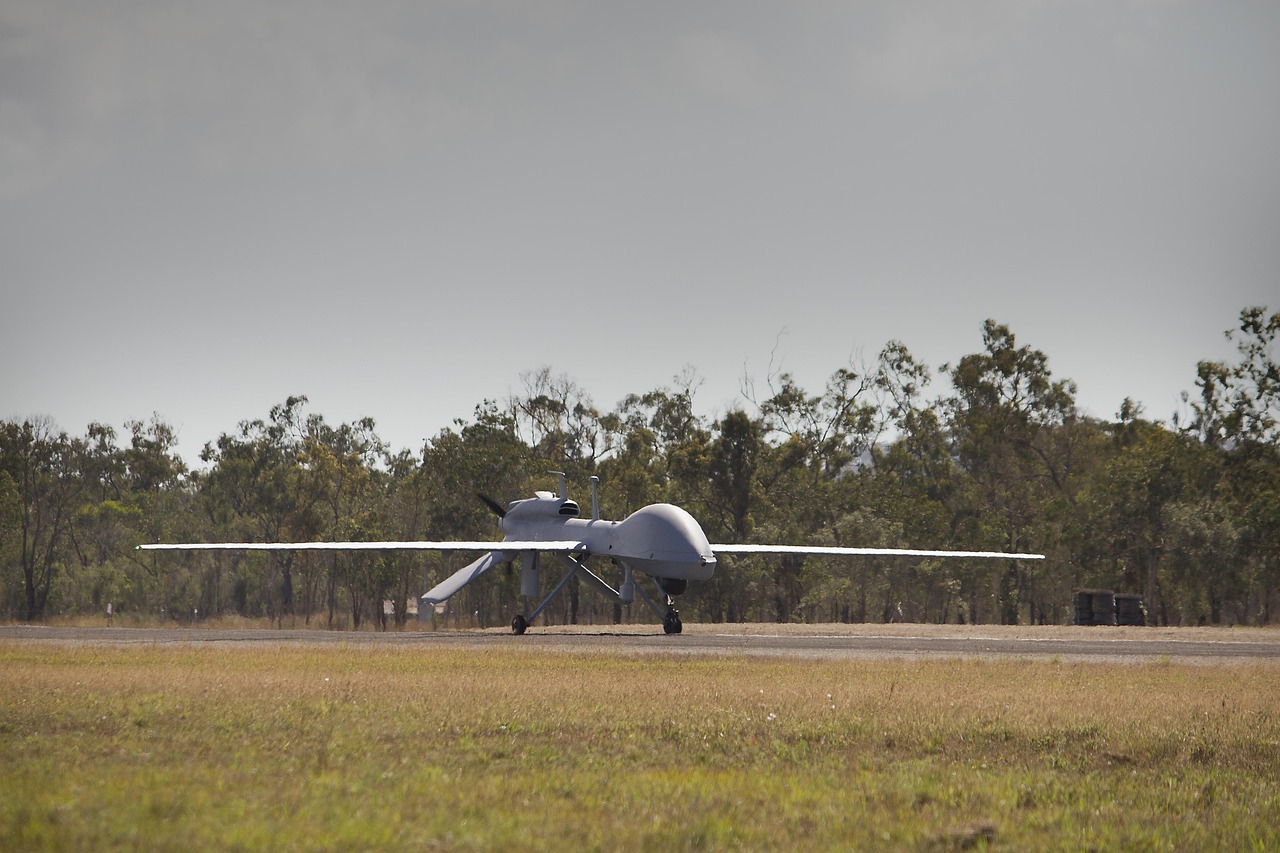
NATO's recent training exercises in Latvia have brought to light the persistent challenges faced by European forces in effectively countering the growing threat posed by unmanned aerial vehicles (UAVs). The exercises revealed a notable gap between drone technology and the countermeasures currently in use, suggesting that adversary systems may have outpaced defense technologies. An officer involved in the exercise remarked on the need for interceptors to achieve a perfect success rate to prevent losses, emphasizing the high stakes involved.
The rapid proliferation of drone technology has transformed the battlefield, making it increasingly difficult for traditional air defense systems to keep pace. This situation has prompted NATO member states to reevaluate their strategies and invest in advanced counter-drone capabilities. The exercise aimed to assess the effectiveness of existing systems and highlight areas where improvements are needed, particularly in developing more sophisticated interception technologies.
As adversaries become more adept at employing drones, NATO's counter-drone efforts must evolve to address the multifaceted nature of these threats. The integration of AI and machine learning into counter-drone systems could enhance decision-making processes and improve the likelihood of successful interceptions. Furthermore, enhancing the interoperability of different nations' systems will be crucial in creating a cohesive response to the drone threat.
Beyond technological advancements, the exercises highlighted the importance of training and collaboration among member nations. Sharing best practices and lessons learned from these exercises can help NATO forces develop more effective counter-drone strategies. As drone technology continues to advance, the alliance must remain agile and responsive to new threats, ensuring that its defense capabilities are up to par with the evolving landscape of aerial warfare.
In conclusion, NATO's ongoing counter-drone journey reflects the broader challenges faced by military organizations around the world. The need for innovative solutions and collaborative efforts is paramount in maintaining a strategic advantage in countering UAV threats. As the situation evolves, NATO's commitment to enhancing its counter-drone capabilities will be critical in safeguarding its members and maintaining regional stability.