Air ·
NATO Airspace Under Scrutiny Following Drone Incidents
A French military jet engaged and shot down a rogue drone in Latvian airspace, highlighting rising tensions in the region.
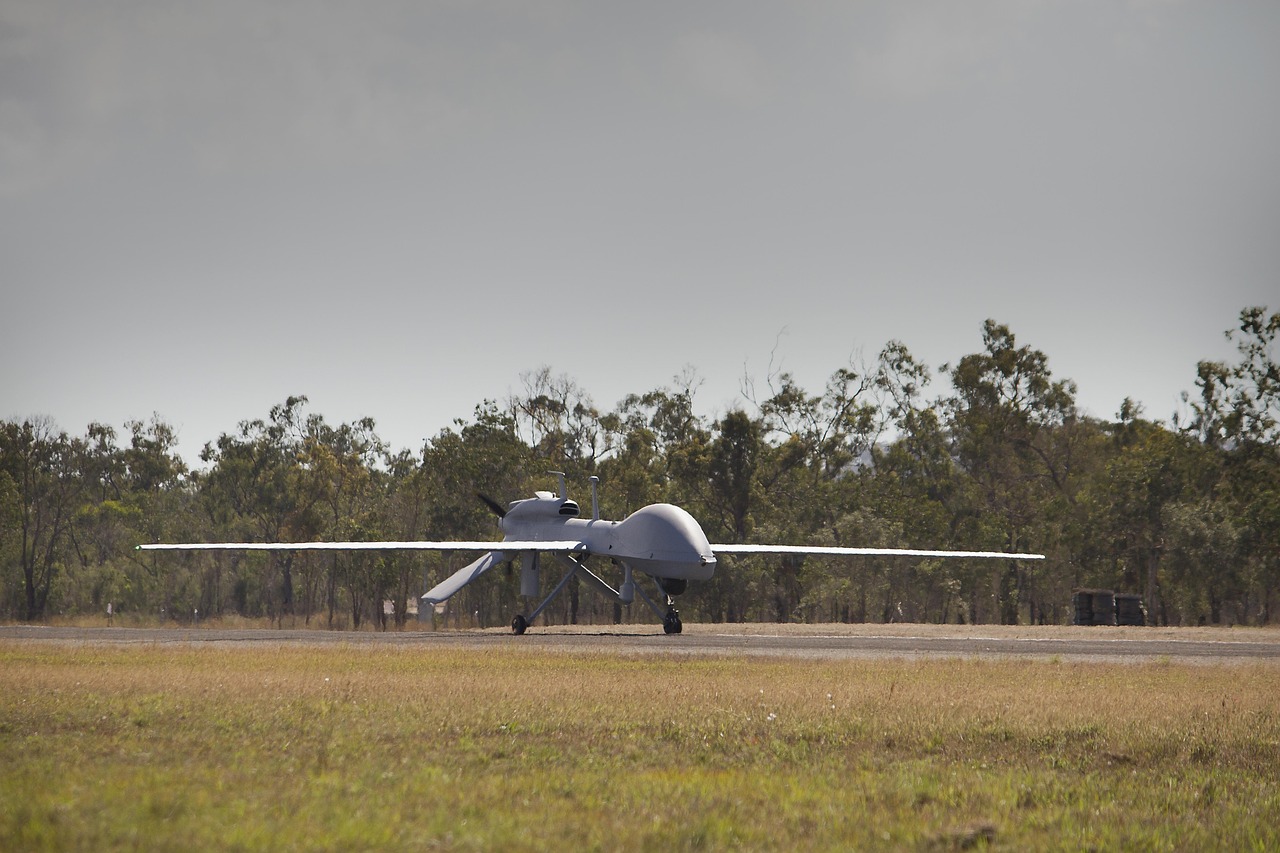
Recent incidents involving drones straying into NATO airspace have raised alarms among member states, particularly following a French military jet's engagement of a drone within Latvian airspace. This event underscores the heightened tensions in Eastern Europe as the conflict in Ukraine continues to unfold. The NATO alliance is increasingly vigilant regarding airspace security, especially with the potential for Russian incursions using drones.
The French jet was part of NATO's air policing mission, which aims to ensure the safety of member states' airspace. The engagement and neutralization of the drone demonstrate NATO's commitment to maintaining air sovereignty in the face of evolving threats. As drones become more commonplace in warfare, their presence in sensitive airspace poses a significant challenge, not only for detection but also for effective response measures.
The incident also reflects a broader trend of military drones operating near NATO borders, prompting discussions about the need for enhanced air defense capabilities among member states. With Russia's use of drones in Ukraine, there is a growing concern that similar tactics could be employed against NATO countries, leading to potential escalations in regional conflicts. The alliance must remain prepared to address these threats to ensure collective security.
As NATO continues to adapt to emerging threats, the integration of advanced drone detection and interception technologies will be crucial. This includes improving surveillance capabilities and developing rapid response frameworks to engage drones that pose a threat to airspace security. The incident in Latvia serves as a reminder of the urgent need to invest in these capabilities to mitigate risks posed by hostile UAV operations.
In conclusion, the recent shootdown of a drone by a French military jet highlights the increasing complexity of air defense in the context of modern warfare. As drone technology evolves, NATO must ensure that its member states are equipped to respond effectively to aerial threats, safeguarding the integrity of their airspace and maintaining regional stability. The situation demands ongoing vigilance and innovation in defense strategies to counteract the growing drone threat.