Air ·
MQ-25A Stingray Successfully Completes First Test Flight for U.S. Navy
The U.S. Navy's MQ-25A Stingray has successfully completed its maiden flight, marking a significant milestone for unmanned carrier operations.
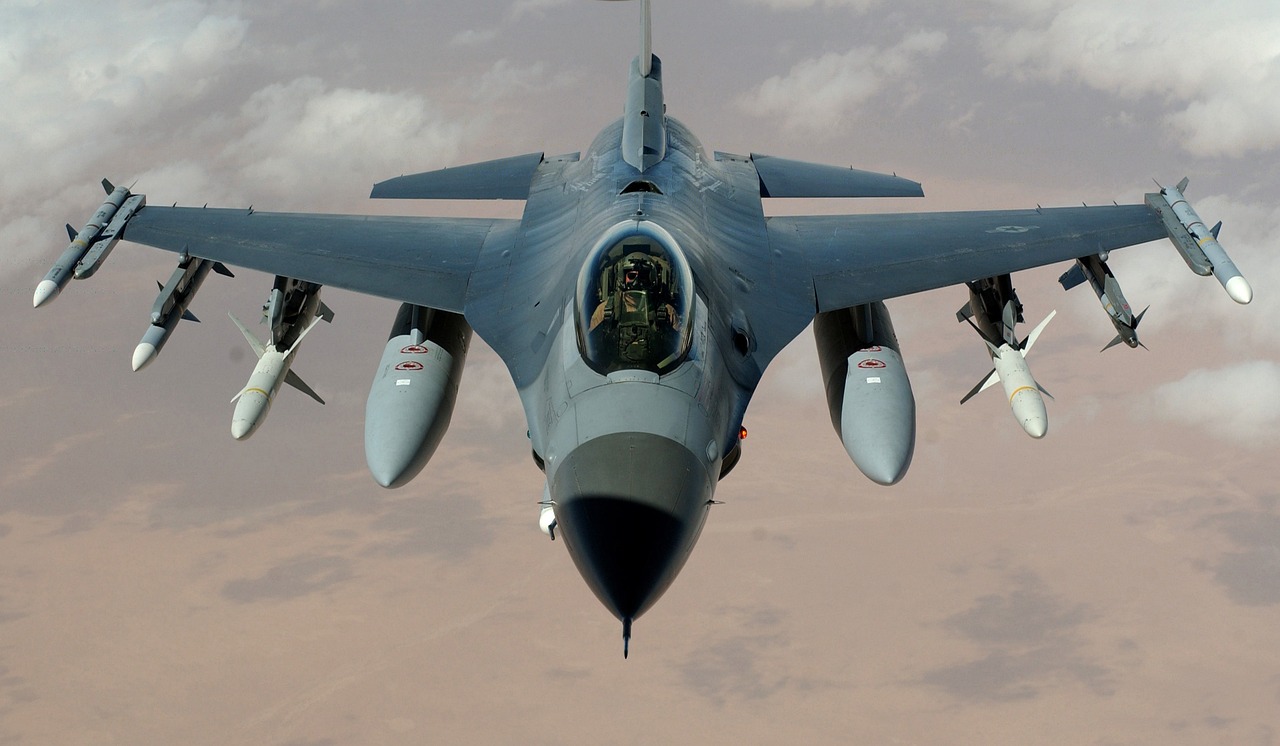
The U.S. Navy and Boeing have achieved a critical milestone in their efforts to enhance naval aviation capabilities with the successful first flight of the MQ-25A Stingray. Conducted at Boeing’s facility in Mascoutah, Illinois, the test flight showcased the drone's ability to autonomously taxi, take off, and land. This unmanned aerial vehicle (UAV) is designed to serve as an aerial refueling platform, significantly extending the operational range of carrier-based aircraft.
The MQ-25A Stingray is part of the Navy’s broader initiative to integrate unmanned systems into its carrier strike groups. With an operational range that enhances the versatility of the Navy's carrier air wing, the Stingray will allow for more efficient use of manned fighter jets, enabling them to focus on combat missions while the drone handles the refueling tasks. This strategic shift toward unmanned operations is indicative of the Navy's commitment to modernization and cost-effectiveness in an era of increasing technological competition.
Despite this success, the Navy has announced a delay in the initial operational capability (IOC) of the MQ-25A, which is now pushed back to 2029. This delay highlights the challenges in integrating new technologies into existing naval operations and the complexities involved in ensuring that the system meets all operational and safety standards. The implications of this postponement are significant as the Navy grapples with maintaining readiness amid evolving global threats.
The MQ-25A Stingray is expected to play a pivotal role in future carrier operations, potentially reshaping the dynamics of naval warfare. With plans to deploy this unmanned tanker alongside traditional fighter jets, the Navy is positioning itself to leverage the advantages of unmanned systems to enhance mission effectiveness. As unmanned systems continue to evolve, the Navy's commitment to integrating such technologies will likely serve as a model for other branches of the armed forces as they explore similar advancements in aerial capabilities.