Naval ·
Marines Test Unmanned Surface Vessel for Littoral Operations
The U.S. Marine Corps is evaluating the capabilities of an Unmanned Surface Vessel (USV) to enhance littoral explosive ordnance disposal operations, marking a significant step in the integration of unmanned systems into naval warfare.
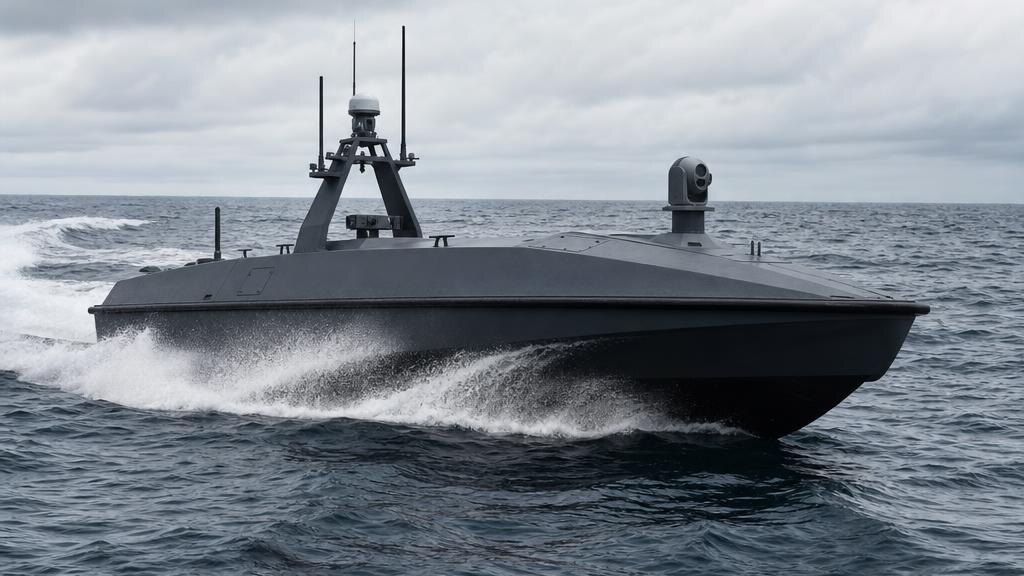
The U.S. Marine Corps recently conducted trials of an Unmanned Surface Vessel (USV) as part of its Littoral Explosive Ordnance Neutralization System. This initiative, undertaken by the Program Manager Combat Support Systems (PM CSS) of the Portfolio Acquisition Executive Marine Corps (PAE MC), aims to address specific operational gaps in littoral environments, where traditional manned vessels may face increased risks from enemy threats and challenging conditions. The trials were carried out at Camp Pendleton, California, where the USV was equipped with advanced technologies such as integrated autonomous driving systems, sonar, Forward-Looking Infrared (FLIR) cameras, and both line-of-sight and acoustic communications capabilities. The integration of these technologies is designed to enhance the operational effectiveness of the Marine Corps in explosive ordnance disposal (EOD) missions, particularly in coastal and shallow water environments.
The significance of these trials cannot be overstated. As warfare increasingly shifts to the littoral zones, the need for unmanned systems that can operate in these complex environments becomes critical. The ability to deploy USVs for EOD operations not only reduces the risk to human personnel but also allows for more rapid response times in neutralizing threats. This aligns with the broader strategic goals of the U.S. military to leverage unmanned systems for enhanced operational flexibility and effectiveness. The use of USVs in littoral operations is particularly relevant given the evolving nature of maritime threats, which may include asymmetric warfare tactics employed by adversaries who seek to exploit the vulnerabilities of traditional naval forces.
However, the incorporation of USVs into Marine Corps operations is not without challenges. One of the primary constraints is ensuring the reliability and robustness of these unmanned systems in unpredictable maritime conditions. The trials at Camp Pendleton are a vital first step, but further testing in diverse environments will be necessary to fully validate the capabilities of the USV. This includes evaluating performance under various weather conditions, sea states, and potential enemy engagements, which are critical for operational readiness. The unpredictability of the littoral environment necessitates that these systems be able to operate autonomously and effectively, even when faced with unexpected challenges.
In addition, there are questions surrounding the operational integration of USVs within existing naval frameworks. How will these unmanned vessels be coordinated with manned assets? What protocols will be established to ensure seamless communication and command and control? These are critical considerations that the Marine Corps must address as it moves forward with the deployment of USVs. Effective integration will require not only technological solutions but also comprehensive training for personnel who will operate alongside these unmanned systems. The development of joint operational procedures that encompass both manned and unmanned assets will be essential to maximize the effectiveness of the Marine Corps' EOD capabilities in littoral zones.
Moreover, the cost implications of integrating USVs into the Marine Corps’ operational structure must be evaluated. While unmanned systems can potentially reduce long-term operational costs and risks, the initial investment in technology development, training, and maintenance can be substantial. The Marine Corps will need to balance these costs against the anticipated operational benefits to justify the continued expansion of USV capabilities. This financial assessment will be crucial as the Department of Defense allocates resources in an increasingly constrained budget environment. The challenge will be to ensure that investments in USV technology yield tangible improvements in mission success rates while remaining fiscally responsible.
As these trials continue, the lessons learned will likely inform broader military strategies related to unmanned systems. The successful deployment of USVs could set a precedent for their use in other naval operations, including reconnaissance, surveillance, and even combat roles. The adaptability of USVs in various mission profiles could significantly enhance the operational reach and effectiveness of the U.S. Navy and Marine Corps. This versatility may also lead to the development of new tactics and operational doctrines that leverage the unique capabilities of unmanned vessels. As the military explores the full spectrum of unmanned capabilities, it may discover innovative applications that further enhance situational awareness and decision-making in complex operational environments.
Ultimately, the integration of USVs into littoral operations represents a significant evolution in naval warfare. As the U.S. military continues to adapt to the challenges posed by advanced adversaries, the role of unmanned systems will only become more prominent. The ongoing trials at Camp Pendleton are just one example of how the Marine Corps is embracing this change and preparing for the future of warfare in complex maritime environments. The strategic shift towards unmanned systems reflects a broader trend within the military to enhance deterrence and operational effectiveness in contested environments. This evolution is not merely a response to technological advancements but also a proactive approach to countering emerging threats in a rapidly changing security landscape.
In conclusion, the Marine Corps’ exploration of USVs for explosive ordnance disposal operations underscores a pivotal shift in military strategy. As unmanned technology continues to advance, the integration of these systems will likely play a crucial role in shaping the future of naval operations, providing new capabilities to address emerging threats in littoral zones. The ongoing trials not only highlight the potential of USVs but also emphasize the necessity for continuous innovation and adaptation in military operations to maintain a strategic edge. The successful integration of USVs into the Marine Corps' operational framework could redefine how the U.S. military approaches maritime security and operational readiness in the face of evolving threats.