Land ·
Marines Rushing To Equip Amphibious Combat Vehicles With New Anti-Drone Jammers
The U.S. Marine Corps is accelerating the integration of anti-drone jamming systems into its Amphibious Combat Vehicles (ACVs) to enhance their defenses against the growing drone threat on the battlefield.
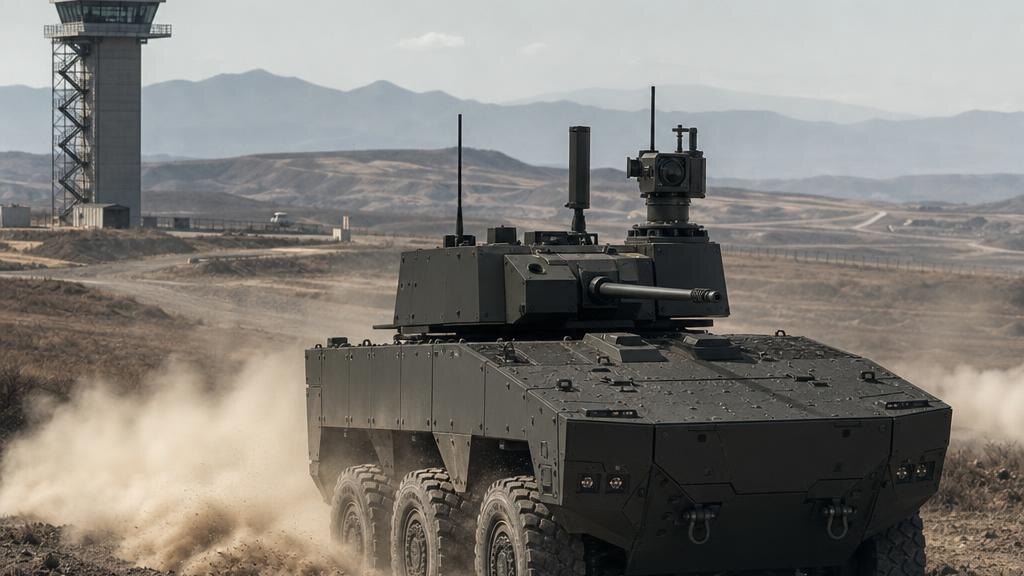
In a significant move to bolster its defenses against aerial threats, the U.S. Marine Corps (USMC) is urgently equipping its Amphibious Combat Vehicles (ACVs) with Anduril’s Pulsar-L anti-drone jammers. This initiative, driven by a recognized need for enhanced protection against drones, aligns with the USMC's broader strategy to adapt to evolving battlefield dynamics, particularly in contested environments where drone capabilities have proliferated. The urgency of this upgrade reflects the changing nature of warfare, where the integration of advanced technology is paramount to maintaining a tactical edge.
The integration of these jamming systems comes in response to the increasing reliance on unmanned aerial vehicles (UAVs) by adversaries. Drones have become a critical component of modern warfare, capable of conducting surveillance, reconnaissance, and even direct attacks. The USMC's decision to enhance its ACVs with advanced counter-drone technology reflects a proactive approach to maintaining operational superiority in the face of these emerging threats. The proliferation of drones in various military theaters has necessitated a reevaluation of traditional ground tactics, underscoring the importance of integrating modern technology into existing platforms.
The Pulsar-L jamming system is designed to disrupt the control signals between drones and their operators, effectively neutralizing the threat posed by hostile UAVs. This capability is particularly vital for the ACVs, which are often deployed in amphibious assaults and other operations where they may be vulnerable to drone surveillance and attacks. By equipping these vehicles with jammers, the Marines aim to create a more resilient force that can operate in contested environments without the constant fear of aerial reconnaissance or assault. This proactive measure enhances the survivability of ground troops and ensures that they can carry out their missions with reduced risk from aerial threats.
Historically, the USMC has faced challenges in adapting to rapid technological advancements in warfare. The introduction of drones has forced military planners to rethink traditional tactics and strategies. The urgency behind the current upgrades to the ACVs underscores an acknowledgment that the battlefield landscape has fundamentally changed, necessitating a shift in how ground forces defend themselves against aerial threats. The lessons learned from recent conflicts have highlighted the need for a comprehensive approach to countering drone threats, which includes not only technological solutions but also tactical and operational adaptations.
Furthermore, the integration of anti-drone systems into the ACVs is part of a larger trend within the U.S. military to enhance multi-domain operations. As adversaries increasingly incorporate drones into their arsenals, the USMC’s ability to counter these threats will be crucial for successful operations. The Pulsar-L system not only enhances the defensive capabilities of the ACVs but also contributes to a comprehensive approach to electronic warfare, which is becoming an essential component of modern military engagements. This shift towards multi-domain operations emphasizes the interconnectedness of land, air, and cyber capabilities, requiring a holistic understanding of warfare in the 21st century.
However, the rapid pace of technological change also presents challenges. While the Pulsar-L system offers a promising countermeasure, it is essential to recognize that adversaries are likely to develop counter-countermeasures, creating an ongoing cycle of technological escalation. As such, the USMC must remain vigilant and adaptive, continuously evaluating the effectiveness of its counter-drone systems and seeking further advancements in this area. This iterative process of technological development and adaptation will be crucial in maintaining an edge over adversaries who are also investing heavily in drone technology.
In addition to the technical capabilities of the Pulsar-L, its successful integration into the ACVs will depend on effective training and operational doctrine. Marines will need to be thoroughly trained not only in the operational use of the jamming systems but also in understanding the broader implications of drone warfare. This includes recognizing the signs of drone activity and being prepared to respond effectively in a dynamic battlefield environment. The effectiveness of the Pulsar-L system will ultimately hinge on the Marines’ ability to leverage this technology in conjunction with their existing skills and knowledge of battlefield tactics.
The urgency of this upgrade is underscored by the ongoing conflicts where drone warfare has played a pivotal role. In recent conflicts, drones have been used for everything from intelligence gathering to direct strikes against ground forces. The ability of the USMC to operate effectively in such environments will depend on its capacity to neutralize these aerial threats, making the integration of anti-drone jammers a critical priority. As adversaries continue to innovate and refine their drone capabilities, the USMC must ensure that its forces are equipped to counter these developments effectively.
As the USMC moves forward with these upgrades, questions remain about the long-term effectiveness and adaptability of the Pulsar-L system. Will it remain effective against increasingly sophisticated drone technologies? How will the Marines ensure that their tactics evolve in tandem with technological advancements? These questions highlight the need for continuous innovation and adaptation in military capabilities as the nature of warfare evolves. The USMC's commitment to integrating advanced technologies like the Pulsar-L demonstrates a recognition of the importance of staying ahead of emerging threats in an ever-changing battlefield landscape.
In conclusion, the USMC's initiative to equip its Amphibious Combat Vehicles with anti-drone jammers represents a critical step in enhancing ground forces’ resilience against aerial threats. By prioritizing such upgrades, the Marines are not only addressing current battlefield challenges but are also laying the groundwork for future operational success in an era where drones will continue to play an integral role in military strategy. The integration of the Pulsar-L system into the ACVs is emblematic of a broader shift in military thinking, one that embraces technological advancements as essential tools for achieving strategic objectives in the complex and multifaceted nature of modern warfare.