Naval ·
Legal Dispute Arises Over U.S. Navy's MUSV Program Decisions
Two defense technology companies have initiated a lawsuit against the U.S. Navy, claiming unfair exclusion from the Medium Unmanned Surface Vessel program.
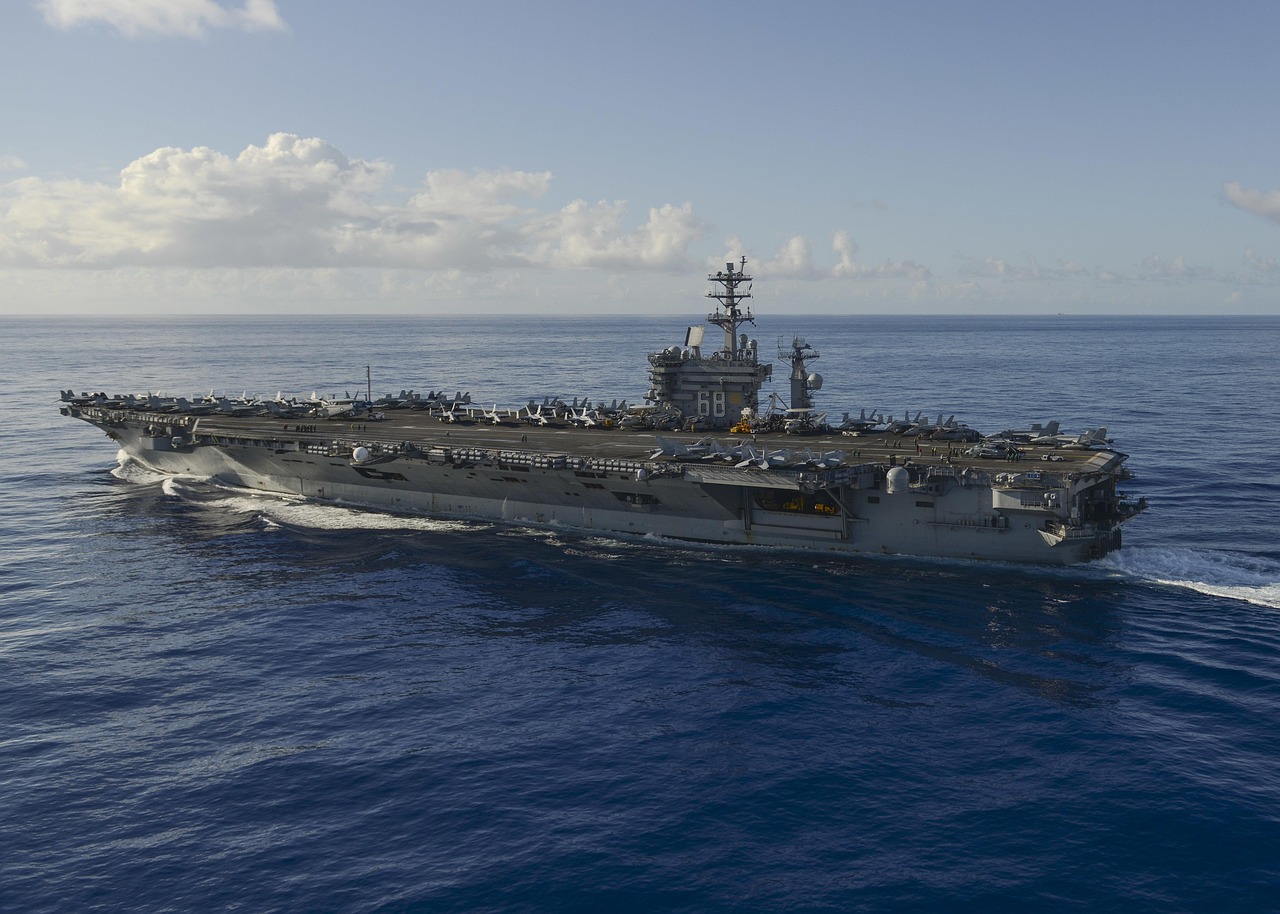
The U.S. Navy's Medium Unmanned Surface Vessel (MUSV) program has become the center of a legal battle as two defense technology companies file a lawsuit against the Navy. The companies allege they were unjustly excluded from the program, which is set to play a pivotal role in modernizing naval operations. This dispute highlights the competitive landscape within the defense sector, particularly in the realm of unmanned maritime systems.
The MUSV program aims to develop advanced unmanned surface vessels capable of conducting a range of missions, from intelligence gathering to logistical support. With the growing emphasis on unmanned systems in naval operations, the stakes are high for companies looking to secure contracts and contribute to the Navy’s evolving fleet. The plaintiffs argue that their exclusion undermines competition and innovation, calling into question the Navy's selection process and criteria.
Legal challenges in defense contracts are not uncommon, but this case brings to light critical issues regarding transparency and fairness in procurement processes. The outcome could set a precedent for how the Navy and other branches of the military engage with industry partners moving forward. As the Navy seeks to bolster its unmanned capabilities, ensuring an open and inclusive bidding process becomes increasingly essential.
Furthermore, the push for unmanned surface vessels aligns with broader strategic objectives, such as reducing risk to personnel and enhancing operational efficiency. The Navy's pursuit of advanced unmanned capabilities emphasizes the need for diverse contributions from various defense companies, which can foster innovation and accelerate technology development.
As the legal proceedings unfold, it will be important to observe how the Navy responds and whether this dispute influences future procurement strategies. The outcome could have significant implications not just for the parties involved, but for the entire unmanned maritime industry as the military increasingly relies on these systems for future operational success.