Air ·
Latvian Defense Minister Resigns Amid Drone Detection Failures
The resignation of Latvia's Defense Minister highlights critical vulnerabilities in the country's drone detection capabilities.
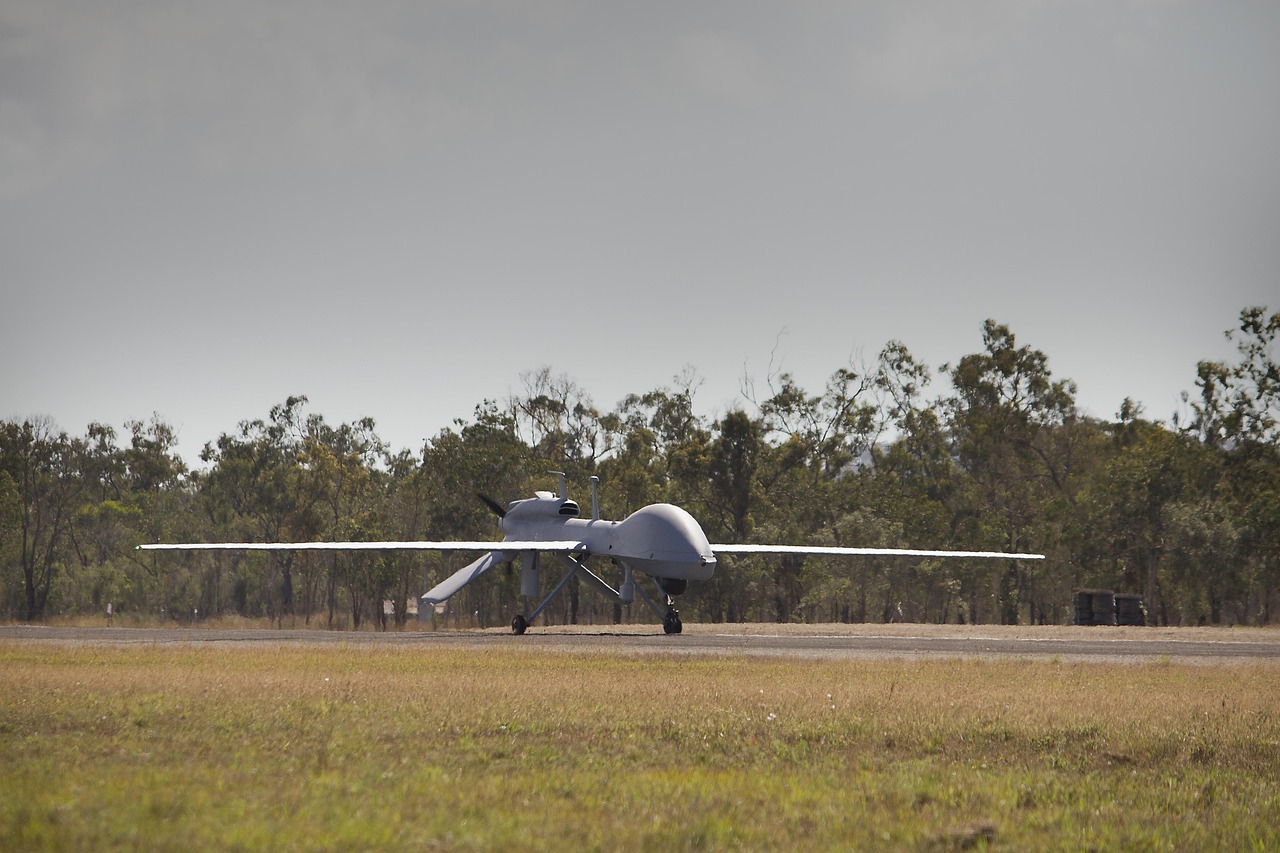
The recent resignation of Latvia's Defense Minister has sent shockwaves through the Baltic state's military community, following a major incident involving undetected drone incursions. This event, where military drone detection systems failed to identify an incoming aircraft, has raised serious concerns about the effectiveness of Latvia's air defense protocols. The situation escalated when residents received mobile warnings approximately an hour after the drone had already crashed, illustrating a significant lag in the response time of existing systems.
In the context of regional security, Latvia has been increasingly aware of the threats posed by both state and non-state actors using drones for reconnaissance and potential attacks. The failure to detect the incoming drone not only compromised national security but also undermined public trust in the government’s capability to protect its citizens. Given the geopolitical tensions in the region, particularly with Russia, these shortcomings could have severe implications for Latvia’s defense posture.
Latvia's reliance on outdated detection technologies has come under scrutiny as neighboring countries enhance their drone warfare capabilities. The incident serves as a wake-up call for Latvia to invest in advanced drone detection systems, including integration of AI and machine learning technologies that can provide real-time analysis and quicker response times. The need for a comprehensive upgrade to Latvia's air defenses is now more pressing than ever.
In response to this incident, there is a growing consensus among military analysts that Latvia must strengthen its collaboration with NATO partners to enhance its air surveillance and drone detection capabilities. The use of modern technologies, such as radar systems and electronic warfare tools, can significantly improve situational awareness. Additionally, this situation may prompt Latvia to reconsider its defense budget allocations, prioritizing investments in advanced unmanned systems and detection technologies to prevent future lapses in security.
As the dust settles from this political upheaval, the focus will now shift to how Latvia can effectively address these vulnerabilities in its defense infrastructure. The outcome of this incident may serve as a pivotal moment for the country, pushing it toward modernizing its military capabilities in an increasingly drone-dominated battlefield. The new leadership will need to act swiftly to reassure both the public and allies that Latvia can adequately defend against aerial threats moving forward.