Naval ·
Joint Task Force Strikes Suspected Drug Boat, Highlights UAV Engagement in Anti-Drug Operations
The recent U.S. strike on a suspected drug boat underscores the role of unmanned systems in combating maritime crime in the Eastern Pacific.
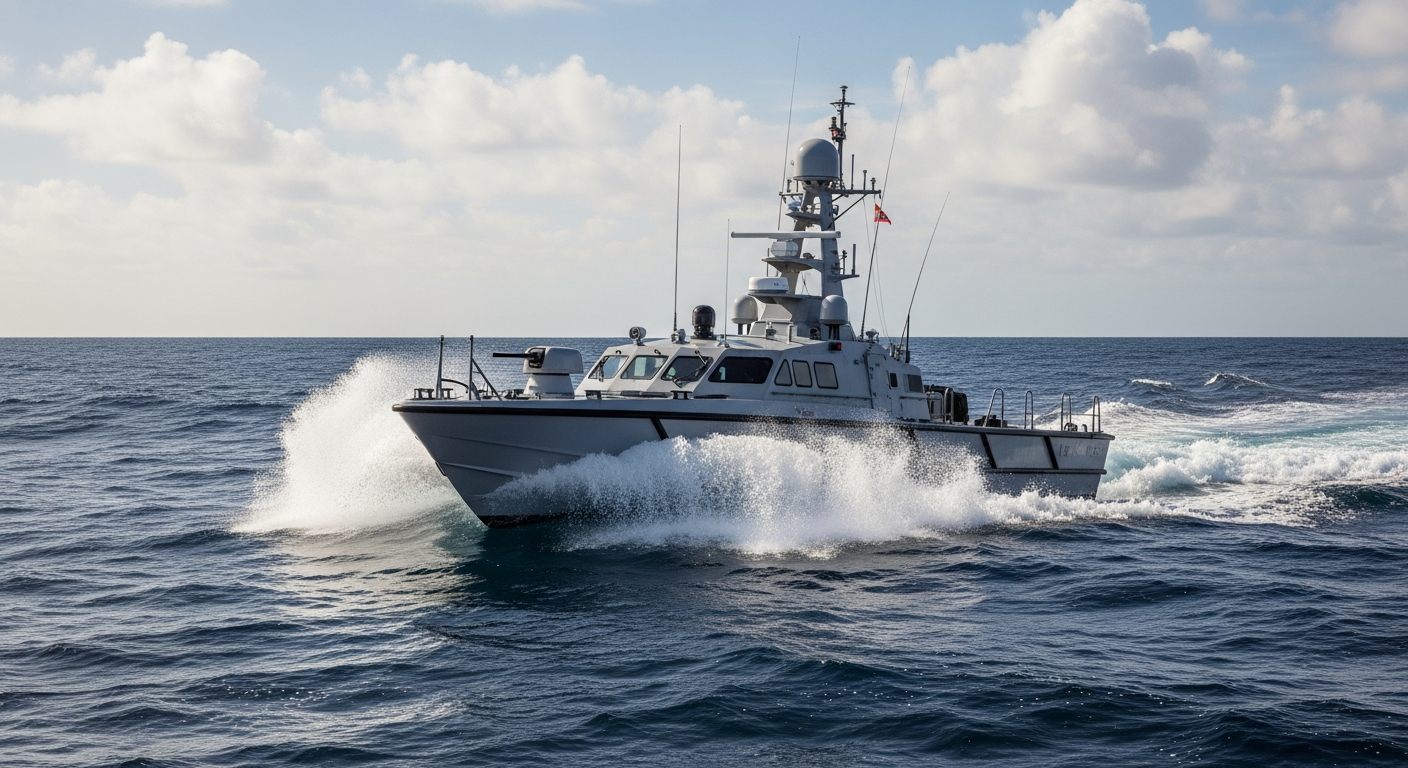
In a decisive action against drug smuggling, Joint Task Force Southern Spear executed a strike on a vessel suspected of transporting narcotics in the Eastern Pacific. This operation, which resulted in the death of three individuals, marks the 65th strike since the initiative began in September 2025. The ongoing commitment to combating drug trafficking highlights the increasing use of unmanned aerial vehicles (UAVs) and other unmanned systems to gather intelligence and support operational effectiveness in maritime law enforcement.
The use of UAVs in these operations has become instrumental for situational awareness and targeting accuracy. Equipped with advanced sensors and surveillance capabilities, these unmanned systems enable forces to monitor illicit activities over vast ocean areas, significantly enhancing the effectiveness of maritime operations. The integration of UAV technology into anti-drug efforts allows for real-time data collection and analysis, which is essential for executing precise strikes while minimizing collateral damage.
This recent strike is part of a broader strategy to disrupt drug trafficking networks that pose threats to national security and public safety. The effectiveness of the Joint Task Force’s approach illustrates the evolving nature of maritime law enforcement, where unmanned systems play a crucial role in shaping operational outcomes. The reliance on UAVs not only strengthens the task force’s capabilities but also underlines the importance of technological advancements in modern military operations.
As the U.S. continues to confront challenges associated with drug trafficking, the integration of unmanned systems into operational frameworks will likely expand. The ongoing development and deployment of UAVs for intelligence, surveillance, and reconnaissance (ISR) will play a pivotal role in addressing these challenges. Furthermore, the lessons learned from these operations will inform future strategies and enhance the effectiveness of joint task forces engaged in similar missions.
In conclusion, the recent strike against a suspected drug boat illustrates the critical role of unmanned systems in modern anti-drug operations. As the U.S. military continues to leverage UAV technology for maritime enforcement, the potential for improved operational effectiveness and security remains significant, paving the way for innovative approaches to combating illicit activities on the high seas.