Air ·
Joint Chiefs Emphasize Role of Autonomous Weapons in Future U.S. Warfare
The U.S. military is prioritizing the integration of autonomous technologies in drones and command-and-control systems, according to the Joint Chiefs chairman.
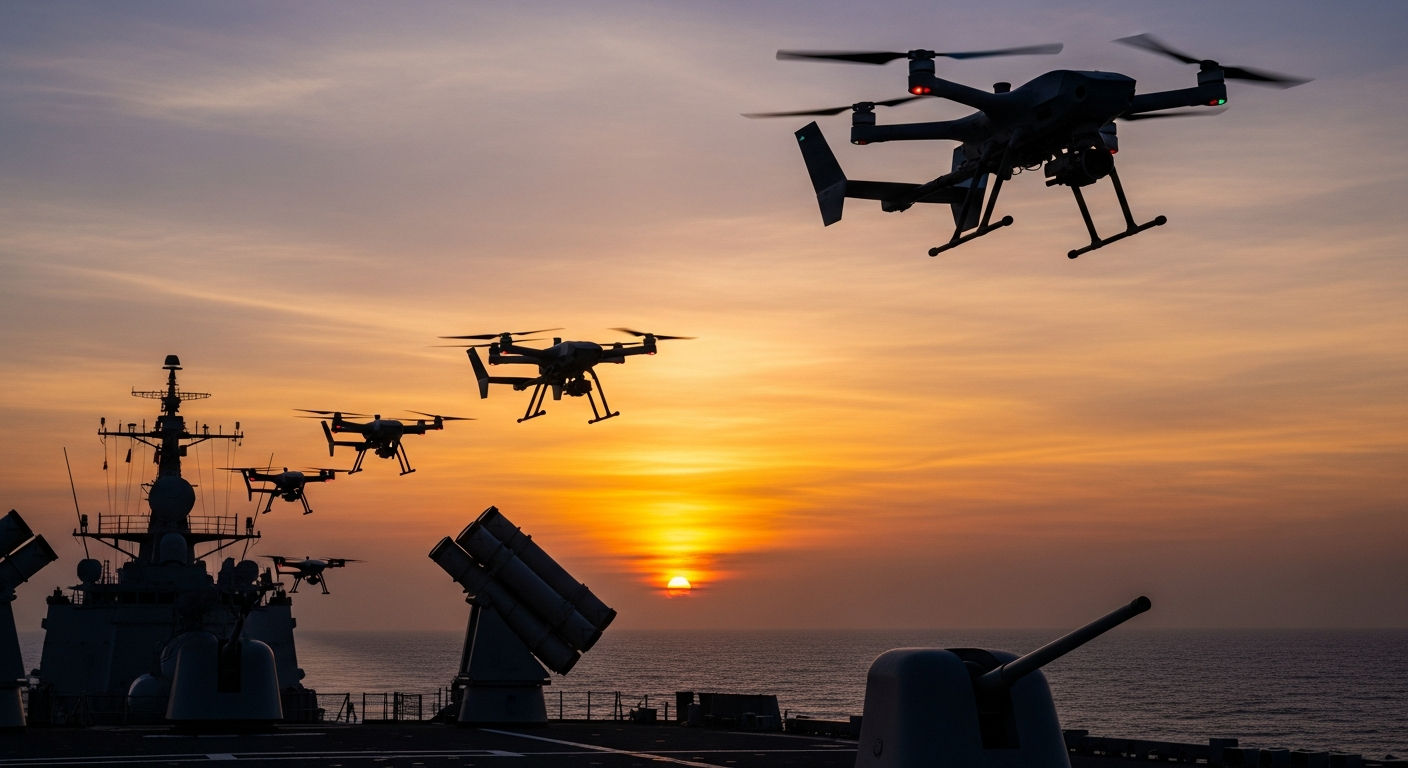
As the landscape of modern warfare continues to evolve, the U.S. military is increasingly focusing on the integration of autonomous technologies into its operational framework. General Dan Caine, the chairman of the Joint Chiefs of Staff, has emphasized that autonomous weapons will play a key role in future U.S. military engagements. This recognition comes in light of advancements in drone technology and artificial intelligence, which are reshaping how military operations are conducted.
The integration of autonomous systems into aerial drones and command-and-control structures offers numerous advantages, including enhanced decision-making capabilities and increased operational efficiency. By leveraging AI and machine learning, these systems can process vast amounts of data in real time, enabling quicker responses to emerging threats on the battlefield. This capability is particularly valuable in high-pressure scenarios where speed and accuracy are paramount.
However, the push for autonomous weapons has also raised concerns among lawmakers and the public regarding ethical and operational implications. Questions surrounding accountability, decision-making in combat situations, and the potential for unintended consequences have prompted calls for policy discussions and regulatory frameworks. As the military explores the future of autonomous warfare, balancing innovation with ethical considerations will be essential.
The Pentagon's commitment to incorporating autonomous technologies extends beyond just drones; it encompasses various aspects of military operations, including logistics, reconnaissance, and even cyber warfare. By investing in research and development in these areas, the U.S. aims to maintain its technological edge over potential adversaries. This strategy underscores the importance of adaptability in an era where technological advancements are rapidly changing the nature of conflict.
In summary, the emphasis on autonomous weapons by the Joint Chiefs reflects a significant shift in military doctrine. As the U.S. military embraces the potential of AI-driven systems, it aims to enhance its operational effectiveness while navigating the complexities of modern warfare. The path forward will require careful consideration of the implications of such technologies and a commitment to responsible innovation.