Air ·
JIATF-401 Invests $500M in Non-Kinetic Counter-UAS Solutions
The Joint Interagency Task Force 401 has awarded CACI a significant contract to enhance non-kinetic counter-unmanned aerial system capabilities.
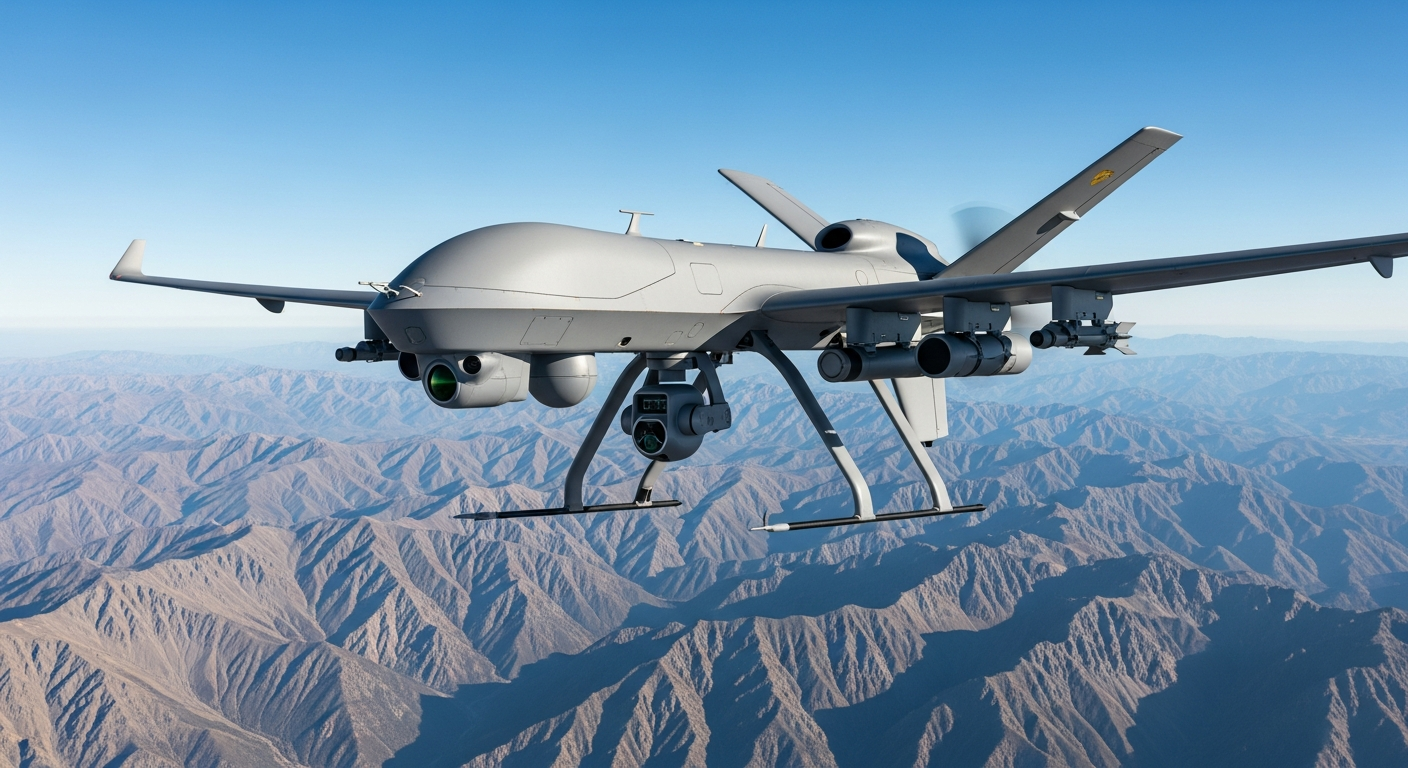
The Joint Interagency Task Force 401 (JIATF-401) has made a substantial commitment to bolster U.S. defenses against the growing threat posed by unmanned aerial systems (UAS) by awarding CACI a $500 million contract. This funding will support the development and implementation of non-kinetic solutions designed to disrupt and neutralize drone threats without resorting to traditional kinetic methods. Such strategies are becoming increasingly vital as drone technology proliferates, enhancing the potential for asymmetric warfare tactics against U.S. forces.
This contract is part of a broader initiative by JIATF-401 to counter UAS threats using advanced technologies that can disable drones through electronic means, such as jamming, spoofing, or other disruptive techniques. The emphasis on non-kinetic systems aligns with a growing recognition within military circles that traditional interception methods may not always be feasible or desirable, especially in densely populated areas or sensitive environments. With this investment, JIATF-401 aims to enhance the operational flexibility and effectiveness of U.S. military operations in contested environments.
Earlier this month, AeroVironment also received a similar $500 million contract from JIATF-401, reflecting a robust investment in counter-UAS technologies by the U.S. defense apparatus. The simultaneous awarding of these contracts indicates a strategic pivot towards a multi-faceted approach to drone warfare, integrating both kinetic and non-kinetic responses to the evolving landscape of aerial threats. As military planners assess the implications of drone warfare, they are increasingly prioritizing the development of systems that can address these threats effectively and ethically.
The focus on non-kinetic capabilities is particularly pertinent given the rapid advancement of drone technology, which has democratized access to aerial capabilities for both state and non-state actors. By investing in non-kinetic solutions, the U.S. military is aiming to stay ahead of potential adversaries who are rapidly adopting and adapting drone technologies. The implications of these developments are significant, as they will shape U.S. military doctrine and operational strategies in the years to come, especially in urban warfare and counter-terrorism operations.
As JIATF-401 continues to expand its counter-UAS capabilities, the integration of these non-kinetic systems with existing military infrastructure will be essential. This will require collaboration across various branches of the military and with industry partners to ensure that new technologies are effectively implemented and operationalized in the field. The ongoing evolution of drone warfare necessitates an agile response from the U.S. military, and this investment is a critical step in ensuring that the armed forces are prepared for the challenges of tomorrow.
In conclusion, JIATF-401's recent contracts with CACI and AeroVironment underscore a significant shift in U.S. defense strategy, prioritizing the need for innovative solutions to combat the multifaceted threats posed by unmanned systems. The focus on non-kinetic approaches not only reflects the reality of modern warfare but also positions the U.S. military to operate effectively in complex and contested environments.