Land ·
Japan's Unmanned AAV Development: Enhancing Amphibious Operations
The Japanese Ministry of Defense has unveiled plans for a new unmanned amphibious armored vehicle (AAV) aimed at improving maritime operations.
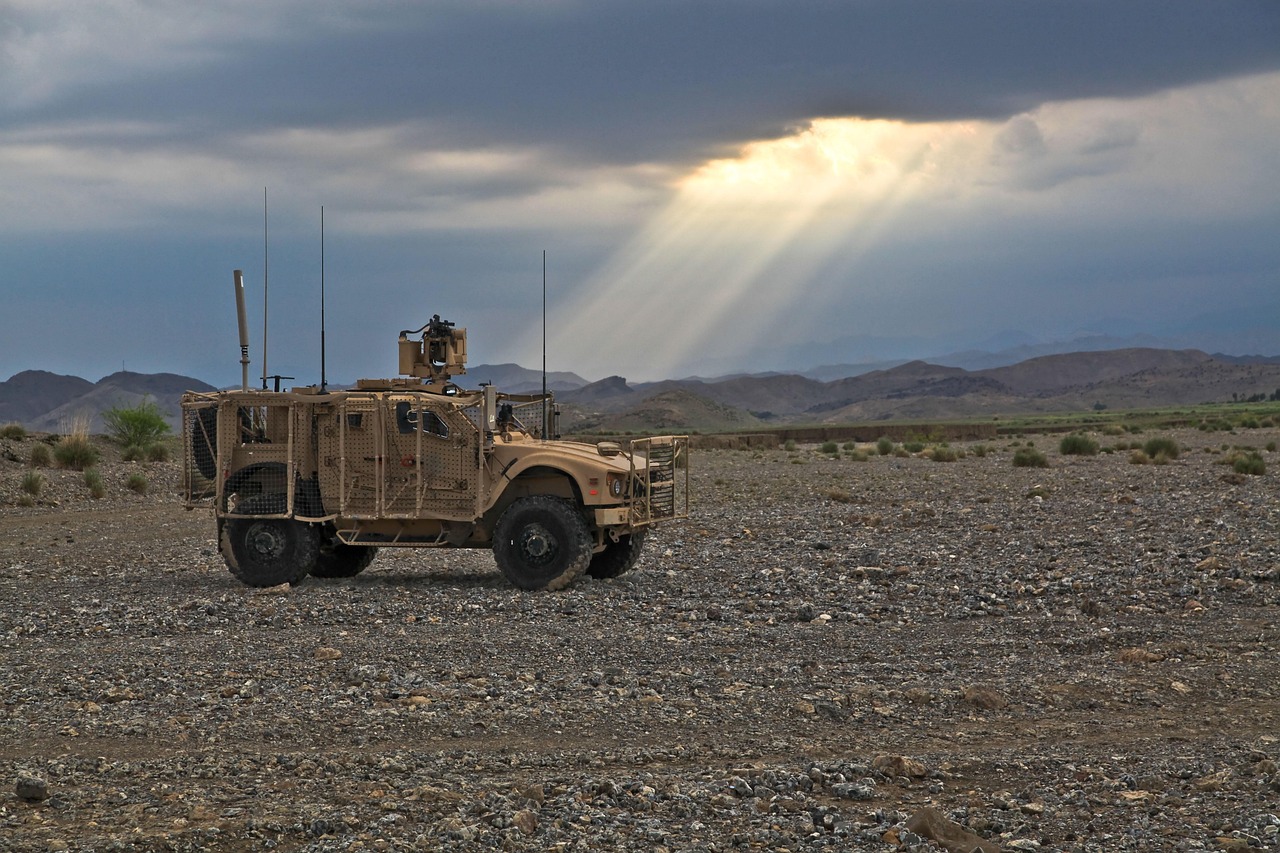
Japan is making strides in military innovation with its development of a domestically produced unmanned amphibious armored vehicle (AAV), designed to enhance its amphibious operational capabilities. The initiative, which commenced in 2024, has recently revealed detailed performance characteristics that align with Japan's evolving security landscape. As regional tensions rise, particularly in light of maritime disputes, this development is timely and strategic.
The unmanned AAV is expected to facilitate a range of missions, from logistics support to direct engagement in combat scenarios. By integrating advanced technologies into its design, Japan aims to create a versatile platform that can operate effectively in various environments, including coastal and riverine areas. This approach is reflective of Japan's broader strategy to bolster its self-defense forces and enhance their operational readiness in response to potential threats in the region.
Moreover, the focus on unmanned systems underscores a significant shift in military philosophy, embracing technological advancements to compensate for manpower limitations. The development of this AAV aligns with Japan's commitment to enhancing its defense posture while also fulfilling its obligations as a security partner in the Indo-Pacific region. Collaborations with allies, including the United States, could further enhance the capabilities of this unmanned system, providing interoperability and shared technological advancements.
As Japan continues to innovate in the realm of unmanned vehicles, the implications for its future military operations are considerable. The AAV's ability to operate autonomously could reduce risks to personnel in high-threat environments while also increasing the efficiency of amphibious operations. This is particularly relevant given the complex and contested nature of maritime operations in the Asia-Pacific region.
In conclusion, Japan's development of an unmanned amphibious armored vehicle represents a significant advancement in its military capabilities. As it seeks to enhance its maritime operations and respond to evolving security challenges, this initiative could play a critical role in Japan's defense strategy, fostering greater resilience and adaptability in the face of future conflicts.