Naval ·
Japan Expands Defense Capabilities with New Extended-Range Missiles and Underwater Drone Modules
Japan's ambitious $55 billion defense budget request includes plans for extended-range missiles and advanced underwater drone systems.
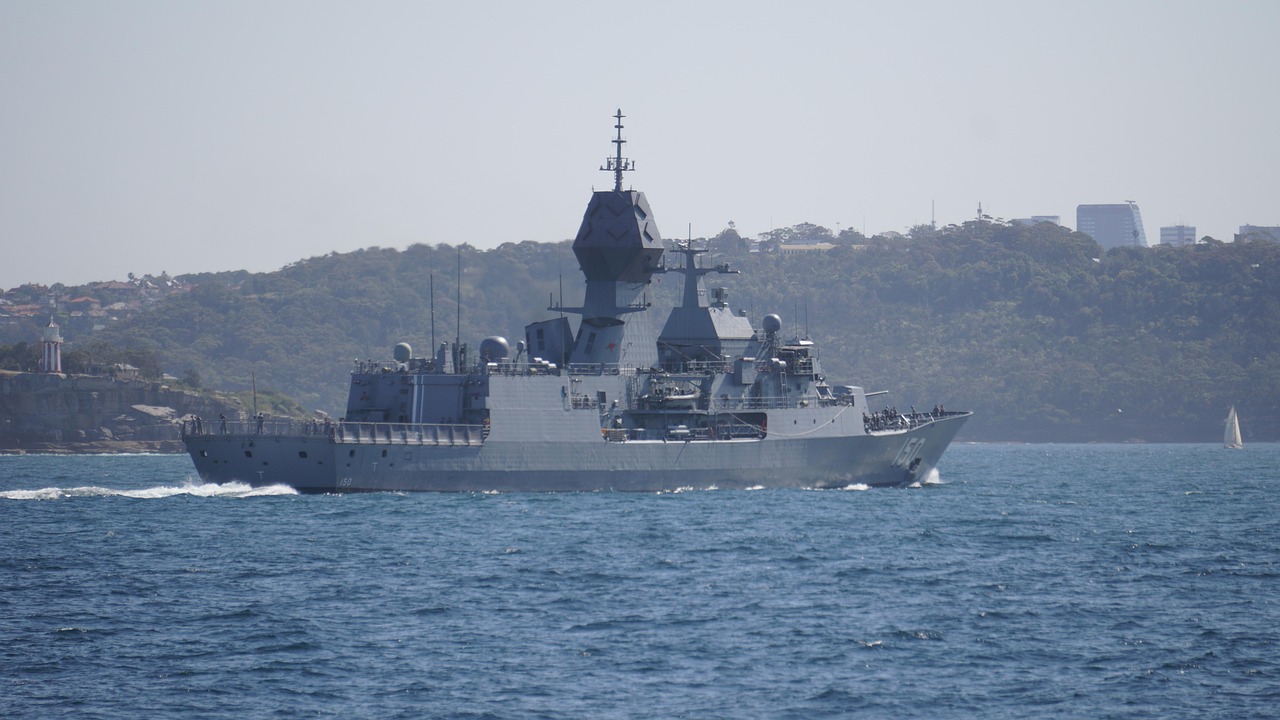
In a significant shift towards enhancing its military capabilities, Japan has outlined a $55 billion defense budget request for the upcoming year, focusing on the procurement of new extended-range missiles, submarine-launched missiles, and missile modules for underwater drones. This move comes in response to the evolving security environment in the Asia-Pacific region, particularly concerning North Korean missile threats and increasing Chinese military activities in the East China Sea.
The proposed extended-range missiles are expected to bolster Japan's deterrence capabilities, allowing the Self-Defense Forces to strike targets at greater distances. This is particularly critical as Japan seeks to address potential threats from regional adversaries while also aligning its military capabilities more closely with those of the United States. The development and integration of submarine-launched missiles will further enhance Japan's strategic options by allowing for stealthier operational capabilities.
In addition to traditional missile systems, Japan's focus on underwater drones reflects a growing recognition of the importance of unmanned systems in modern warfare. By investing in missile modules for these drones, Japan aims to create a more flexible and responsive maritime defense posture. This is particularly relevant given the increasing complexity of naval engagements, where unmanned systems can provide vital intelligence, surveillance, and reconnaissance (ISR) capabilities without risking human lives.
Japan's defense budget request not only highlights its commitment to strengthening national security but also indicates a broader trend of military modernization seen across the region. As neighboring countries ramp up their defense spending and capabilities, Japan's proactive approach may serve as a stabilizing force in an increasingly volatile geopolitical landscape. This budget proposal will also require careful consideration by lawmakers, as Japan balances the need for enhanced military readiness with public sentiment regarding defense spending.
Overall, Japan's planned enhancements to its military capabilities, particularly through the integration of advanced missile systems and unmanned underwater drones, signify a strategic pivot towards a more robust defense posture that is responsive to contemporary threats. As the situation evolves, Japan's partnerships with allies like the U.S. will play a crucial role in shaping its defense strategies moving forward.