Land ·
Italy's Rejection of U.S. Weapon Aid Scheme Reflects European Defense Dynamics
Italy has declined a U.S. aid scheme aimed at purchasing weapons for Ukraine, highlighting shifts in European defense priorities.
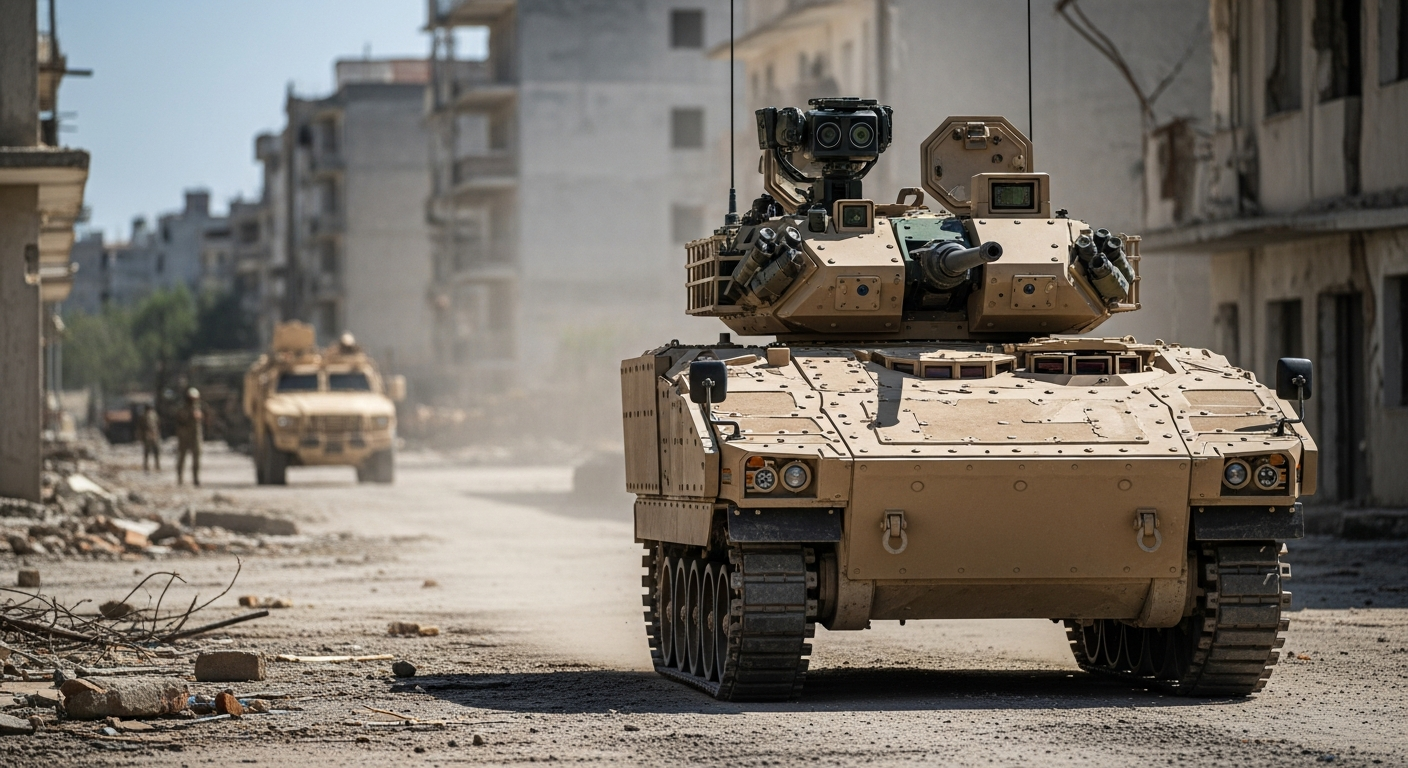
Italy has made headlines by rejecting a U.S. aid initiative aimed at facilitating the purchase of American weapons for Ukraine's defense. This decision signals a noteworthy shift in European defense dynamics as nations assess their roles and responsibilities in supporting Ukraine amidst the ongoing conflict with Russia. The U.S. has been actively pushing for NATO allies to bolster Ukraine's military capabilities, particularly through air defense systems, but Italy's stance may reflect broader concerns about reliance on external military support and the intricacies of defense procurement processes.
The Prioritized Ukraine Requirements List (PURL) mechanism, established by NATO, has reportedly enabled the acquisition of crucial air-defense systems. However, Italy's refusal to engage with this scheme suggests a reevaluation of how European nations approach defense spending and collaboration. The decision could stem from a desire to prioritize domestic defense projects or a strategic assessment of Italy's military needs in the context of European security.
As the conflict in Ukraine continues, the implications of Italy's decision may extend beyond bilateral relations with the U.S. and could influence other NATO allies' approaches to supporting Ukraine. Countries within the alliance will likely be weighing their options, balancing national interests with collective defense commitments. Italy's rejection may also instigate discussions on the necessity of a more unified European defense strategy, emphasizing self-reliance and enhanced cooperation among European nations.
This situation raises questions about the future of defense procurement in Europe, particularly concerning the integration of unmanned systems into military arsenals. As European countries look to enhance their military capabilities, there may be a growing emphasis on developing indigenous defense technologies, including UAVs and UGVs, to reduce dependency on external suppliers. The evolution of Europe's defense landscape will be critical as nations navigate these complex challenges while maintaining the security and stability of the region.
In conclusion, Italy's rejection of the U.S. aid scheme sheds light on the evolving dynamics within European defense, prompting reconsideration of how countries support Ukraine and each other in times of crisis. As the landscape changes, the integration of advanced unmanned systems will play a crucial role in shaping the future of European military capabilities.