Air ·
Iran's Drone Strike on U.S. Army Helicopter Highlights Growing UAV Threat
An Iranian drone strike has caused significant damage to a U.S. Army CH-47F Chinook helicopter in Kuwait, raising concerns over drone warfare tactics.
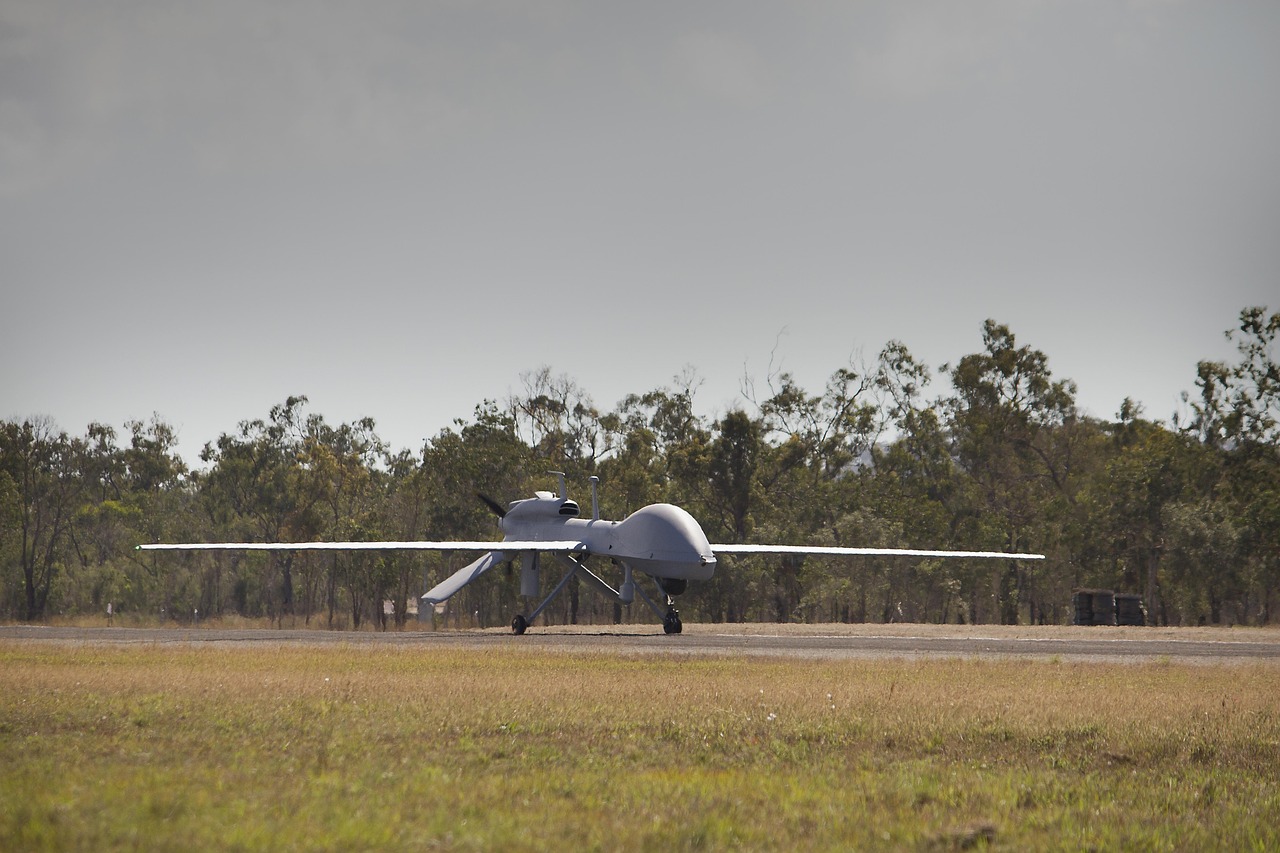
A recent incident at Camp Buehring in Kuwait has underscored the increasing threat posed by Iranian drone technology, as a U.S. Army CH-47F Chinook transport helicopter was heavily damaged in what appears to be a one-way drone strike. This attack highlights the evolving landscape of drone warfare, where adversaries are employing unmanned systems to target high-value assets with precision and effectiveness. The implications of this strike extend beyond the immediate damage, raising important questions about the vulnerability of military assets in the face of advanced drone capabilities.
The CH-47F Chinook is a vital component of U.S. Army logistics and troop transport operations, and its compromise signifies a potential shift in operational risk assessments. As drone technology becomes increasingly accessible, adversaries like Iran are likely to adopt more aggressive tactics, posing significant challenges for military planners. This incident serves as a reminder that traditional defense measures may need to be reevaluated to counter the evolving drone threat.
Furthermore, the incident at Camp Buehring illustrates the broader implications of drone warfare on military strategy. As drones become a favored tool for asymmetric warfare, U.S. forces must adapt their tactics and strategies to mitigate the risks associated with UAV attacks. This may involve enhancing counter-drone systems, improving situational awareness, and developing robust response protocols to safeguard personnel and equipment in contested environments.
The Iranian strike not only highlights the immediate operational challenges faced by U.S. forces in the region but also signifies the need for continuous investment in drone detection and countermeasure technologies. As the battlefield landscape transforms with the integration of drones, military forces must remain vigilant and prepared to adapt to new threats that could emerge from this rapidly evolving domain.