Air ·
Iran's Drone Attack on Kuwait Heightens Regional Tensions
Iran's recent drone strike on Kuwait has escalated tensions in the Gulf, prompting U.S. defensive operations.
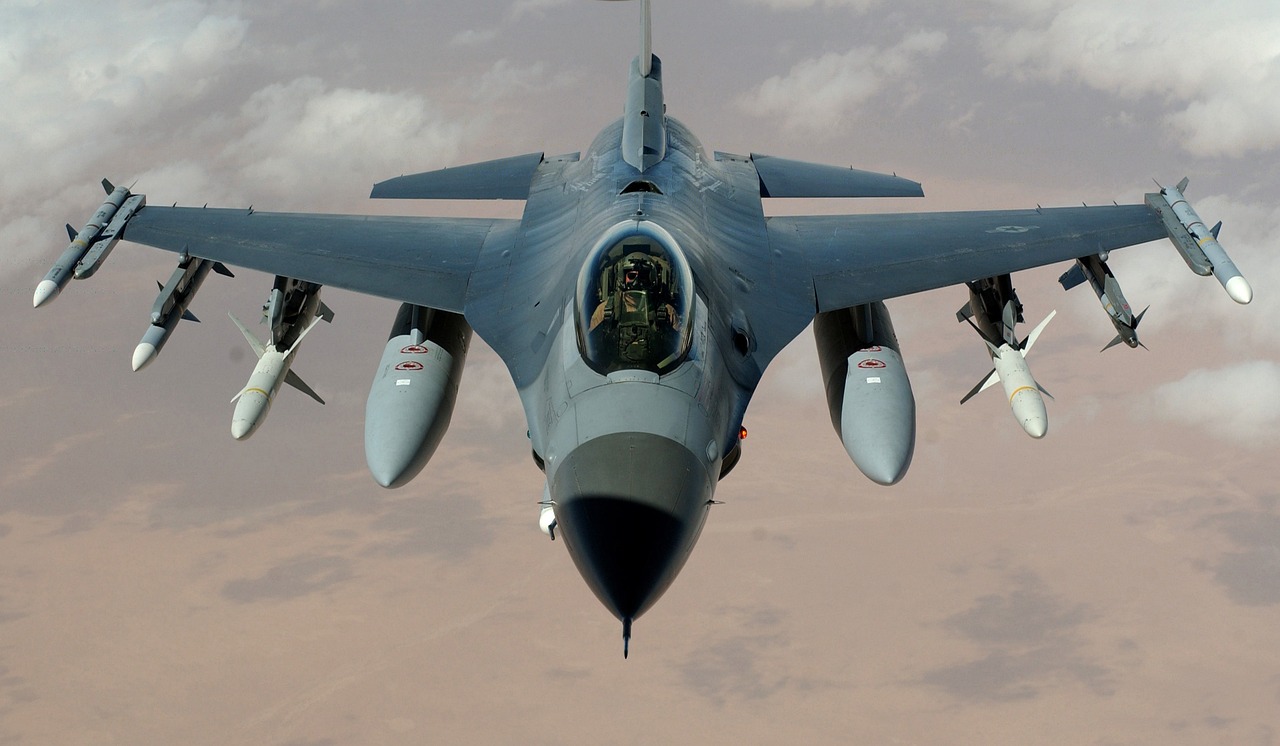
Recent developments in the Gulf have escalated tensions following an Iranian drone strike that targeted Kuwait airport, resulting in the death of one individual. This incident underscores the growing role of unmanned systems in regional conflicts and the potential for rapid escalation in hostilities. The use of drones in such attacks indicates a shift in warfare dynamics, where state and non-state actors leverage UAV technology for strategic purposes.
In response to the drone strike, the U.S. Central Command (CENTCOM) conducted defensive operations in southern Iran, aiming to deter further aggressions. This military response reflects the U.S. commitment to maintaining stability in the region and protecting its allies from aerial threats. The strategic use of drones by Iran raises concerns about the potential for similar attacks against other neighboring nations, further complicating an already volatile security landscape.
The implications of this incident extend beyond immediate military responses; it highlights the urgent need for effective counter-drone measures among regional allies. As adversaries like Iran continue to employ drones for asymmetric warfare, countries in the Gulf must enhance their air defense systems to detect and neutralize such threats. This includes investing in advanced technologies and improving intelligence-sharing mechanisms to respond more effectively to UAV incursions.
Moreover, this situation underscores the importance of international cooperation in addressing drone proliferation and its implications for regional security. Collaborative efforts among nations to establish norms and agreements regarding the use of drones in warfare could help mitigate the risks associated with their deployment. As the technology continues to evolve, ensuring responsible use while safeguarding national interests will be paramount.
In conclusion, the Iranian drone attack on Kuwait serves as a stark reminder of the changing nature of warfare in the region. The increasing reliance on unmanned systems by adversarial forces necessitates a reevaluation of defense strategies among Gulf nations and their allies. As tensions rise, the need for robust counter-drone capabilities and international cooperation becomes more critical than ever.