Naval ·
Iran's Ambitious Plans to Reverse-Engineer Captured US Underwater Drone
Iran is expected to attempt reverse-engineering a captured US underwater drone, a move that could have significant implications for its unmanned systems capabilities.
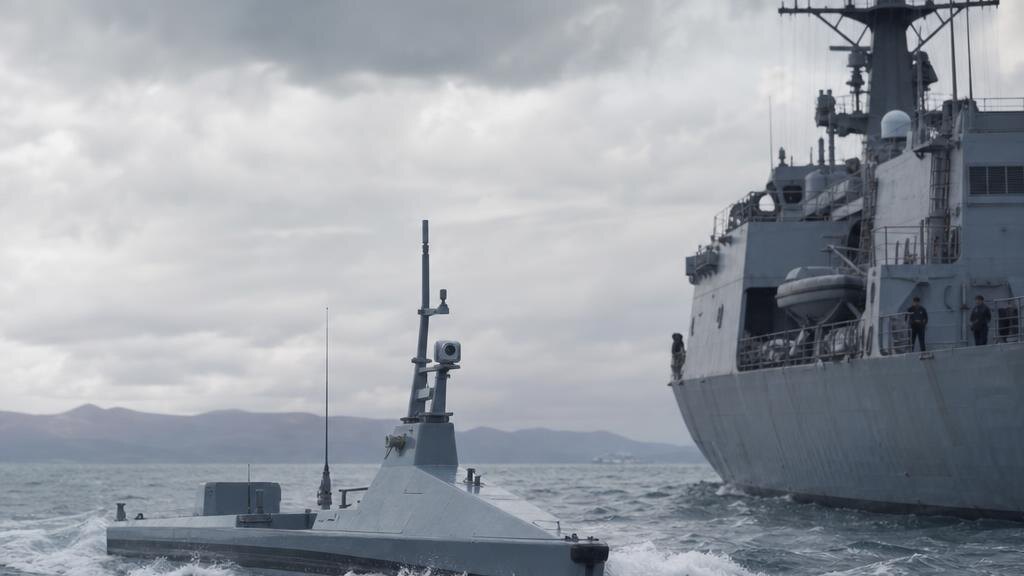
Iran's recent acquisition of a US underwater drone has raised concerns in the defense community, with analysts predicting that the Iranian military will attempt to reverse-engineer the captured technology. The drone in question, believed to be a vehicle designed for intelligence-gathering missions, is equipped with sophisticated hardware and software that may provide Iran with insights into US naval capabilities.
While the hardware may be accessible for disassembly, experts caution that the drone's software is likely fortified with various built-in defenses to prevent unauthorized access and manipulation. This raises the stakes for Iranian engineers, who may face significant challenges in deciphering the complexities of the drone's software architecture, which includes protective measures against reverse engineering.
Iran's efforts to enhance its unmanned underwater vehicle (UUV) capabilities align with its broader aspirations to develop advanced military technologies. By studying the captured drone, Iran aims to expedite its own UUV programs, which could lead to enhanced surveillance and reconnaissance capabilities in the Persian Gulf and surrounding waters. Such advancements could also pose increased risks to US and allied naval operations in the region.
The implications of this development extend beyond the immediate military context, as Iran's advancements in unmanned systems could shift the balance of power in the region. As Tehran seeks to bolster its asymmetric warfare capabilities, the potential integration of new drone technologies could complicate the operational landscape for the US Navy and allied forces. This situation underscores the ongoing technological arms race in unmanned systems, where each advancement by one nation prompts responses and countermeasures from others.
Ultimately, the situation reflects the growing importance of unmanned systems in modern warfare, as nations like Iran invest in technologies that can enhance their military effectiveness without the need for traditional manpower. The battle for dominance in the underwater domain is just one facet of a broader trend in which unmanned vehicles are reshaping the future of military engagements.