Air ·
Iranian Military Strikes Highlight Vulnerabilities in U.S. Drone Operations
Recent Iranian military strikes have underscored vulnerabilities in U.S. drone operations, prompting a reevaluation of strategies and defenses.
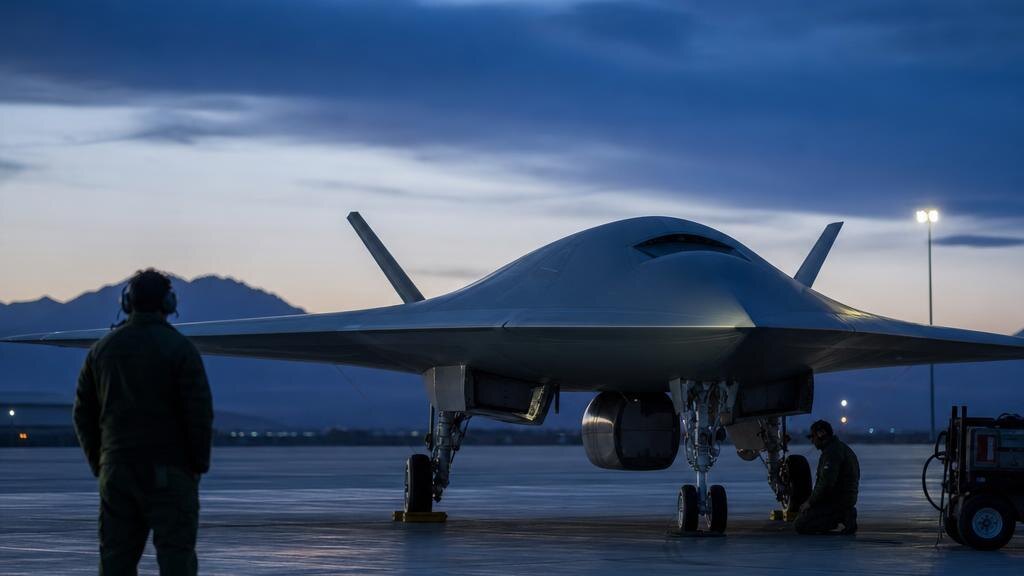
Recent Iranian military strikes have raised significant concerns regarding U.S. drone operations and the vulnerabilities inherent in current military protocols. As reported by Pentagon watchdogs, these strikes have inflicted damage on hundreds of U.S. military buildings and dozens of aircraft, including unmanned aerial vehicles. This situation has prompted military leaders to reassess the effectiveness of their current drone defense strategies.
The Iranian strikes serve as a stark reminder of the evolving threat landscape where drones are increasingly used not just for reconnaissance, but also for offensive operations. The damage reported suggests that U.S. forces must reevaluate their air defense systems, particularly those designed to counter UAV threats. This includes assessing the capabilities of existing counter-drone technologies and the need for enhanced protective measures around critical assets.
Moreover, the reliance on drones for both intelligence gathering and combat roles means that their vulnerability can have far-reaching implications for operational success. Military leaders must consider how to better integrate unmanned systems with traditional manned platforms to create a more resilient defense posture. This integration would enable a multi-layered approach to both offensive and defensive operations, ensuring that vulnerabilities are minimized.
In light of these developments, the U.S. military may need to explore advanced technologies such as artificial intelligence and enhanced sensor systems to bolster its counter-drone capabilities. By leveraging these technologies, the military could improve its ability to detect, track, and neutralize enemy drones before they can cause significant damage. This technological evolution is essential to maintaining operational superiority in a rapidly changing conflict environment.
In conclusion, the Iranian military strikes have highlighted critical vulnerabilities in U.S. drone operations, prompting a necessary reevaluation of strategies and defenses. As the landscape of modern warfare continues to evolve, ensuring the resilience of unmanned systems will be vital for future military operations. The lessons learned from these incidents will shape the development of more robust countermeasures and integrated operational strategies moving forward.