Naval ·
Iranian Drone Threats Escalate in the Strait of Hormuz
Recent attacks on U.S. Navy destroyers by Iranian forces have heightened tensions in the Strait of Hormuz, showcasing the growing role of drones in asymmetric warfare.
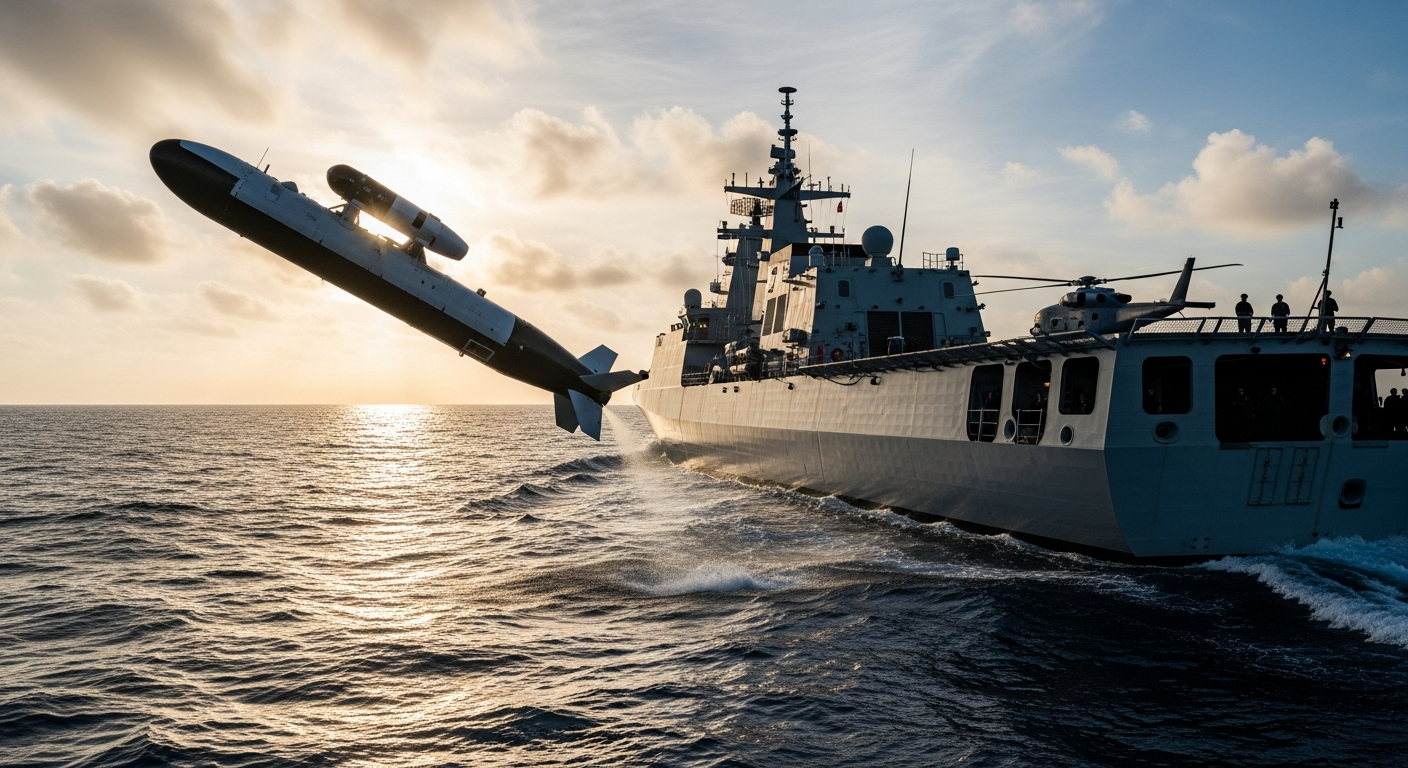
The Strait of Hormuz has become a focal point for rising tensions between the U.S. and Iran, particularly following recent incidents where Iranian forces targeted three U.S. Navy destroyers—USS Mason (DDG-87), USS Rafael Peralta (DDG-115), and USS Truxton (DDG-103)—with missiles, drones, and small boats. These provocations underline the critical role unmanned aerial vehicles (UAVs) play in Iran's military strategy, enabling them to engage U.S. naval assets while minimizing risk to personnel.
Iran has been rapidly developing its drone capabilities, utilizing them for reconnaissance and strike missions. The use of drones allows Iran to project power in a region where traditional naval engagement would be costly. The recent attacks serve as a reminder of how UAVs can be employed effectively in asymmetric warfare, challenging conventional military responses from larger forces like the United States.
The U.S. Navy's response to these drone threats has involved increased surveillance and readiness in the region. This situation also highlights the need for enhanced drone detection and counter-drone technologies to protect naval assets. As the U.S. Navy navigates these threats, it may need to consider integrating more advanced unmanned systems into its operational framework to counter similar drone attacks in the future.
Moreover, the engagements in the Strait of Hormuz reflect a larger trend of drone warfare becoming a primary tool for states looking to exert influence without direct confrontation. As Iran continues to enhance its drone capabilities, it may inspire other regional actors to adopt similar strategies, further complicating the security landscape in the Middle East. The implications of drone warfare are profound, as they shift the dynamics of naval engagements and necessitate new strategies for deterrence and defense in contested waters.