Naval ·
Iranian Aggression in the Strait of Hormuz: A New Era for Naval Drone Warfare
Recent tensions in the Strait of Hormuz have seen Iranian forces engage U.S. Navy destroyers with missiles and drones, raising concerns about maritime security and the role of unmanned systems.
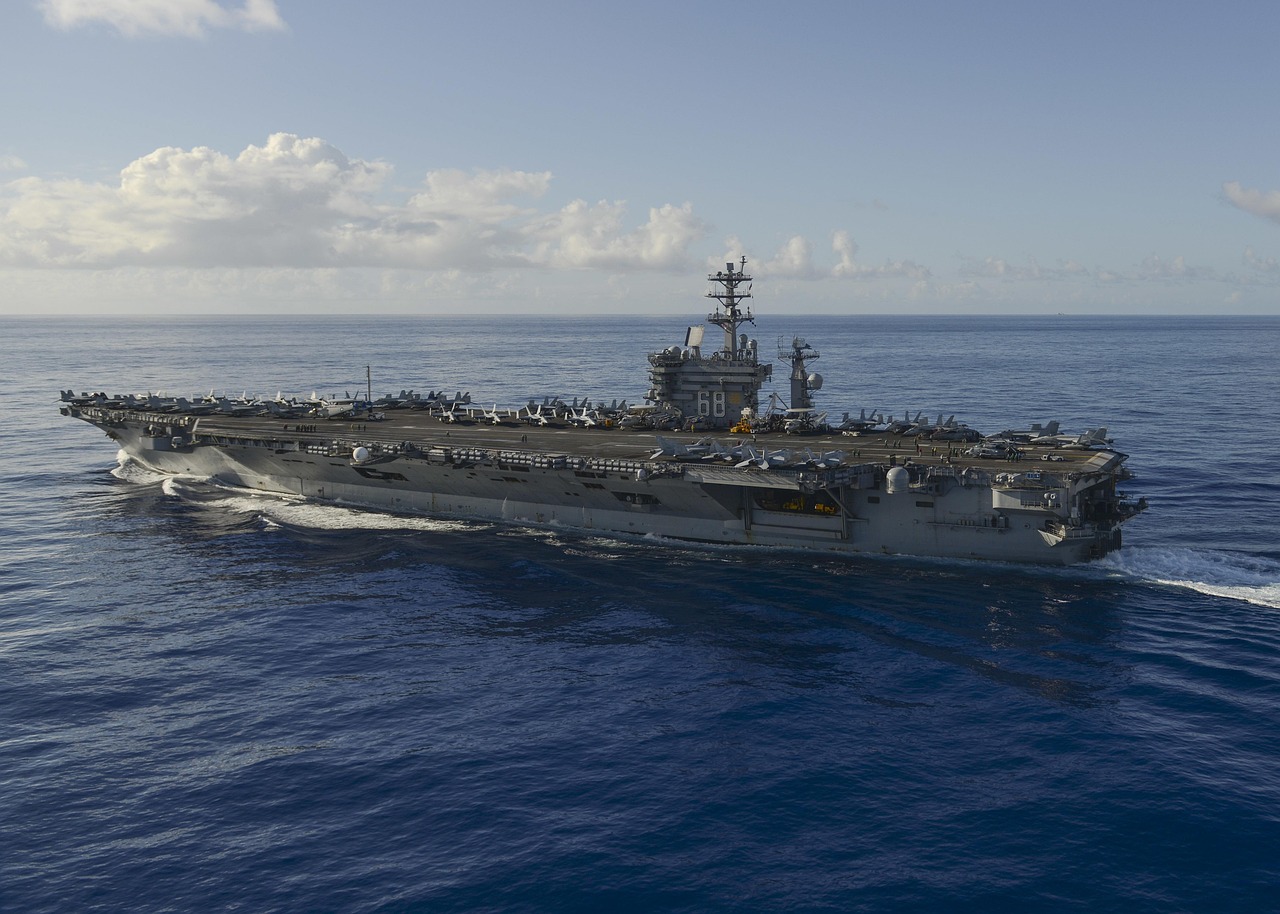
The Strait of Hormuz, a critical chokepoint for global oil shipments, has once again become a flashpoint for military tensions. In a recent confrontation, three U.S. Navy destroyers—USS Mason (DDG-87), USS Rafael Peralta (DDG-115), and USS Truxton (DDG-103)—came under fire from Iranian forces. This incident involved not only conventional missiles but also drones and small boats, indicating a shift towards more asymmetric warfare strategies where unmanned systems play a pivotal role in naval engagements.
Iran's use of drones in this scenario underscores the growing importance of unmanned aerial vehicles (UAVs) in modern naval confrontations. Drones can provide real-time intelligence and strike capabilities with reduced risk to personnel. The Iranian military has increasingly integrated UAVs into its operations, utilizing them to harass and monitor U.S. naval movements in the region. This reliance on drones presents a challenge for traditional naval forces, which must adapt to the evolving battlefield where unmanned systems can quickly alter the dynamics of engagement.
The U.S. Navy has recognized the necessity of adapting its strategies to counteract threats posed by unmanned systems. In response to these changing tactics, forces in the region might increase their use of counter-drone technology, including advanced electronic warfare measures and interceptor systems designed to neutralize UAV threats. The ability to effectively counter Iranian drones will be crucial for maintaining freedom of navigation in the Strait of Hormuz and safeguarding commercial shipping traffic.
As unmanned systems continue to shape the landscape of military operations, the potential for conflict escalation remains high. The presence of U.S. Navy destroyers in the area serves as both a deterrent and a target, highlighting the complexity of maintaining a balance of power in a region fraught with tension. The reliance on drones by Iran not only complicates military strategy but also adds layers of risk for international maritime operations, which depend heavily on secure passage through strategic waterways.
Looking forward, it is clear that the evolution of naval warfare will increasingly involve unmanned systems. Both U.S. and Iranian forces will continue to develop their capabilities, which may lead to an arms race in drone technology in the maritime domain. As nations around the world invest in naval unmanned systems, the Strait of Hormuz will likely remain a critical testing ground for these technologies, making it essential for military planners to stay ahead of these developments.