Air ·
Innovative Solutions Needed as Iran Receives New Chinese Missile Systems
Iran is expected to receive a shipment of Chinese-made shoulder-launched missile systems, raising concerns over regional security dynamics.
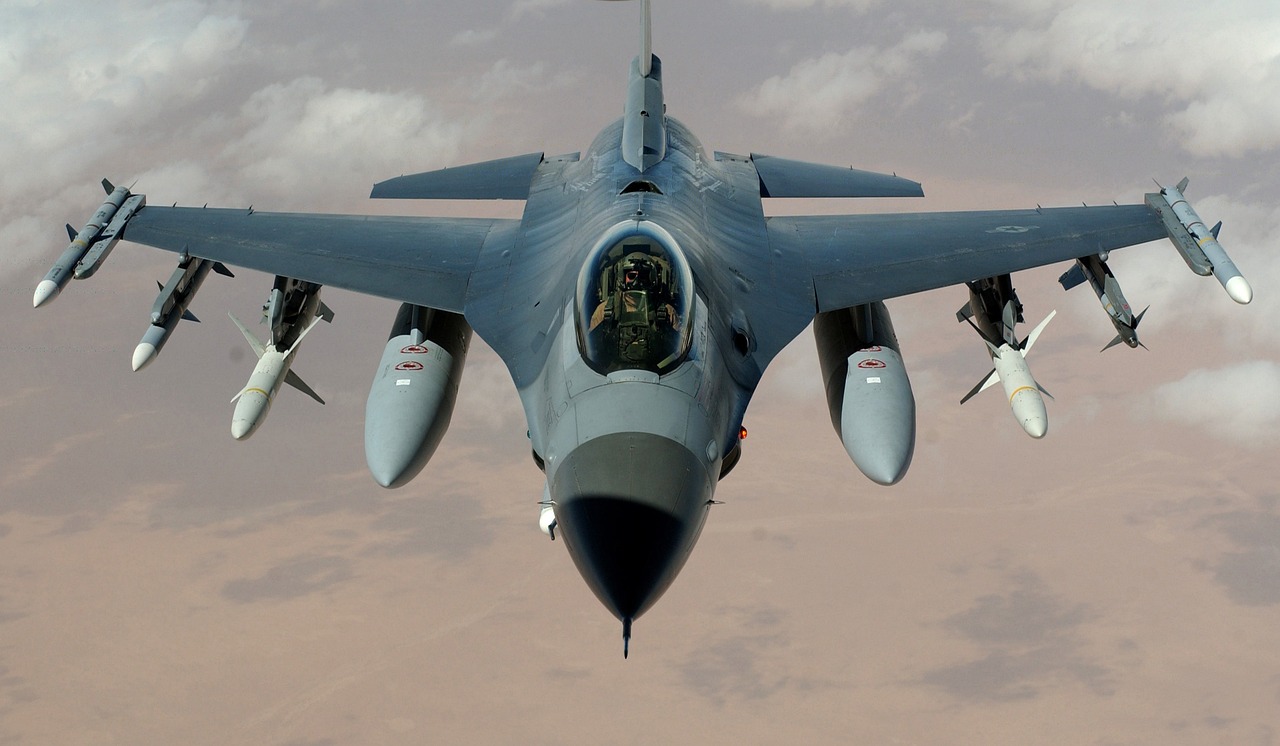
Recent reports indicate that Iran is set to receive a shipment of up to 400 Chinese-made shoulder-fired missile systems within weeks. This development poses significant implications for regional security dynamics, particularly concerning air defense capabilities. These shoulder-launched systems are designed to target various aerial threats, potentially enhancing Iran’s ability to counter U.S. and allied air operations in the region.
The introduction of advanced missile systems into Iran’s arsenal raises alarms among U.S. military planners and intelligence agencies. The enhanced air defense capabilities could enable Iran to more effectively defend its airspace against both manned and unmanned aerial threats. This situation underscores the importance of vigilance and preparedness as the U.S. and its allies assess the evolving threat landscape in the Middle East.
In response to these developments, the U.S. military has been investing heavily in its own air defense capabilities, including the modernization of systems like the Patriot missile. The ability to counter emerging threats from advanced missile systems and drones is paramount for maintaining air superiority in the region. As adversaries continue to acquire sophisticated weapons, the U.S. military must ensure its air defense strategies remain robust and adaptive.
Moreover, the proliferation of advanced missile systems in Iran reflects a broader trend of increasing military cooperation between Iran and China. This partnership not only provides Iran with access to advanced technology but also enables the exchange of military tactics and strategies. Such developments complicate the security environment for U.S. forces, necessitating a reassessment of air defense strategies to counter diverse and evolving threats.
In conclusion, the impending delivery of Chinese shoulder-launched missile systems to Iran highlights the need for the U.S. military to remain proactive in its air defense capabilities. As regional dynamics shift, ensuring that defensive systems are capable of countering both traditional and asymmetric threats will be essential to maintaining strategic stability in the region.