Air ·
India to Enhance Air Defense with Expanded Drone Capabilities
India is set to bolster its air defense inventory, including the acquisition of advanced drones alongside Russian S-400 systems, reflecting its commitment to modern warfare.
In a strategic move to enhance its military capabilities, India plans to augment its air defense systems, particularly focusing on the procurement of additional Russian S-400 missile systems. This decision comes on the heels of last year’s brief but intense conflict with Pakistan, which underscored the need for robust air defense solutions. The S-400, known for its advanced tracking and targeting capabilities, is expected to play a crucial role in India's defense posture against aerial threats.
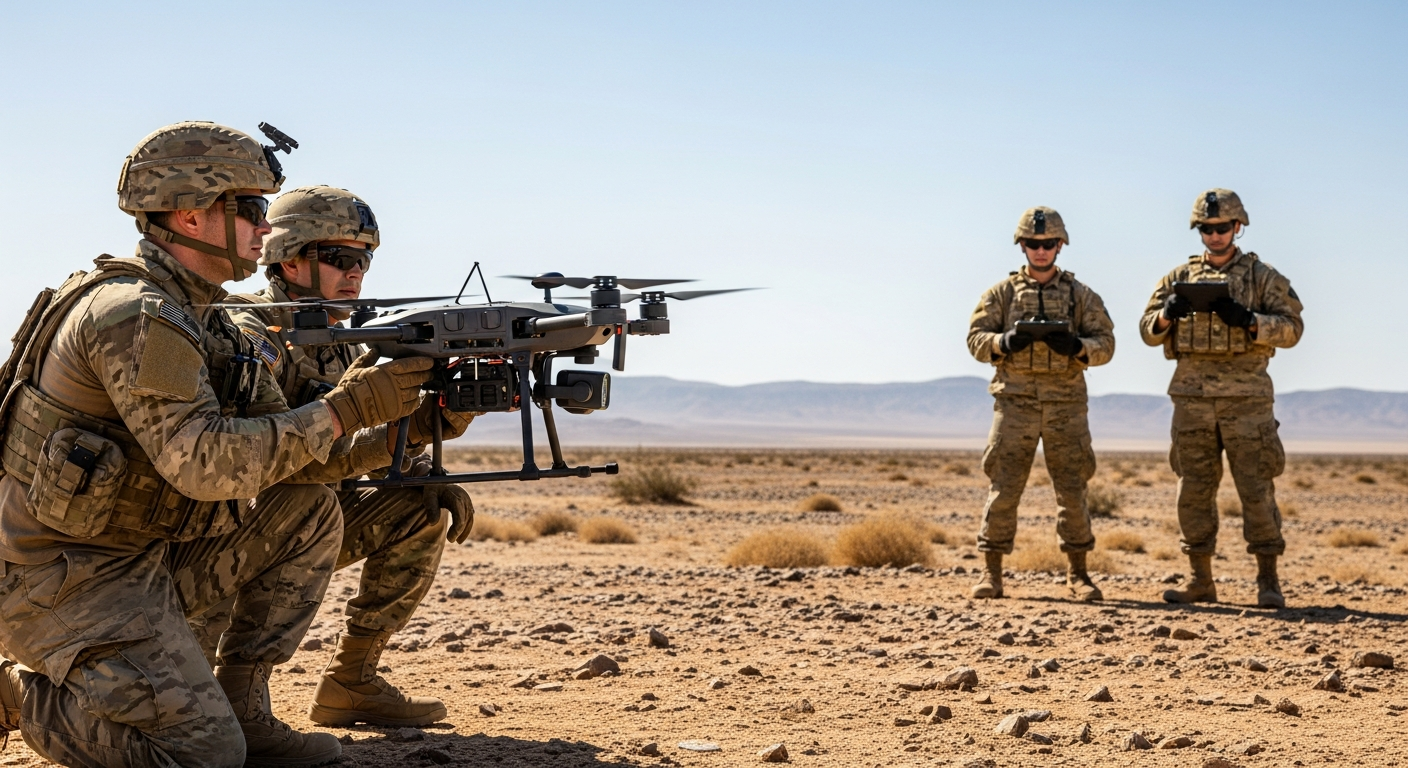
Alongside the S-400 acquisition, India is also prioritizing the integration of unmanned aerial vehicles (UAVs) into its military operations. Drones have emerged as vital assets in modern warfare, offering enhanced reconnaissance, strike capabilities, and intelligence-gathering functionalities. This expansion is part of India's broader effort to modernize its armed forces, ensuring that they remain competitive in a rapidly evolving geopolitical landscape.
The Indian military has been increasingly focused on developing its indigenous drone capabilities, with programs aimed at producing advanced UAVs to meet operational requirements. The push for drone technology is not only about augmenting air defense but also about ensuring that Indian forces can conduct comprehensive surveillance and maintain operational readiness in contested environments. As tensions in the region persist, the integration of advanced drones will likely provide India with a significant tactical advantage.
Furthermore, the use of UAVs in conjunction with systems like the S-400 may enhance India's layered defense strategy. By combining traditional air defense assets with modern unmanned systems, India can create a more resilient and adaptable defense network capable of countering diverse aerial threats. This integrated approach is essential, considering the growing sophistication of adversaries' aerial capabilities, including the proliferation of drones and missile technology.
As India moves forward with these acquisitions, it will be crucial to monitor how these advancements impact the regional security dynamics, particularly in relation to Pakistan and China. Both nations are also investing heavily in their military capabilities, including drone technology, which could lead to an arms race in the region. Thus, India's proactive stance in enhancing its air defense and drone capabilities is a significant development that could reshape the strategic landscape in South Asia.