Air ·
IAI and Sig Sauer Test Fire Storm 250: A New Era for Armed Drones
Israel Aerospace Industries and Sig Sauer have successfully tested the Fire Storm 250, a vertical-takeoff drone equipped with advanced targeting capabilities, marking a significant advancement in armed drone technology.
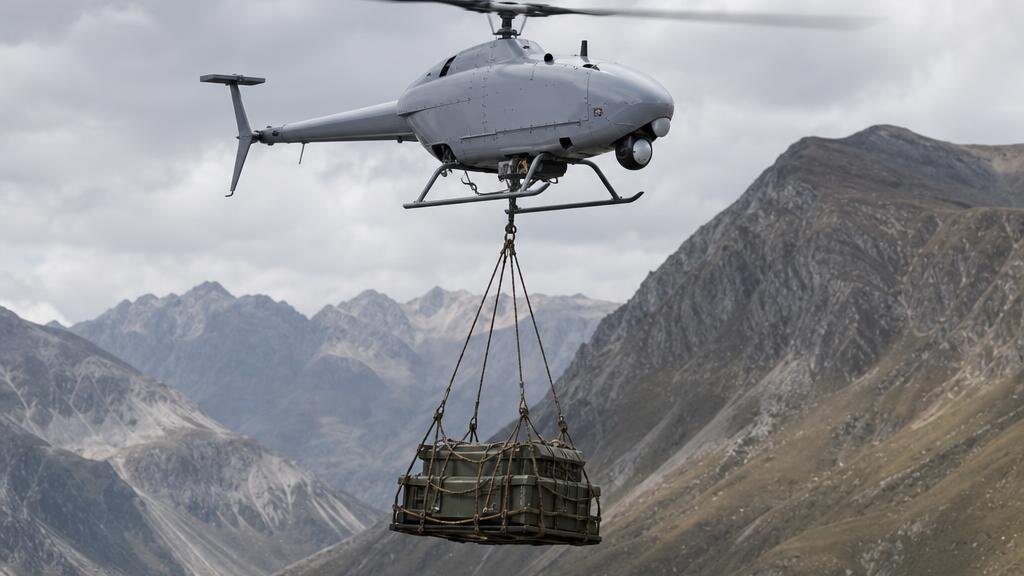
In a noteworthy development in the realm of unmanned aerial vehicles (UAVs), Israel Aerospace Industries (IAI) and Sig Sauer have completed a live-fire test of the Fire Storm 250, a vertical-takeoff and landing (VTOL) drone armed with the M250 machine gun. This test, which showcased the drone's ability to hover over a simulated battlefield, accurately identify targets with its onboard camera, and engage them in both single-shot and semi-automatic modes, represents a significant leap in the capabilities of armed drones.
The Fire Storm 250 is designed to address the growing need for precision strike capabilities in modern warfare, particularly in environments where traditional air support may be constrained by weather or enemy air defenses. Its VTOL design allows it to operate in confined spaces, making it suitable for urban combat scenarios where maneuverability and the ability to quickly engage targets are paramount. This capability is particularly relevant as urban warfare continues to dominate military engagements, necessitating systems that can adapt to complex environments while delivering accurate firepower.
IAI's Fire Storm 250 is part of a broader trend in the defense industry towards integrating advanced technology into unmanned systems. The drone is equipped with sophisticated sensors and targeting systems that enhance its operational effectiveness. This integration allows for real-time data processing and decision-making, which is crucial in dynamic combat environments. The ability to analyze and act on battlefield data swiftly can provide a tactical advantage, enabling forces to respond to threats more effectively than traditional platforms.
The significance of this development extends beyond mere technical specifications. As military forces around the globe increasingly adopt unmanned systems, the capability to deploy armed drones like the Fire Storm 250 may redefine engagement strategies. The ability to conduct precision strikes with minimal risk to personnel could lead to a shift in operational doctrines, emphasizing the role of drones in force multiplication and tactical flexibility. This transformation could also influence how ground troops interact with aerial support, potentially leading to more integrated operations between manned and unmanned systems.
However, the introduction of armed drones also raises critical ethical and operational questions. The use of UAVs in combat scenarios has sparked debates about accountability and the potential for collateral damage. As these systems become more prevalent, military leaders and policymakers must grapple with the implications of their use, particularly in urban settings where civilian populations are nearby. The challenge lies in ensuring that the precision offered by drones does not come at the cost of increased civilian casualties, which could undermine the legitimacy of military operations and lead to broader geopolitical repercussions.
Additionally, the effectiveness of the Fire Storm 250 and similar systems will depend heavily on the robustness of their communication and control systems. In an era where electronic warfare capabilities are advancing rapidly, ensuring secure and reliable command and control links is paramount. Any disruption to these systems could render such drones ineffective or, worse, turn them against their operators. This vulnerability highlights the importance of investing in resilient communication technologies and countermeasures to safeguard against potential adversarial tactics aimed at disrupting drone operations.
Moreover, as countries like Israel continue to innovate in drone technology, there is a risk that adversaries will seek to develop countermeasures. This could lead to an arms race in drone capabilities and counter-drone technologies, complicating the operational landscape further. The Fire Storm 250, while advanced, will likely need continuous upgrades and adaptations to maintain its edge in an evolving battlefield. The dynamic nature of technological advancements in warfare means that staying ahead of potential threats will require ongoing research and development efforts.
As the defense sector witnesses an increased focus on autonomous systems, the testing of the Fire Storm 250 underscores the importance of collaboration between defense contractors. IAI and Sig Sauer’s partnership highlights the synergies that can be achieved when companies combine their expertise in unmanned systems and weaponry. This collaboration could serve as a model for future initiatives aimed at enhancing military capabilities through technological innovation. The pooling of resources and knowledge can accelerate the development of cutting-edge solutions that meet the complex demands of modern warfare.
Looking ahead, the successful testing of the Fire Storm 250 raises several questions. How will military organizations integrate such UAVs into their existing frameworks? What protocols will be established to govern their use, especially in terms of engagement rules and accountability? As these drones become operational, their impact on combat strategies and outcomes will need to be closely monitored and assessed. The integration of armed drones like the Fire Storm 250 into military arsenals will undoubtedly shape future conflicts, and understanding their implications will be critical for military planners and policymakers alike.
In conclusion, the Fire Storm 250 represents a significant milestone in the evolution of armed drone technology, combining advanced targeting systems with the operational flexibility of VTOL capabilities. As military forces increasingly turn to UAVs for combat operations, the implications of this technology will extend beyond the battlefield, influencing strategic planning, ethical considerations, and international military dynamics. The ongoing development and deployment of such systems will require careful consideration of their potential impacts, ensuring that advancements in technology align with the principles of responsible warfare.