Air ·
Honeywell and Odys Aviation Collaborate on Airborne Counter-UAS System
Honeywell and Odys Aviation have partnered to develop a new airborne counter-unmanned aerial systems (C-UAS) program, integrating advanced detection and interception technologies.
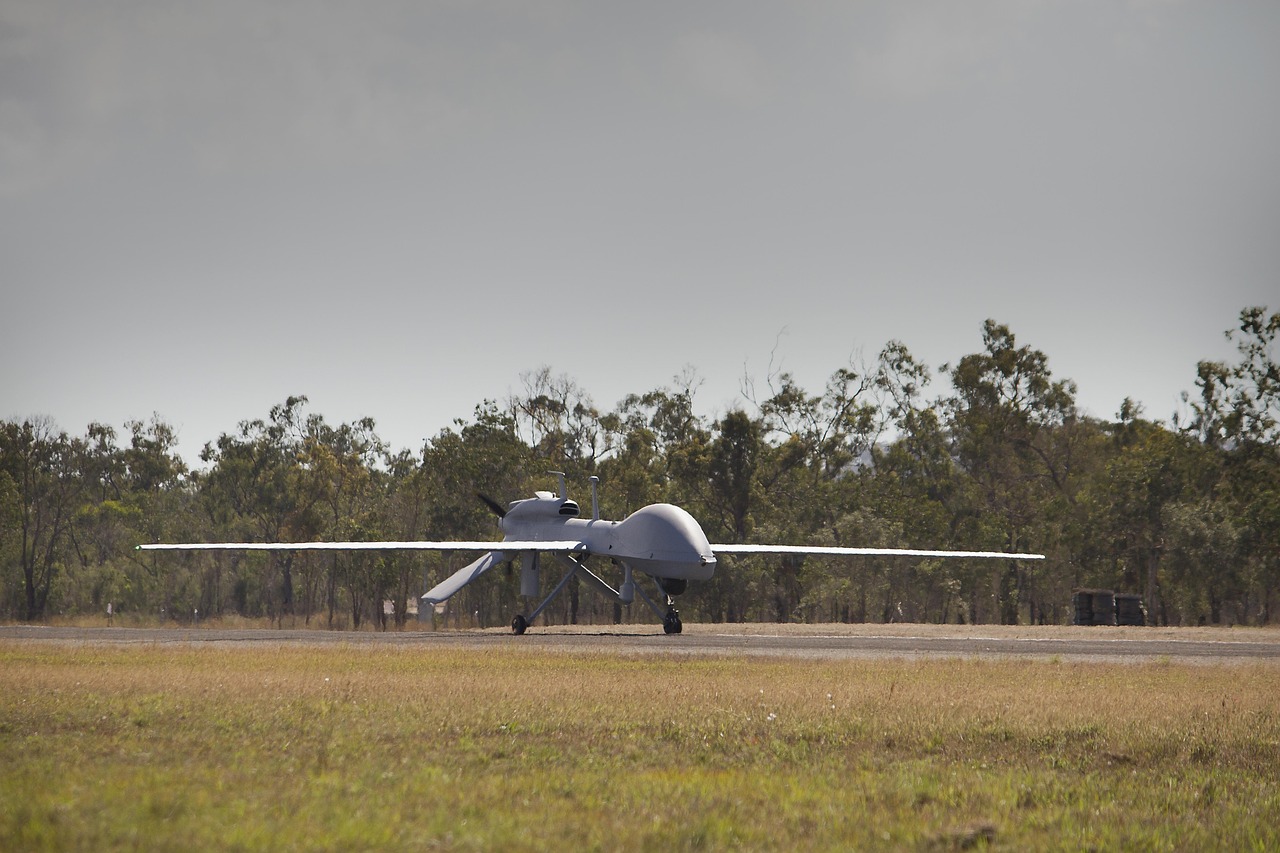
In a significant advancement for counter-drone operations, Honeywell has announced a collaboration with Odys Aviation to enhance its capabilities in defending against unmanned aerial threats. This initiative will combine Honeywell's Stationary and Mobile UAS Reveal and Intercept (SAMURAI) system with Odys Aviation's innovative Laila aircraft. The SAMURAI system is designed to detect, identify, and intercept drones in real-time, providing a robust response to the increasing threat posed by hostile UAVs.
The integration of the SAMURAI system with the Laila aircraft marks a pivotal step in airborne C-UAS development. The Laila, known for its agility and advanced flight capabilities, will serve as a platform to deploy Honeywell’s cutting-edge technology in various operational environments. This partnership aims to create a versatile solution that can be deployed across multiple military and civilian applications, further expanding the operational scope of drones in counter-UAS missions.
Counter-drone technology is becoming increasingly essential, particularly as drone attacks have proliferated globally. Military forces and critical infrastructure sectors are recognizing the need for sophisticated measures to mitigate risks from hostile drones. By leveraging the capabilities of both Honeywell and Odys, this new program aims to enhance situational awareness and response times in scenarios where drone threats are present.
As the use of drones continues to evolve, so too must the strategies for countering them. This collaboration signifies a forward-thinking approach to air defense, focusing on proactive measures rather than reactive responses. The potential applications of this technology extend beyond military use, possibly addressing challenges faced by law enforcement and private security sectors in protecting sensitive areas from unauthorized drone activities.
In conclusion, the Honeywell and Odys Aviation partnership represents a strategic effort to enhance airborne C-UAS capabilities, reinforcing the necessity of advanced technology in modern defense scenarios. With the integration of these systems, the future of air defense against unmanned aerial threats looks promising, potentially setting new standards in the industry.