Naval ·
HII and MetalCraft Marine Deliver USV Prototypes to U.S. Marine Corps
The U.S. Marine Corps receives two prototypes of the ROMULUS-25 unmanned surface vessel, enhancing its naval operations capabilities.
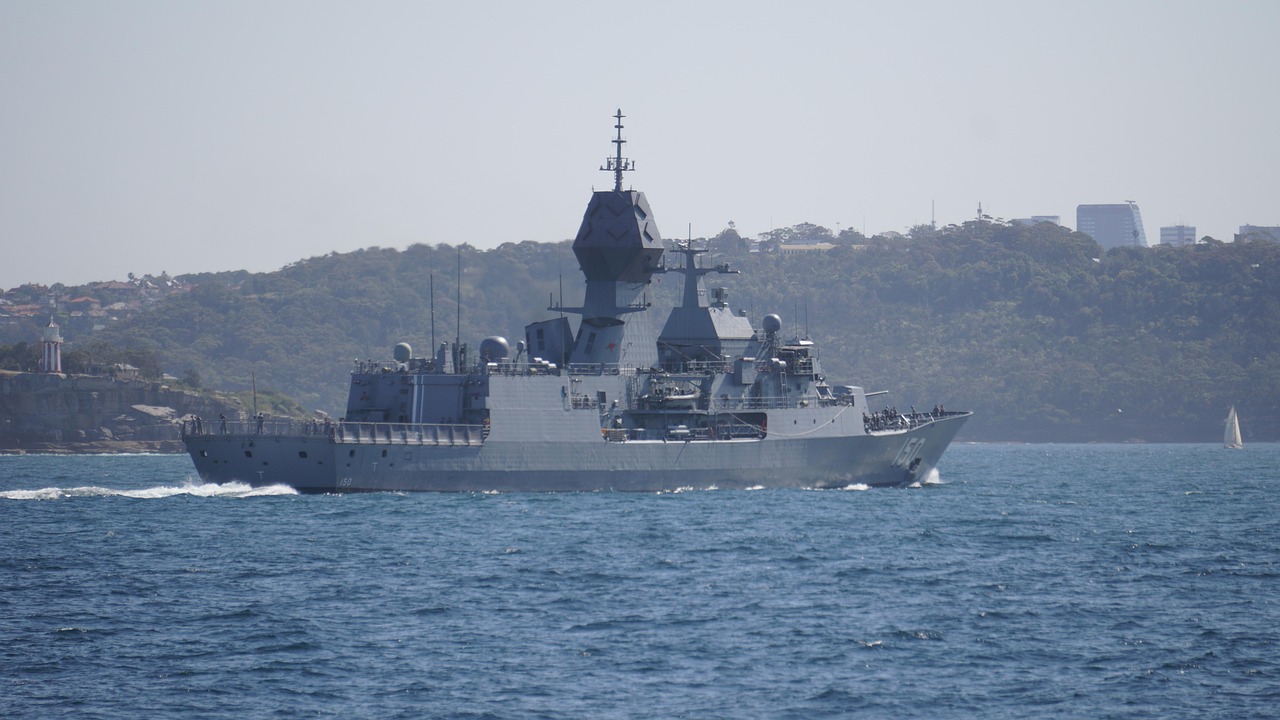
HII, in collaboration with MetalCraft Marine, has successfully delivered two prototypes of the ROMULUS-25 unmanned surface vessel (USV) to the U.S. Marine Corps. This effort is part of a Defense Innovation Unit (DIU) contract aimed at providing smaller, more versatile autonomous boats for a range of naval missions. The ROMULUS-25 is designed to enhance the Marine Corps' operational capabilities, particularly in areas such as surveillance, reconnaissance, and mine countermeasures.
The introduction of the ROMULUS-25 represents a significant advancement in the use of unmanned systems within the U.S. Navy and Marine Corps. These USVs are equipped with cutting-edge technology that enables them to operate autonomously in various maritime environments, thereby reducing the risk to human personnel during high-stakes operations. Their ability to perform tasks such as reconnaissance and intelligence gathering makes them invaluable assets in modern naval warfare.
In addition to their autonomous capabilities, the ROMULUS-25 prototypes are designed with adaptability in mind. They can be modified for different mission profiles, including anti-submarine warfare and mine detection, making them highly versatile tools in the U.S. military's maritime arsenal. The ongoing development and testing of these vessels are expected to generate insights that will inform future iterations and enhancements of USV technology.
One of the key advantages of integrating USVs like the ROMULUS-25 into naval operations is their potential to operate in contested environments where manned vessels may be vulnerable. By deploying these unmanned vessels, the Marine Corps can extend its reach and maintain operational effectiveness without exposing crewed ships to unnecessary risks. This capability is especially crucial in regions with heightened tensions or potential adversarial threats.
As the U.S. military continues to invest in unmanned technologies, the successful delivery of the ROMULUS-25 prototypes marks a notable step towards a more integrated and technologically advanced naval force. The versatility and autonomy of these USVs will likely reshape how the Marine Corps conducts operations at sea, paving the way for future innovations in maritime warfare.