Naval ·
HD Hyundai and Anduril Demonstrate Advanced USV Autonomy
Recent collaborative demonstrations by HD Hyundai and Anduril highlight significant advancements in unmanned surface vessel (USV) operations, showcasing the integration of innovative autonomy technologies.
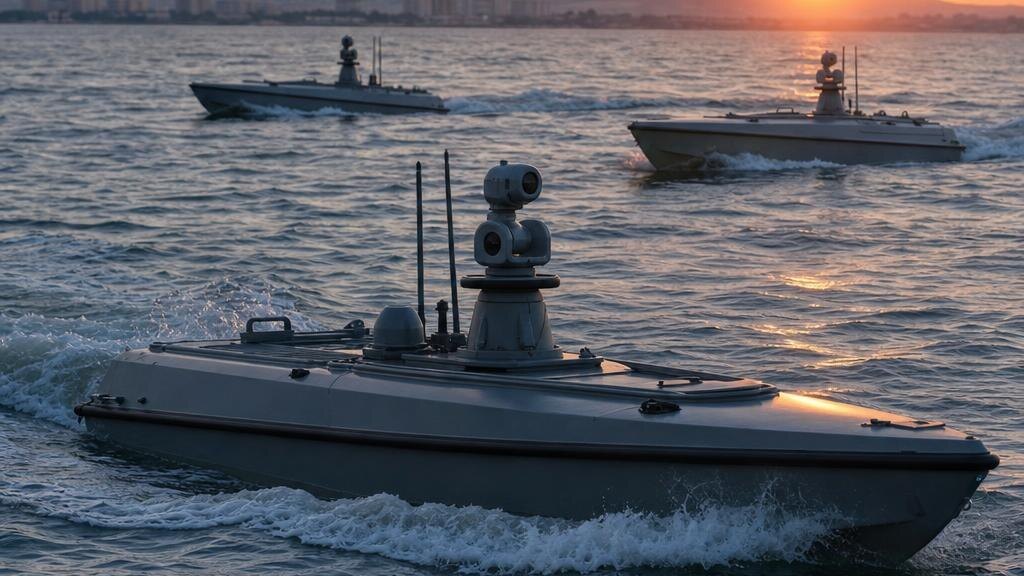
On October 19, 2026, HD Hyundai and Anduril Industries successfully demonstrated integrated operations of their unmanned surface vessels (USVs) off the coast of California. This demonstration, which involved the VAone ship platform and Lattice mission software, marks a crucial step forward in enhancing the operational capabilities of maritime unmanned systems. The integration of these technologies aims to improve the performance and usability of USVs in various naval operations, from surveillance to combat scenarios.
The VAone, a versatile USV developed by HD Hyundai, is designed for a range of missions, including intelligence, surveillance, reconnaissance (ISR), and anti-submarine warfare. By combining this platform with Anduril's Lattice software, the two companies aim to equip the USV with advanced autonomous capabilities that can significantly reduce the need for human intervention during operations. This integration could enable the USV to perform complex tasks autonomously, such as navigating through contested waters, detecting threats, and executing missions with minimal oversight. Such capabilities are increasingly vital as naval engagements become more complex and multifaceted, requiring vessels that can operate effectively in diverse environments.
The significance of this demonstration goes beyond mere technological advancement; it also highlights the growing reliance on unmanned systems in modern naval warfare. As military forces around the world face increasing threats from advanced adversaries, the ability to deploy USVs that can operate independently or in tandem with crewed vessels becomes a strategic necessity. The U.S. Navy, in particular, has been exploring the potential of USVs to augment its fleet capabilities, especially in the context of the Indo-Pacific region, where maritime tensions are high. This strategic focus underscores the need for innovative solutions that can enhance situational awareness and operational flexibility in a rapidly evolving maritime landscape.
However, the operationalization of such technologies is not without its challenges. One of the main concerns surrounding USV operations is the issue of cybersecurity. As these vessels become more autonomous and interconnected, they may also become more vulnerable to cyberattacks that could compromise their mission integrity. Ensuring robust cybersecurity measures will be essential as militaries increasingly adopt these systems. Experts suggest that as reliance on unmanned systems grows, so too must the sophistication of defensive measures to protect against potential threats. This includes not only protecting the vessels themselves but also securing the communication networks that facilitate their operations, which are critical for maintaining operational integrity in contested environments.
Additionally, the integration of USVs into existing naval operations raises questions about command and control. The Navy will need to develop new doctrines and protocols to effectively incorporate these unmanned systems into joint operations with crewed vessels. This will require training personnel to work alongside USVs and ensuring that communication systems can handle the demands of both human and unmanned operators. The challenge lies in creating a seamless operational environment where human operators can effectively manage and coordinate with autonomous systems, particularly in dynamic combat scenarios. This necessitates a reevaluation of traditional command structures and the development of new tactics that leverage the unique strengths of both manned and unmanned platforms.
The successful demonstration of the VAone and Lattice integration also underscores the importance of public-private partnerships in advancing military technology. By collaborating with private firms like Anduril, defense contractors can leverage innovative solutions that may not be feasible within traditional military procurement processes. This approach can accelerate the development of advanced capabilities that meet the evolving needs of naval forces. Such collaborations are increasingly seen as essential in a rapidly changing technological landscape, where agility and innovation are paramount. The partnership exemplifies how the defense sector can benefit from the agility and creativity of the private sector, particularly in areas such as software development and system integration.
Moreover, the growing interest in USVs reflects a broader trend in defense spending, where nations are increasingly investing in unmanned systems to enhance their military capabilities. Countries around the world are recognizing the strategic advantages of deploying USVs, which can operate in high-risk environments without risking the lives of crew members. As a result, we can expect to see more nations pursuing similar technologies, potentially leading to a competitive landscape in unmanned maritime systems. This trend may also spur advancements in related fields, such as artificial intelligence and machine learning, which are critical for the development of autonomous systems. The integration of such technologies will likely enhance the decision-making capabilities of USVs, allowing them to adapt to changing operational conditions in real-time.
In conclusion, the collaboration between HD Hyundai and Anduril marks a significant milestone in the evolution of unmanned surface vessels. As the U.S. Navy and other military organizations look to integrate these systems into their operational frameworks, the ongoing development of USV technologies will play a crucial role in shaping the future of naval warfare. The successful demonstration not only showcases the potential of USVs but also highlights the need for continued investment in autonomous maritime technologies to maintain strategic advantages in an increasingly complex maritime domain. This event serves as a reminder of the rapid pace of innovation in defense technology and the importance of collaboration between industry and military organizations to meet the challenges of modern warfare.
As nations strive to enhance their naval capabilities, the integration of advanced USV technologies will undoubtedly play a pivotal role in future maritime operations, underscoring the necessity for ongoing research, development, and strategic planning in this critical area. The implications of this demonstration extend beyond immediate operational capabilities, suggesting a future where unmanned systems are integral to naval strategy, potentially reshaping the balance of power in maritime domains worldwide.