Land ·
Havelsan's Barkan 3 UGV: Innovating Ground Warfare with Autonomous Swarms
Havelsan's unveiling of the Barkan 3 unmanned ground vehicle signifies a leap towards integrating AI in military operations, particularly in swarm tactics.
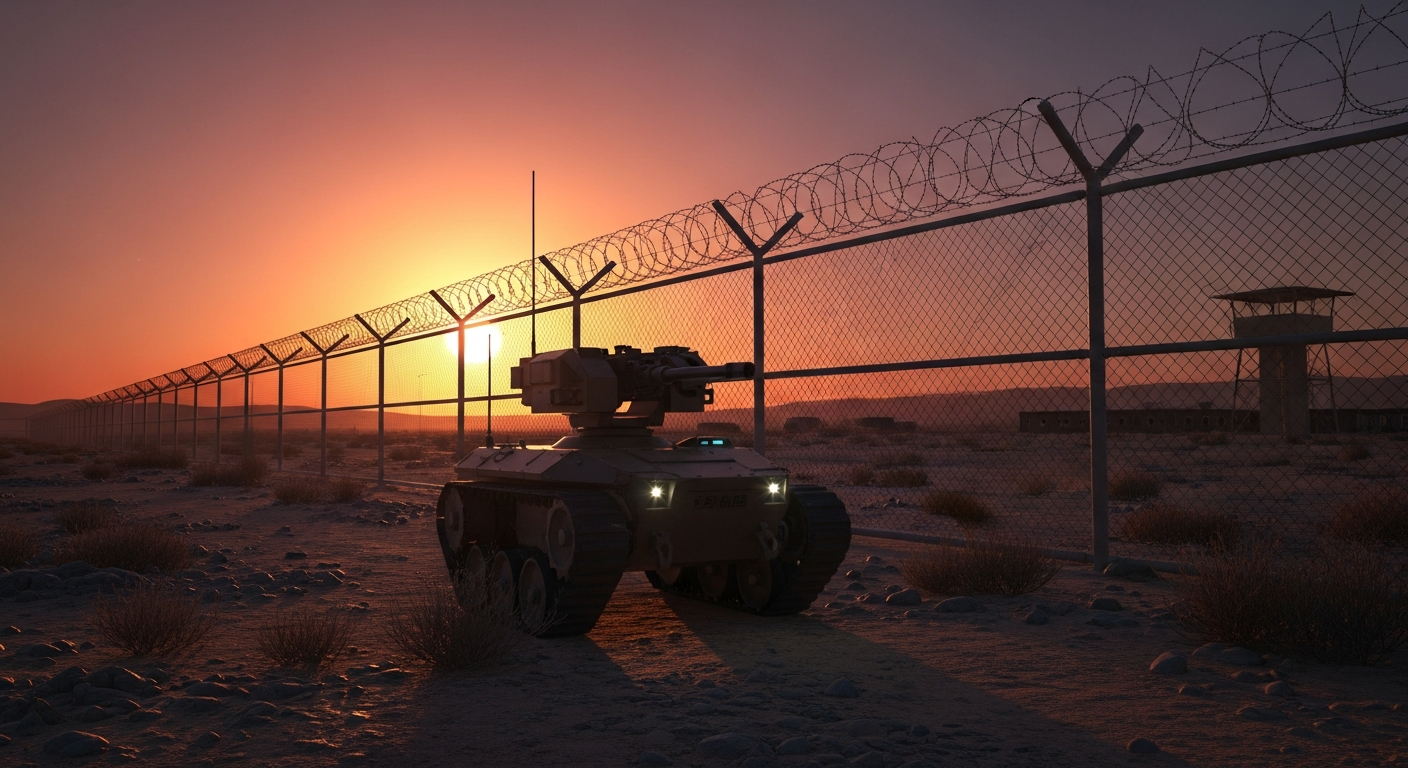
Havelsan, a prominent Turkish defense firm, has recently introduced the Barkan 3 unmanned ground vehicle (UGV), marking a significant advancement in the use of autonomous systems for military applications. The Barkan 3 is designed to operate as part of an autonomous swarm, a concept that leverages multiple unmanned systems working together to achieve complex mission objectives. This innovation aligns with the growing trend of integrating artificial intelligence (AI) into military operations, enhancing the capabilities of ground forces.
The Barkan 3 is equipped with advanced sensors and AI-driven combat management systems, allowing it to navigate challenging terrains and execute missions with minimal human intervention. This level of autonomy not only reduces the risk to personnel but also enables rapid response to threats in dynamic combat scenarios. By utilizing swarm tactics, the Barkan 3 can operate in concert with other UGVs, coordinating actions that would be difficult for human operators to manage effectively.
This shift towards autonomous swarming capabilities reflects a broader trend in modern warfare, where the integration of technology is paramount. As military forces around the world seek to modernize their operations, the ability to deploy swarms of UGVs could provide a strategic advantage. These systems can overwhelm adversaries, conduct reconnaissance missions, and perform logistical support, all while minimizing the risk to human soldiers.
Havelsan's focus on AI and swarm technology coincides with global defense initiatives aimed at enhancing military efficiency and effectiveness. As nations invest in unmanned systems, the competitive landscape will likely evolve, prompting further innovations in both drone and UGV technologies. The Barkan 3's capabilities could set a new standard for unmanned ground systems, making it a critical asset for the Turkish military and potential export partners.
The implications of such advancements extend beyond immediate military applications. The integration of AI into unmanned systems raises ethical considerations regarding autonomy in warfare, decision-making processes, and the potential for unintended consequences. As the Barkan 3 and similar systems are deployed, military leaders must navigate the complexities of using AI in combat while ensuring accountability and adherence to international law.