Naval ·
Hanwha and Magnet Defense Set to Revolutionize Unmanned Naval Systems with New MUSVs
The partnership between Hanwha Defense USA and Magnet Defense aims to create advanced maritime unmanned surface vessels (MUSVs) that could transform naval operations.
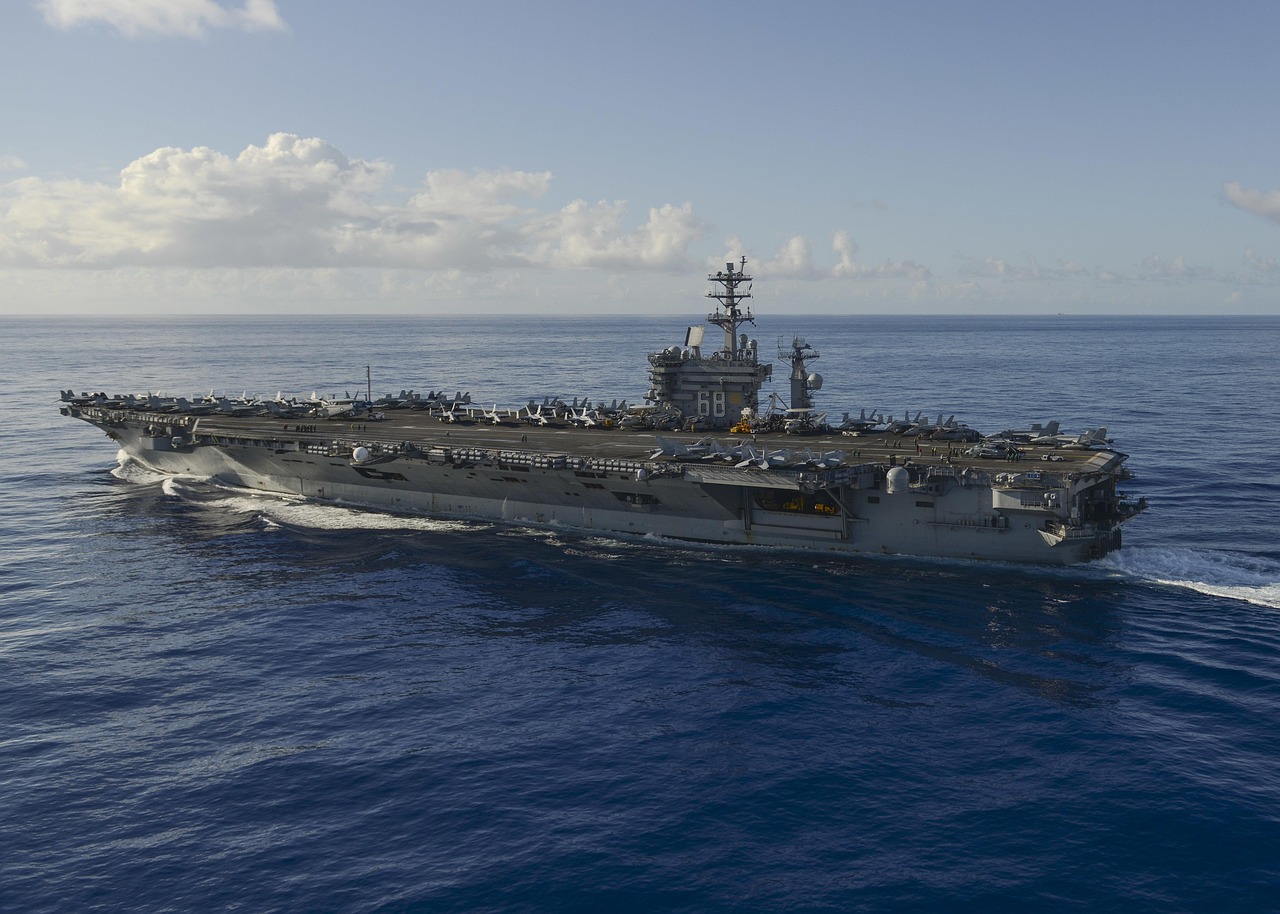
In a significant development within the unmanned maritime domain, Hanwha Defense USA has announced a partnership with Magnet Defense to design and manufacture a new class of maritime unmanned surface vessels (MUSVs). This collaboration is formalized through a Memorandum of Understanding (MOU) and marks a strategic move to enhance naval capabilities in the face of evolving maritime threats.
The proposed MUSV is a 38-meter vessel designed to operate autonomously or semi-autonomously, integrating advanced technologies that could include artificial intelligence for navigation and mission execution. Such vessels are essential for modern naval warfare, providing intelligence, surveillance, and reconnaissance (ISR) capabilities while reducing risks to human life in high-threat environments.
As global naval forces increasingly recognize the need for unmanned systems, the Hanwha-Magnet initiative could set a new benchmark in naval operations. With the pressures from various maritime disputes and the growing importance of ISR, the deployment of MUSVs offers flexible and cost-effective alternatives to traditional manned vessels. These advances could significantly enhance situational awareness and operational effectiveness in contested waters.
The collaboration also reflects a broader trend where nations are investing in unmanned systems to modernize their fleets. As countries like the United States and allies in the Asia-Pacific region expand their maritime capabilities, innovations from this partnership might provide a competitive edge in naval engagements. Future iterations of the MUSV could include modular designs that allow for various mission profiles, ranging from logistics support to combat operations.
Overall, the Hanwha and Magnet Defense partnership not only emphasizes the growing reliance on unmanned systems in naval warfare but also highlights the increasing collaboration between defense contractors to push the boundaries of maritime technology. As this project unfolds, it will be interesting to see how these MUSVs integrate into existing naval strategies and contribute to enhanced maritime security.