Air ·
Group 2 Drones: The Tactical Shift Towards Smaller UAVs
Advancements in Group 2 unmanned aerial vehicles are addressing the limitations of larger drones, emphasizing versatility and operational efficiency.
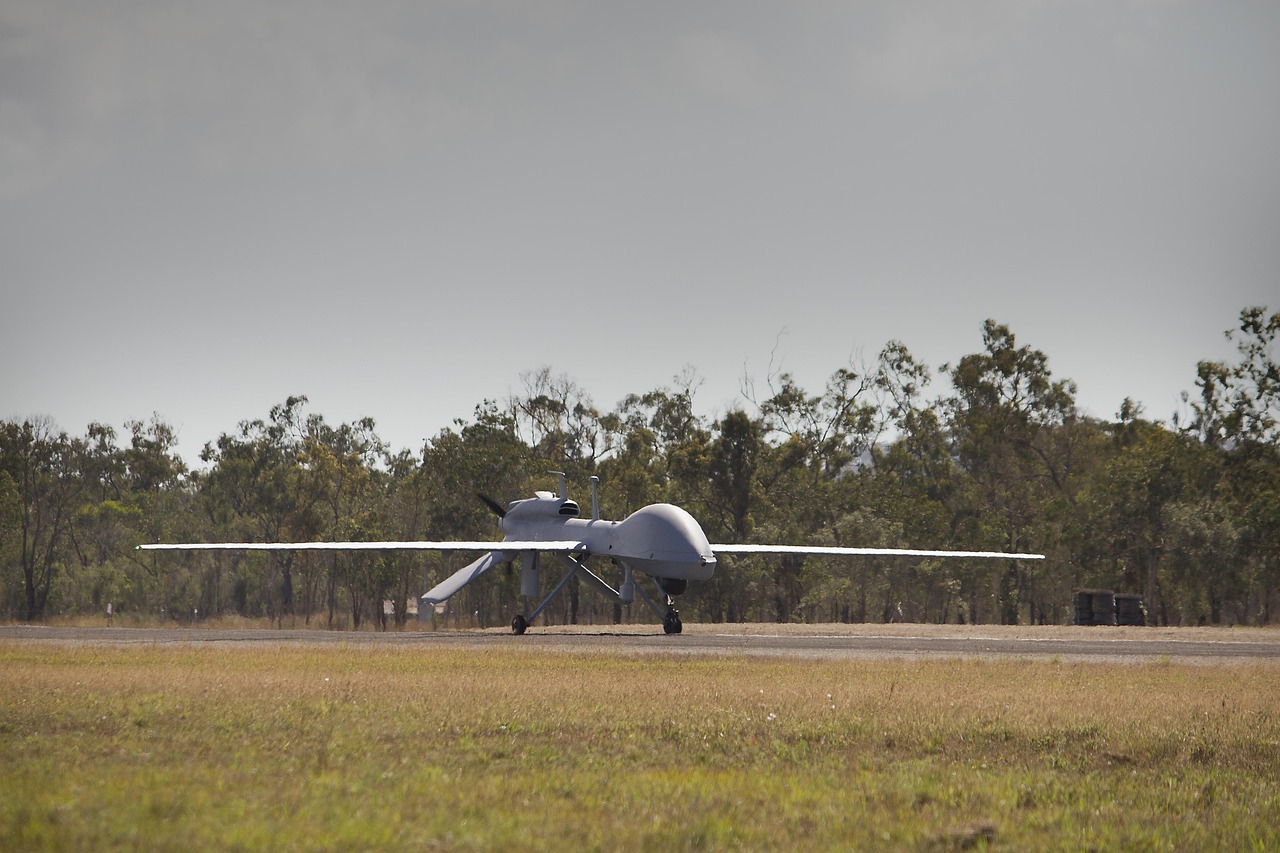
The growing demand for unmanned aerial systems has prompted a significant shift towards smaller Group 2 drones. These drones, often designed for a range of missions, are proving effective in fulfilling roles traditionally held by their larger counterparts, such as Group 3 UAVs. With enhanced capabilities, Group 2 drones are being recognized for their maneuverability, reduced operational costs, and the ability to operate in complex environments.
One of the most notable advantages of Group 2 drones is their use of fuel cells instead of conventional batteries. This technological advancement allows for longer flight times and greater payload capacities while simultaneously reducing maintenance challenges. As military operations evolve and become more dynamic, the need for adaptable solutions has never been more crucial, making these smaller UAVs a vital component of modern air strategies.
As various military branches explore these advanced systems, the versatility of Group 2 drones is becoming increasingly evident. Their ability to perform reconnaissance, surveillance, and even strike missions enables a wide range of applications in combat and support roles. Additionally, their smaller size allows for easier transportation and deployment, making them ideal for rapidly changing operational scenarios.
With ongoing developments in drone technology, the future of Group 2 UAVs looks promising. Manufacturers are continuously innovating, focusing on integrating advanced sensors and artificial intelligence to enhance operational effectiveness. As military forces worldwide invest in these smaller drones, they are likely to play a significant role in upcoming conflicts, shaping the future of aerial combat and reconnaissance.