Land ·
Germany's Rheinmetall Expands Focus on Defense Amid Global Tensions
Rheinmetall anticipates a significant increase in defense orders, emphasizing the role of unmanned systems in modern warfare.
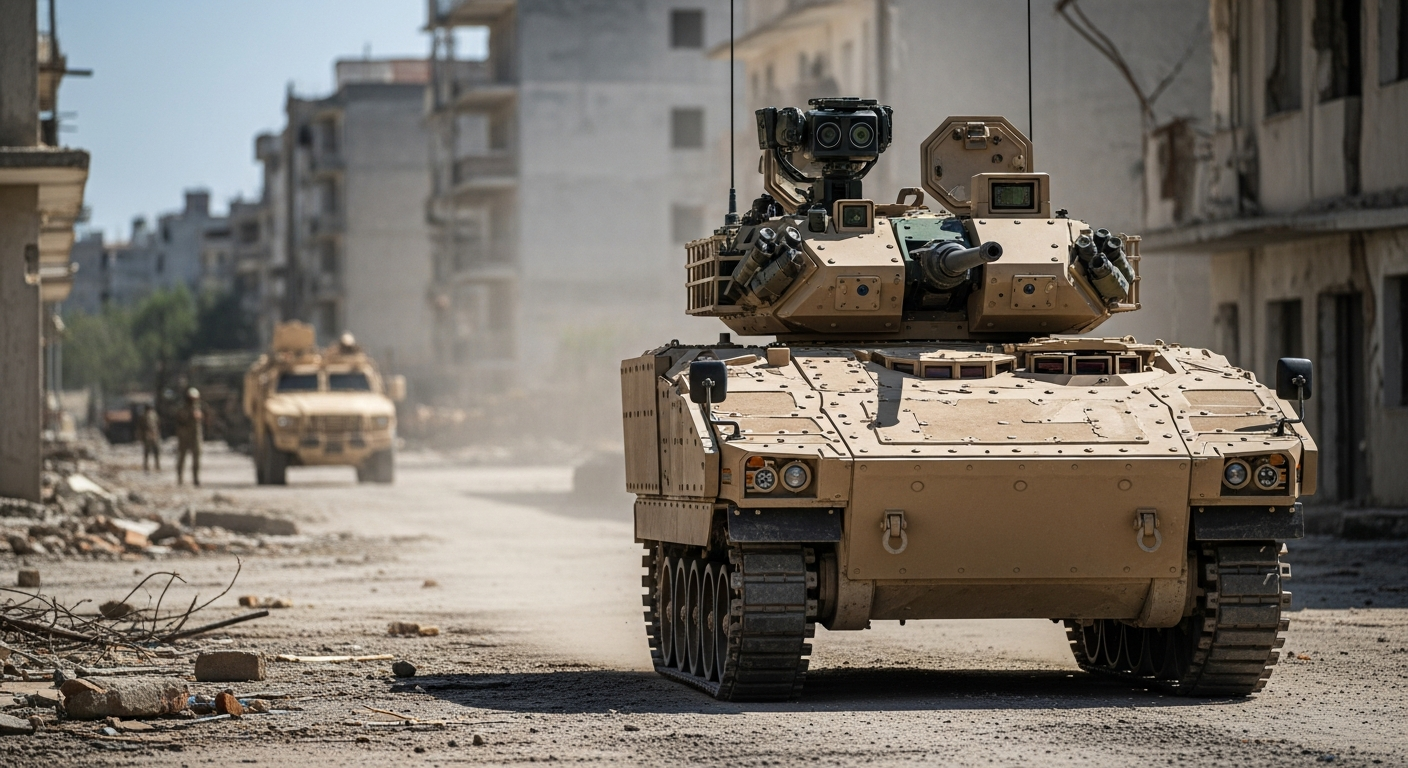
As global security concerns escalate, Germany's Rheinmetall is predicting a substantial boom in defense orders, projecting an annual increase of $16.8 billion. This forecast reflects the company's strategic pivot towards enhancing its defense capabilities, including the development of unmanned systems that are becoming increasingly central to modern military operations.
Rheinmetall's commitment to focusing entirely on defense underscores the shifting landscape of international relations, where technological advancements in unmanned systems are reshaping warfare. The company has already made significant strides in integrating drones and robotic systems into its military offerings, recognizing their potential to enhance operational effectiveness and reduce risks to personnel.
The anticipated growth in defense orders presents Rheinmetall with an opportunity to further invest in research and development of advanced unmanned technologies. With nations around the world prioritizing drone and robotic capabilities, Rheinmetall's positioning in this market could yield substantial returns and strengthen its competitive edge.
Moreover, as the geopolitical climate continues to evolve, the demand for innovative defense solutions, particularly those involving unmanned systems, is expected to rise. Rheinmetall's strategy to focus on developing and producing these technologies aligns with the broader trend of militaries seeking to modernize and adapt to new forms of conflict, where unmanned systems play a critical role.
In summary, Rheinmetall's emphasis on defense and its commitment to integrating unmanned systems into its portfolio signify a proactive approach to addressing emerging security challenges. As the global military landscape transforms, companies like Rheinmetall are likely to be at the forefront of innovation, ensuring that they remain competitive in an increasingly complex defense market.